Why the topic is important
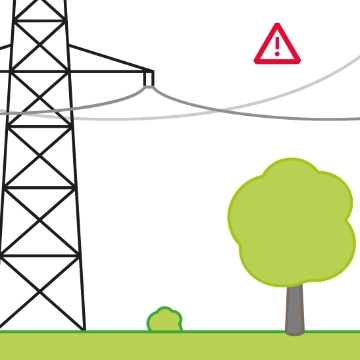
The current grid infrastructure is increasingly reaching its limits. Comprehensive modernisation and expansion are needed. More and more decentralised feed-ins of electricity – for example from photovoltaic plants, battery storage systems or local energy communities – are changing the load flows in the grid and resulting in a huge increase in technical complexity. These dynamic structures can no longer be recorded or controlled with sufficient precision using conventional planning, documentation and construction processes. This means that BIM is not just a technical innovation, but a strategic necessity for the future of the Swiss electricity grid.
Project
Challenge
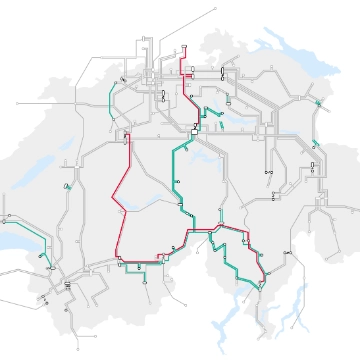
The modernisation of the Swiss extra-high-voltage grid requires a huge increase in investment rates and the simultaneous implementation of many major projects. This growing intensity is reaching the limits of traditional planning and construction processes: the more complex the projects, the greater the risk of delays and high costs.
Solution
BIM creates the necessary efficiency and transparency for the strategic grid of the future thanks to end-to-end digital project management – from initial planning to construction and long-term maintenance. Transformation is an interdisciplinary task that involves coordinating multiple stakeholders and various regulatory requirements. BIM integrates this data and forms a sound basis for complex decisions. At the same time, this digital approach addresses the shortage of skilled labour: automation and standardisation reduce the need for manual processes, while modern technologies on the construction site increase the attractiveness of the industry for talented young people. In this way, BIM not only guarantees technological project implementation, but also ensures that there will be enough human resources available for Switzerland’s grid infrastructure in the future.
Areas of application and benefits
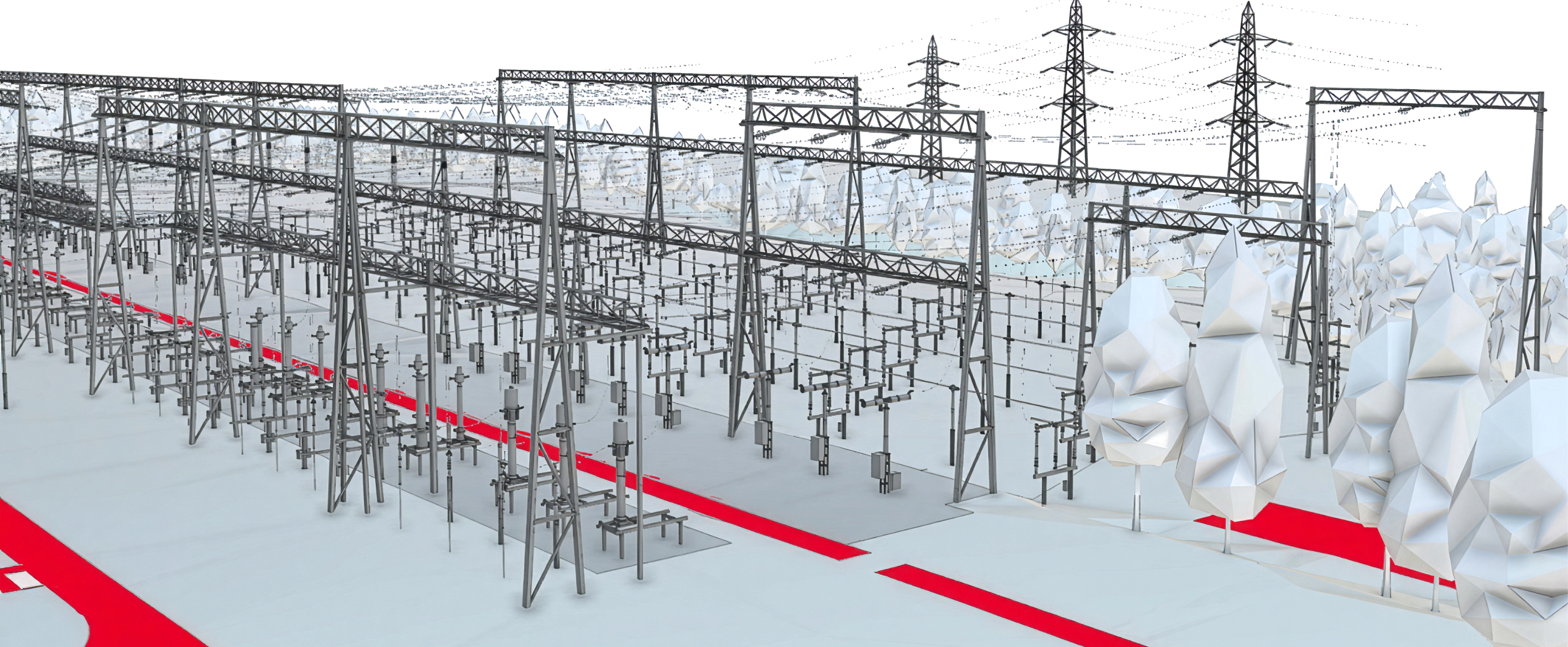
With BIM as a digital working method, specialists can manage complex grid projects efficiently. Congestion can be identified at an early stage and optimum use made of resources, for example. BIM also provides support with precise as-built models and allows documentation over the entire life cycle – whether to record the current condition of systems or to plan repair work.
The diversity of BIM application fields
Over 35 specific use cases generate measurable added value for Swissgrid systems, including:
- Centralised collaboration: as a «single source of truth», a web-based platform brings together all project data, models and documents and allows seamless collaboration between all stakeholders.
- Digital planning and simulation: thanks to measures ranging from precise 3D object recording to the simulation of complex construction processes, risks are identified at an early stage and planning errors are minimised.
- Efficient construction site management: tasks and pending issues are managed directly in the digital model, resulting in huge gains in terms of quality and security on site.
- Sustainable management: digital twins provide a data base for predictive maintenance and for integrating environmental and CO₂ factors into planning processes.
- Optimised project lead times: the high level of transparency speeds up decision-making, reduces overall costs and increases the efficiency of grid expansion.
Current project status/outlook
BIM has been the mandatory standard for new substation grid construction projects since January 2025.