
Electricity can’t be stored in the grid, so the volume of electricity produced must always correspond to the volume consumed in order to keep the system balanced. Swissgrid is responsible for maintaining this balance in Switzerland, thereby guaranteeing safe and stable grid operation at a constant frequency of 50 hertz (Hz). If there is an imbalance in the electricity grid, Swissgrid uses control energy or control power from the Swiss balancing market. To make this market more liquid, Swissgrid is reforming it by increasing competition and including a greater number of participants. These measures have already borne fruit, as Swissgrid has seen a reduction in the volume of control energy activated and in the costs for consumers. However, the only way to ensure the secure operation of the grid in the long term is with an electricity agreement that gives Switzerland access to European balancing platforms.
Here are the eight key points to remember about the Swiss secondary and tertiary control reserve market:
1. Only on the Swiss market
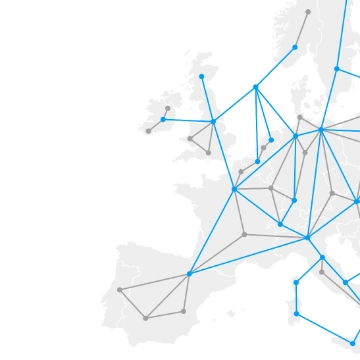
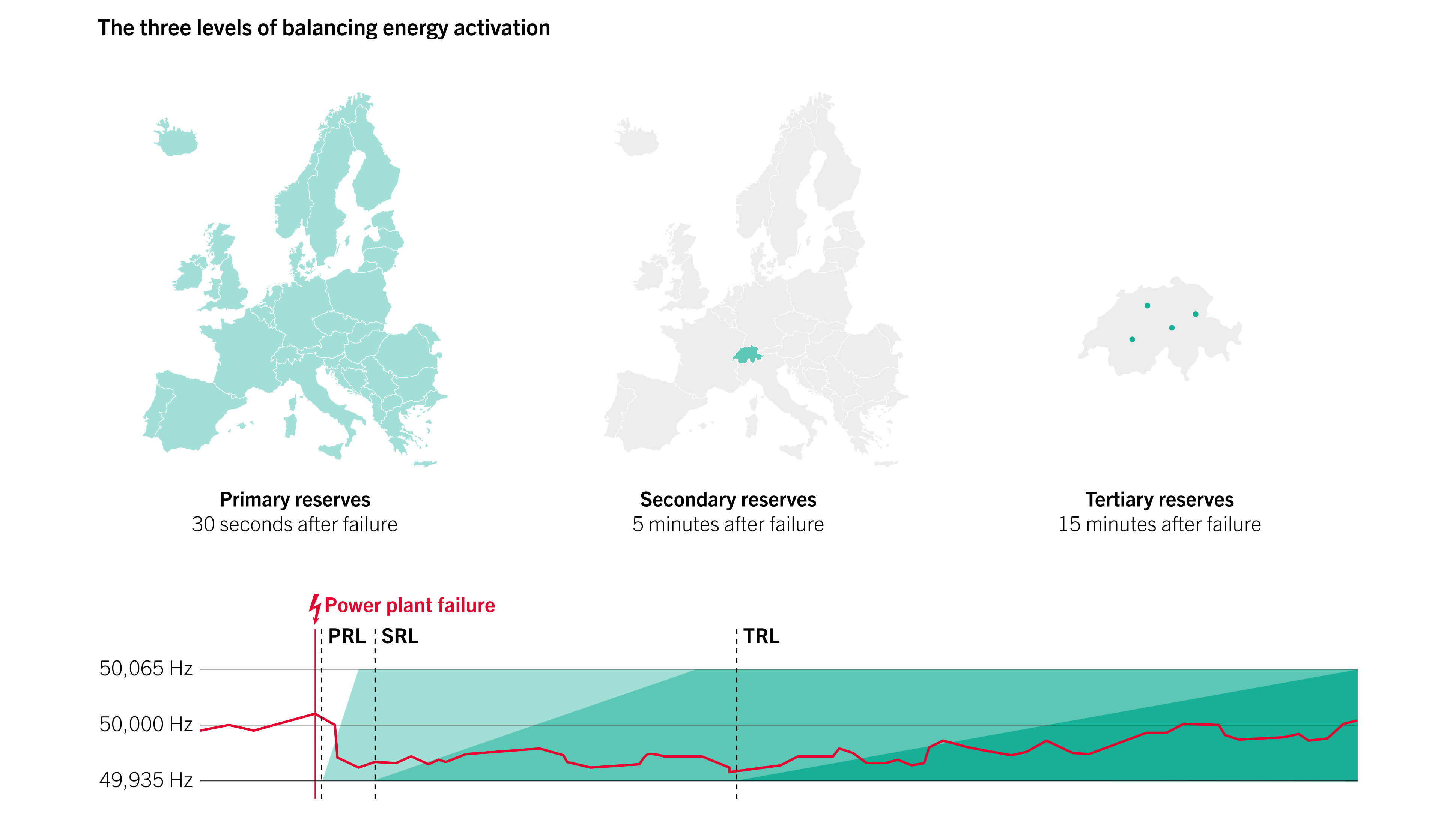
Swissgrid has to procure secondary and tertiary control reserves on the Swiss market, where they are currently mainly supplied by the country’s large hydroelectric power stations. An electricity agreement with the EU would enable Swissgrid to take advantage of the European balancing market, which is much more diversified in terms of technology and therefore more liquid than the Swiss market. This would strengthen the stable operation of the Swiss transmission grid and considerably reduce the cost of procuring control energy.
2. A fast-changing Swiss market
The reform of the Swiss balancing market began in 2009. Costs were initially very high. Swissgrid has been committed to reducing control energy costs for more than ten years. The transition from an old index-based market model to a new auction-based market design has led to disruptions that affect the normal functioning of the market. Swissgrid is therefore continuing to develop the market in close collaboration with the relevant parties in order to maximise the attractiveness of the Swiss balancing market.
3. An old system for old times
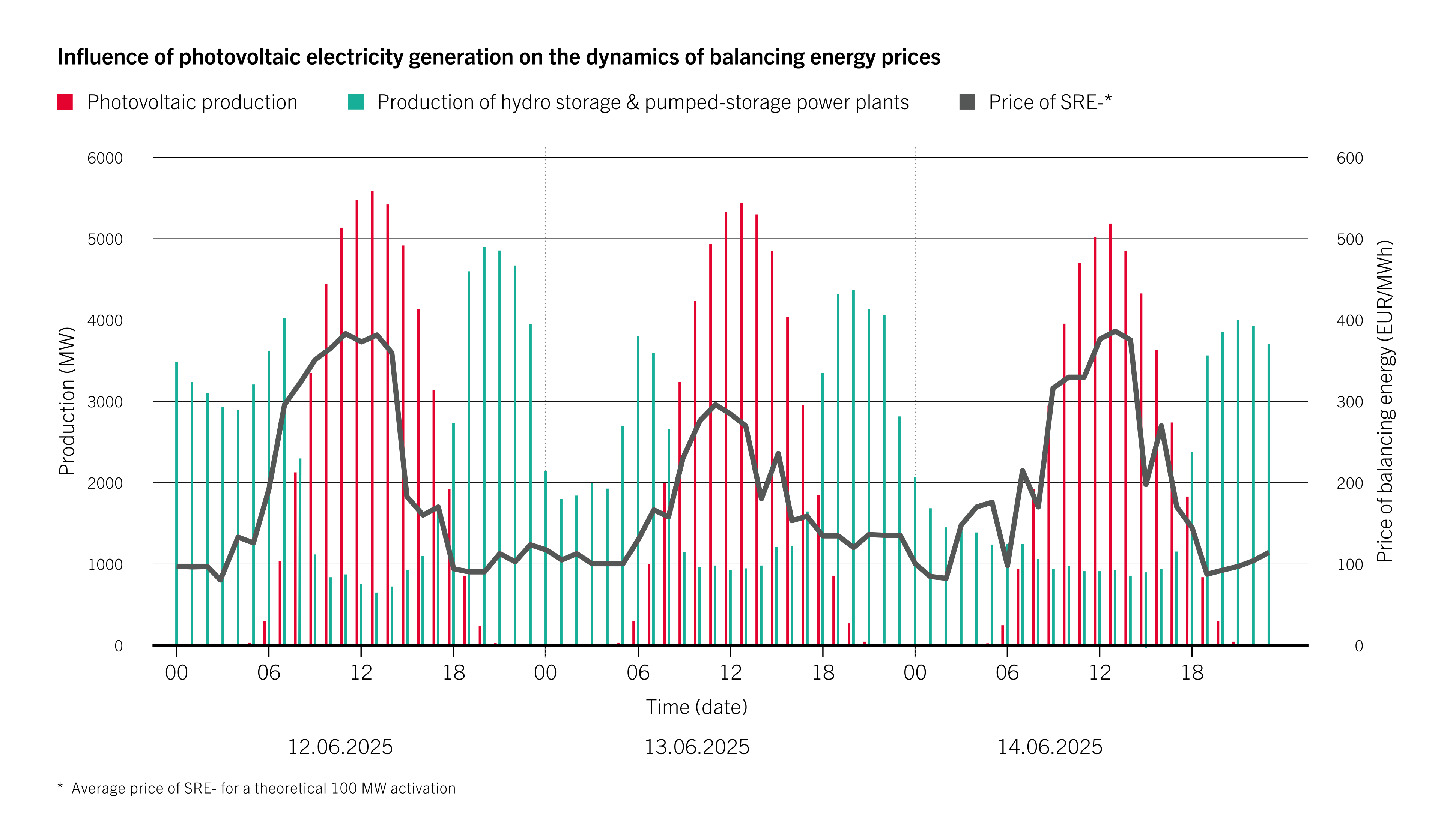
The previous Swiss model was based on a relatively stable but inflexible architecture, designed for an electricity system dominated by large hydroelectric and nuclear power plants with low production volatility. As a result of the energy transition, the sharp increase in photovoltaic production has introduced significant volatility between forecasts and actual production, which has increased the need for control energy. In addition, more flexible and decentralised production is encouraged under the revised Electricity Supply Act (ESA), with regulations enabling electricity producers, consumers and storage systems to make the most of their flexibility. These changes have a direct impact on the design and operation of the Swiss balancing market. Thanks to the new market design, Swissgrid has opened up the Swiss balancing market to new players and new technologies such as batteries, heat pumping technology, electromobility and decentralised resources. What is more, the new auction-based market design has made it possible to hold free auctions. This option did not exist until now. Consequently, Swissgrid is creating a more liquid market and reducing the cost of procuring control power thanks to increased competition.
4. The «polluter pays» principle
The balancing market is based on a fundamental principle: the parties who cause imbalances in the electricity system must bear the costs. This mechanism, which is fully consistent with the «polluter pays» principle, applies to players who cause imbalances in the grid.
This means that it is the balance groups that have to pay for the control energy when a discrepancy between their production/consumption and their contractual schedule leads to an imbalance in the grid. As the number of photovoltaic plants rises, production forecasts are a major challenge for the balance groups. In the past, this expansion has sometimes meant that Swissgrid has had to deploy large volumes of control energy because the balance group forecasts proved inaccurate. Prices rise naturally in this type of situation, as strong demand in a very short space of time pushes up prices.
5. A more stable market since 2025
Swissgrid has noted a decline in the total volume of secondary control energy activated. A comparison of the first ten months of 2024 with the same period in 2025 shows a 22% drop in activations of secondary control energy. Last year, the electricity sector, in association with Swissgrid, made great progress in this area, reducing the demand for control energy. The improvement in solar electricity production forecasts is one of the key measures responsible for this decrease. The more accurate the balance group forecasts, the less control energy is used. The drop in activations is also due to a new AI solution for control energy deployment implemented by Swissgrid in 2025.
6. Encouraging stakeholders to help stabilise the grid
Until the end of 2025, Swissgrid billed control energy according to a two-price system. Under this system, balance groups with an imbalance were also penalised if their imbalance reduced Switzerland’s overall imbalance. In close collaboration with the industry, Swissgrid introduced a single price mechanism for control energy on 1 January 2026. The new mechanism encourages balance groups to make an active contribution to balancing the Swiss control area before any control energy has to be activated. This reduces costs, as less control energy needs to be activated. Until now, the main incentive for balance groups was merely to balance out their own imbalances.
7. Swissgrid’s role
Swissgrid has a mandate to ensure the stable operation of the transmission system and to shape the Swiss balancing market in a reliable, efficient and non-discriminatory way. By modifying the rules for accessing the Swiss balancing market, Swissgrid is creating a more liquid market and reducing the cost of procuring control energy thanks to increased competition. However, Swissgrid is not responsible for the prices offered on the market: they are set by the market participants.
8. Balancing Roadmap: market development continues
At the beginning of February 2026, Swissgrid published its new Balancing Roadmap, which describes the expected developments between now and 2030 for the various balancing markets and other factors influencing frequency control. In the coming years, Swissgrid will focus on the following areas:
- Facilitating access to balancing markets for new technologies and market participants, while guaranteeing non-discriminatory market conditions
- Enabling seamless integration into European frequency control processes once the necessary regulatory requirements are in place
- Reducing the demand for control energy by strengthening the day-ahead and intraday markets and enabling balance groups to actively support system balancing
- Taking advantage of the opportunities offered by digitalisation and new decision-making tools
Author