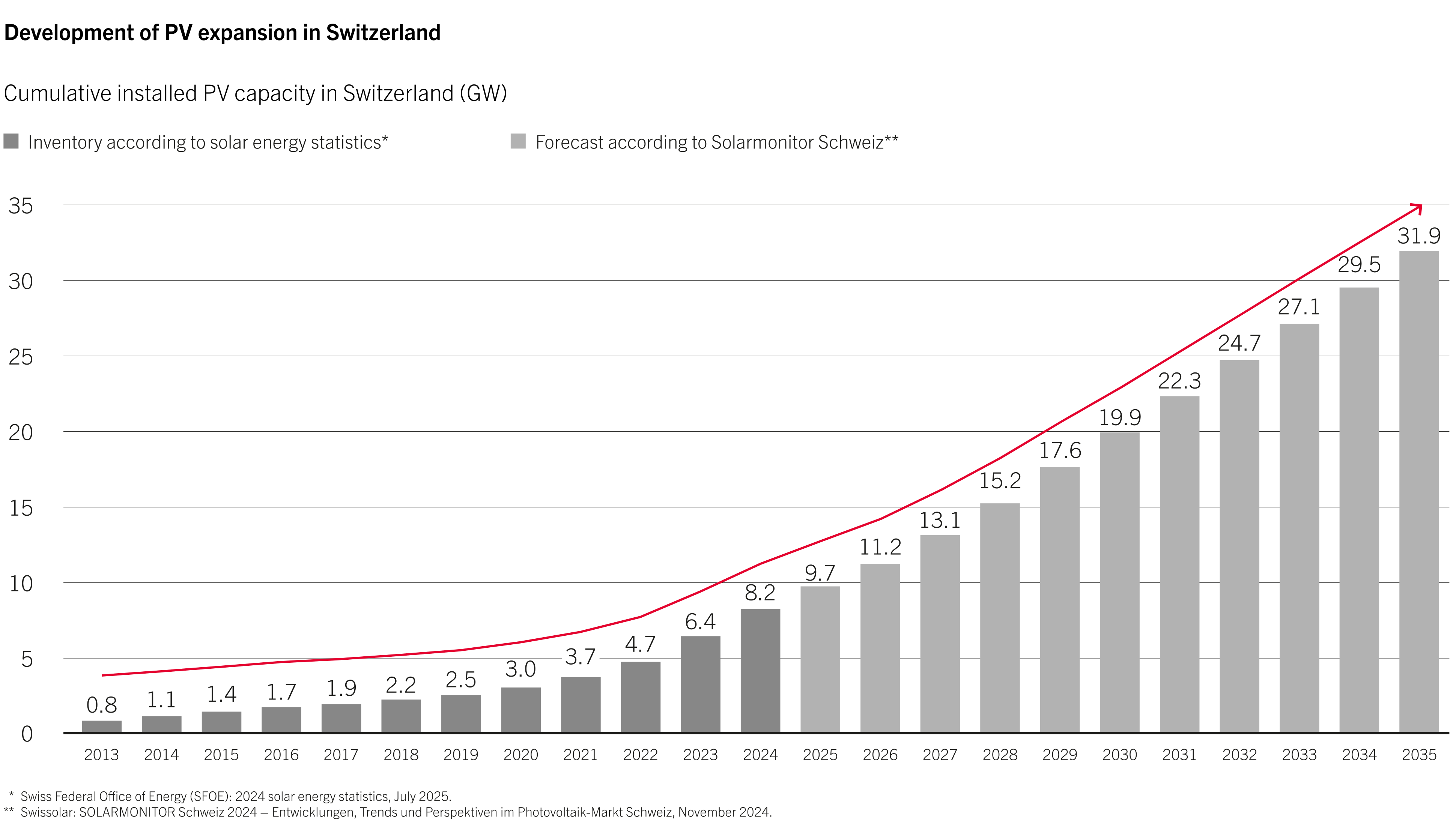
Today, one in every eight kilowatt-hours of electricity generated in Switzerland already comes from photovoltaics (PV). And photovoltaic energy plays a key role in the implementation of the Energy Strategy 2050. In specific terms, this means that 40 gigawatts of installed photovoltaic capacity needs to be integrated into the Swiss electricity grid by 2050. This is not possible with the current framework conditions. In association with industry experts, Swissgrid explains how integration can be achieved.
The white paper was produced by a group of PV experts led by Swissgrid. The expert group comprises selected specialists from the Swiss energy sector who have extensive experience in the integration of photovoltaic plants from various perspectives.
The «System-Compatible Integration of Photovoltaics» white paper (de/fr) is intended to serve as a catalyst and a basis for discussion on the expansion and integration of PV in Switzerland for all the players involved. It pinpoints the fundamental changes that are needed: changes to requirements for photovoltaic plants, more market signals and streamlined processes.
An overview of (selected) measures
The following six measures – together with the detailed recommendations for action set out in the white paper – are intended to encourage the relevant players, whether they are system owners, policymakers or public authorities, to safely drive forward the expansion and integration of PV into the overall system.
- Secure system operation: rethinking system stability
If large power stations and their rotating mass are removed, the grid will become less stable. Yet frequency and voltage maintenance must still be guaranteed at all times in the future. New technologies and decentralised systems can play a part in this. To make this possible, appropriate framework conditions (such as minimum requirements and standard settings) must be established for these systems.
In addition, standardised guidelines are needed (including effective implementation) for photovoltaic plants to govern their behaviour in the event of communication faults or grid outages and in relation to cybersecurity. - Reduced grid connection: realistic sizing of the installed load
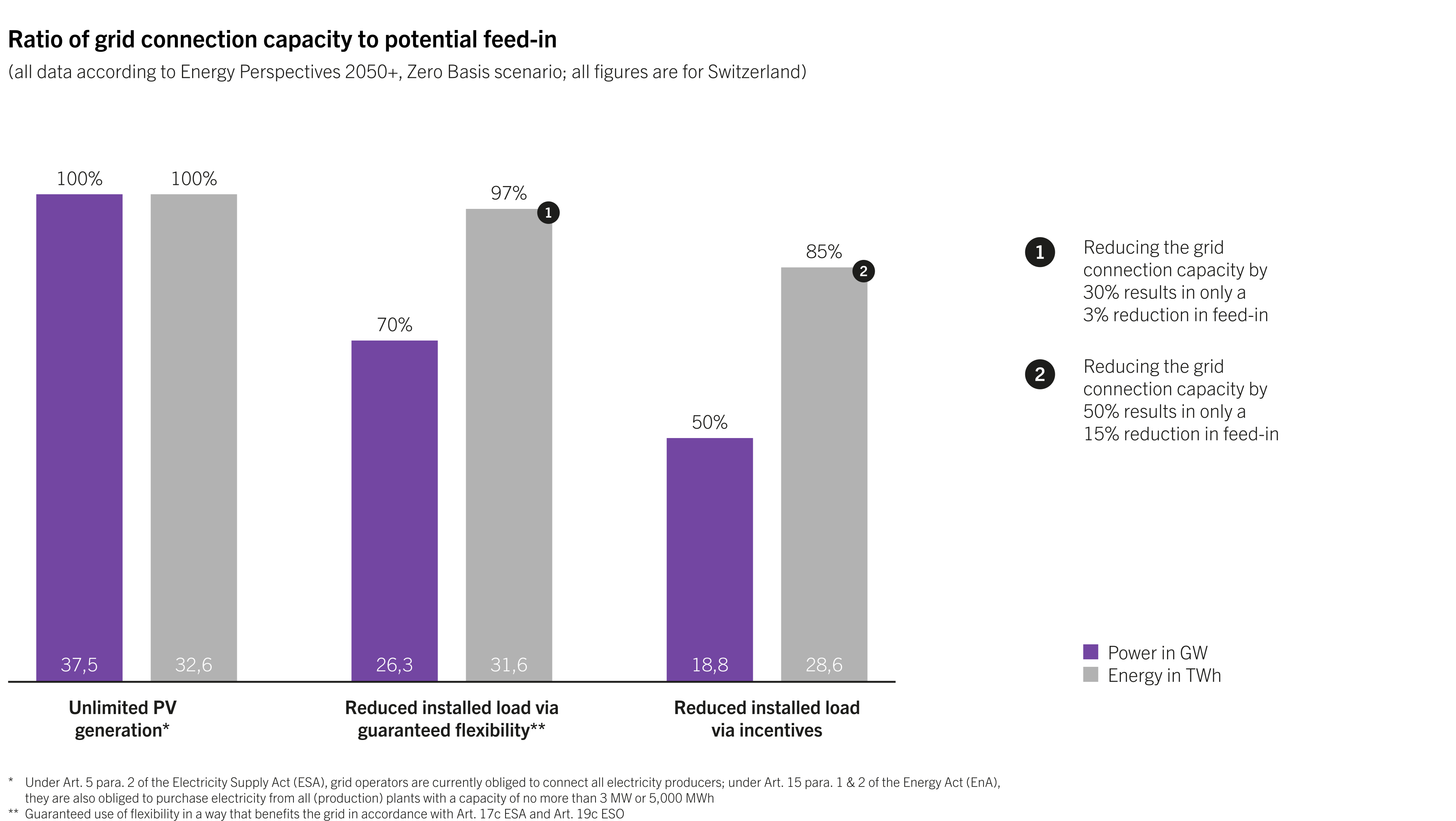
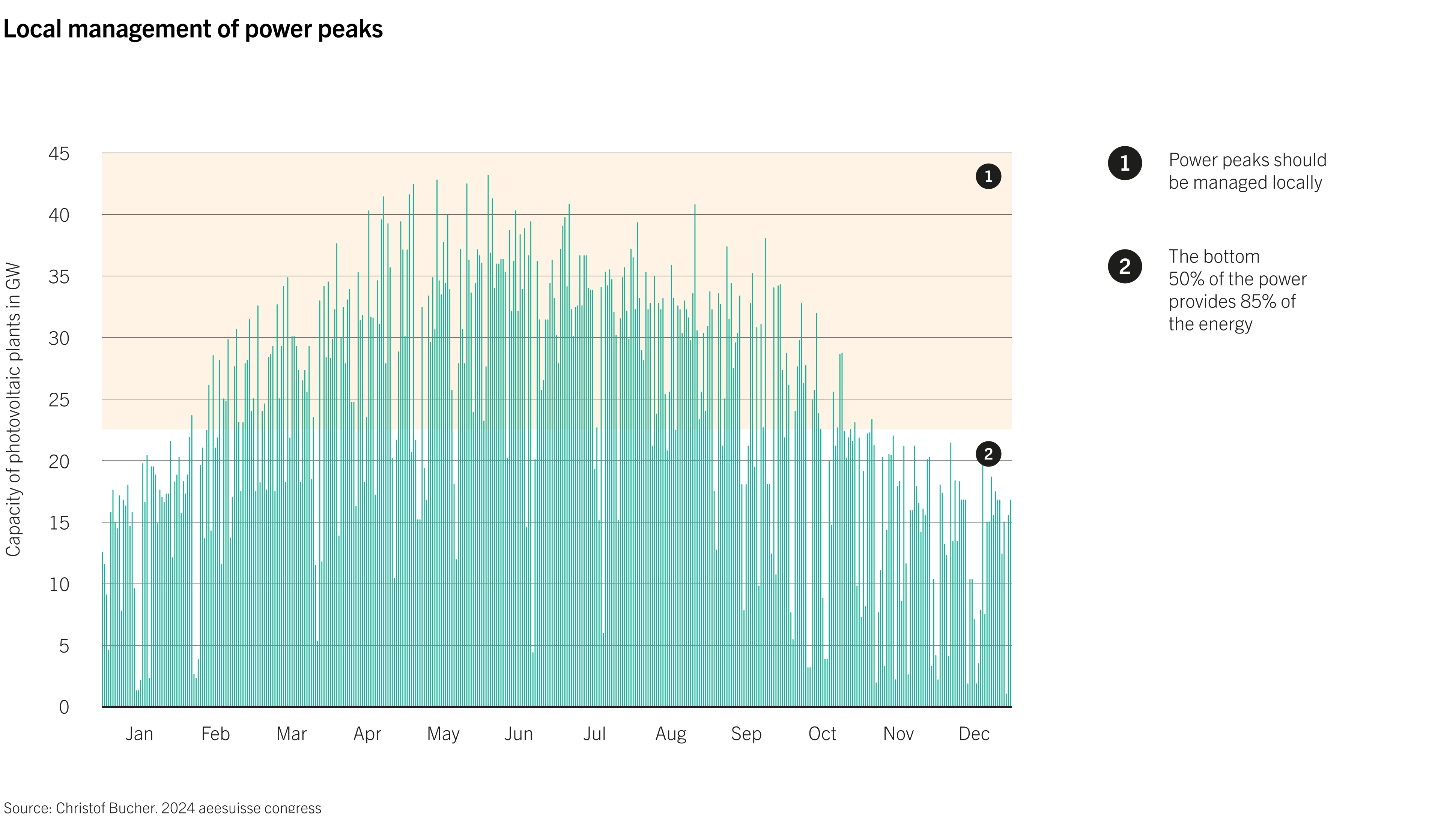
A grid designed to handle 100 percent of the installed PV capacity would be massively oversized – and far too expensive. Even if the grid connection capacity were halved, only around 15 percent of the solar power generated over the year would not be fed into the grid. Proposed measure: a specific limit on the installed load (own consumption would remain possible) rather than maximum feed-in.
- Feed-in follows market signals: flexibility is becoming essential
All photovoltaic plant operators should use or sell the electricity they generate in a way that makes it profitable on the market – in other words, in line with supply and demand. If the electricity price is negative, there should be no financial incentive to feed electricity into the grid.
Instead of there being an obligation for the local energy supplier to purchase solar power, as is currently the case, in the future, the system operator will be required to appoint a service provider (marketer) to sell the electricity on the market in the most effective way. - Focussing on capacity rather than maximising annual yield: winter expansion
Although Switzerland already generates sufficient electricity at certain times of the day (particularly in the summer), no structural surplus in production is foreseeable in the winter, even in the long term. If solar energy is to make a significant contribution to the energy supply during the colder months of the year as well, considerably higher installed capacity is needed, with a focus on winter production. The fact that not every kilowatt-hour (kWh) of solar power generated is always needed must be taken into account. - Only flexible systems are future-proof: the key to cost-effectiveness
When large numbers of solar plants feed electricity into the grid at the same time – particularly at midday in the summer – market prices often decrease sharply or even fall into negative territory. In other words, electricity producers receive little or no money for feeding electricity into the grid. For a photovoltaic plant to remain cost-effective, it must be able to respond flexibly to price fluctuations and grid conditions thanks to storage systems, flexible consumption and smart energy and power management. In the future, selling this flexibility could become a significant source of revenue for the photovoltaics sector. - Coordination and data interchange: crucial factors for flexible deployment
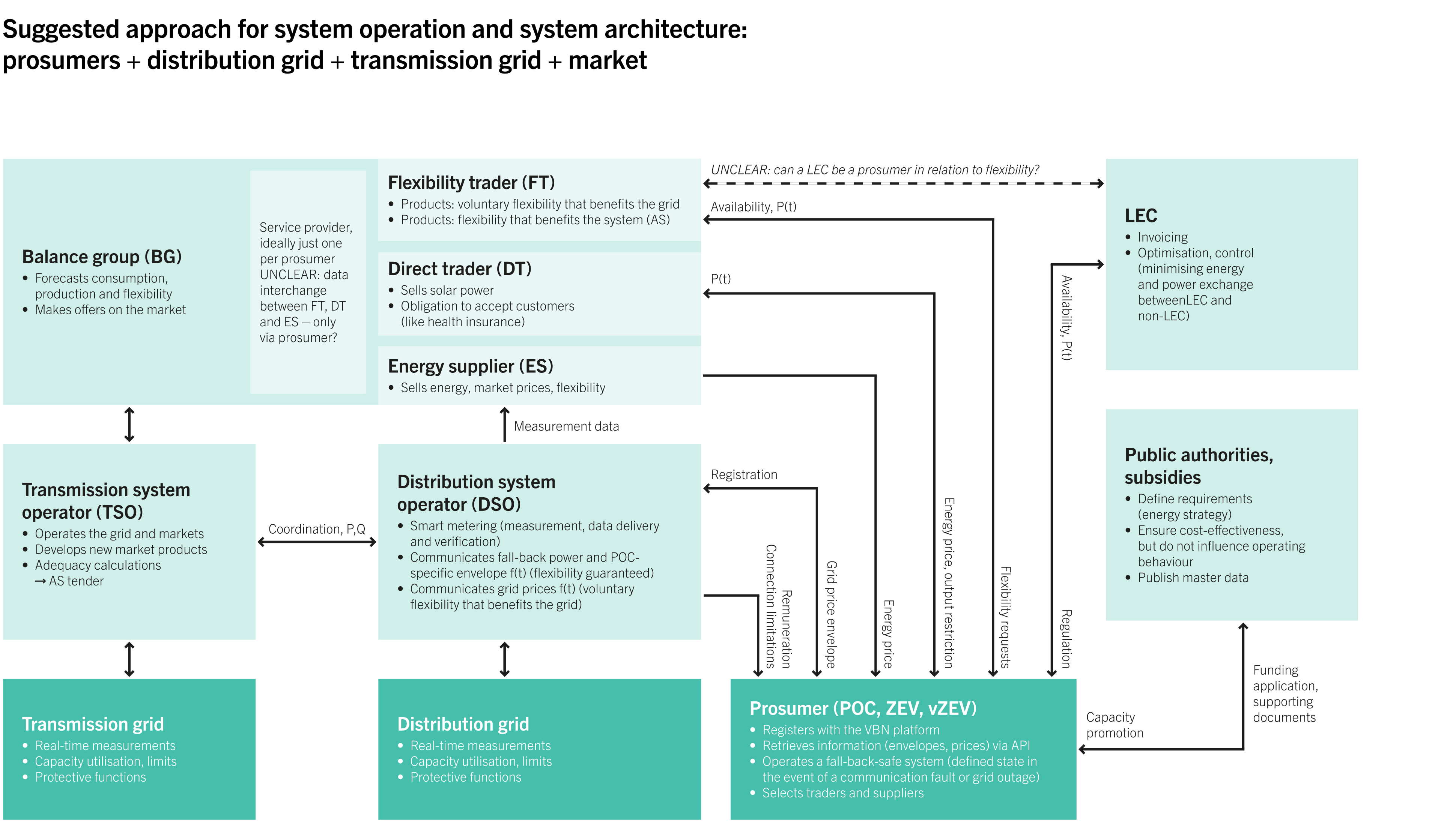
As more and more solar plants, storage systems and flexible devices are connected to the grid, it must be clear how their flexibility is to be utilised. This requires a seamless process and secure data interchange between all the parties involved. A central flexibility platform with a coordination mechanism appears to be the best implementation option. The «TSO-DSO Coordination» pilot project is testing how local flexibility coordination of this kind could be put into practice.
Security of supply can only be achieved by working together
The successful implementation of the energy transition and the integration of photovoltaics requires a wide range of measures and the active involvement of all the relevant players. Taking coordinated action throughout the entire process – by setting requirements for plants and introducing appropriate conditions for operation, marketing and data interchange – is the only way in which the PV capacity desired by policymakers can be successfully and securely integrated into the overall system.
Swissgrid – no photovoltaic plants connected to the grid, yet still involved
Even though no photovoltaic (PV) plants are connected directly to the transmission grid in Switzerland, the rapidly growing feed-in from photovoltaic plants affects the electricity system in many ways. To ensure that Swissgrid can continue to guarantee the secure and reliable operation of the transmission grid at all times in the future, it is vital for PV expansion in Switzerland (regardless of the grid level) to be carried out in a grid-friendly way that supports the system. Swissgrid is committed to the secure integration of PV in order to facilitate the implementation of the energy strategy on the grid side, to minimise the costs of grid expansion and to ensure long-term system stability.
Author