
In the past, electricity was mainly generated in large power plants, and electricity flows were easy to predict.
The situation is very different today. More and more solar and wind plants are feeding electricity into the grid. Batteries, electric cars, heat pumping technology and large data centres are also being integrated into the system. Electricity is being generated in a more decentralised way and is being used more flexibly – and the energy system is changing faster than ever before.
This is a positive development for achieving a successful energy transition, but it is also making the electricity system more complex.
The transmission grid is a bit like the road network: in the past, this network consisted of just a few main roads with a steady flow of traffic in one direction. Today, it also comprises major motorways and large numbers of smaller roads, as well as junctions and new road users. To ensure that traffic flows smoothly, it is important to monitor the flow of vehicles more carefully – rather than only reacting after congestion has already built up.
New challenges that can’t be seen
A recent report by ENTSO-E («Instability Detection Technologies in Power Electronics Dominated Systems»), the Association of European Transmission System Operators, describes the current situation very accurately. It reveals that modern grids are prone to new forms of instability that arise more rapidly and are less obvious than in the past.
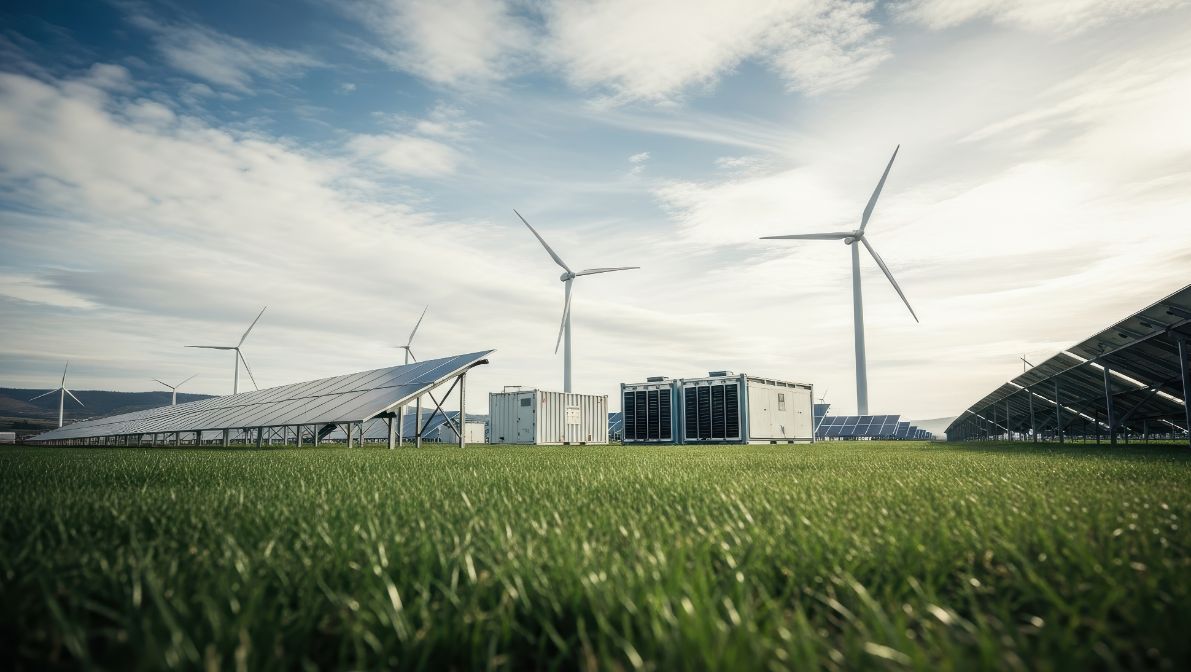
Nowadays, there are more and more systems connected to the grid that respond automatically and very quickly. Examples include wind and solar plants, as well as increasing numbers of large and small battery storage systems. This is generally a good thing. The problem arises when lots of these systems react in a similar way at the same time. The situation can rapidly escalate as the effects accumulate. Instead of stabilising the system, quite the opposite occurs – and can culminate in unwanted instability in the grid.
Other factors include the use of long cable connections (Blog: «When physics sets limits for technology») and grids with low short-circuit power, which make the entire system more vulnerable.

The surprising thing is that these changes are barely noticeable to grid users. They do not produce an immediate power failure, but simply cause subtle instability in the system. If this is detected too late, it can worsen and ultimately result in an outage.
That is why it is not just a matter of resolving disturbances, but of detecting them at an early stage, before they have any impact at all.
The Swiss transmission grid: reliable, but under pressure
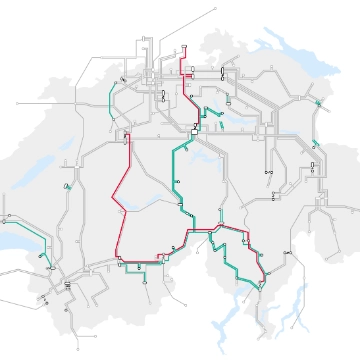
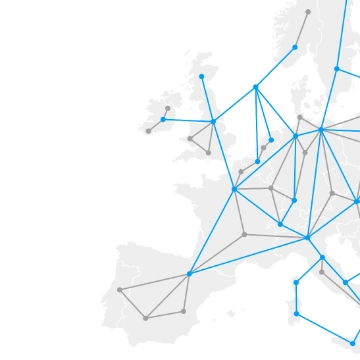
Swissgrid is on duty around the clock to ensure that the transmission grid remains stable at all times. The Swiss transmission grid is one of the most reliable in Europe. Switzerland is also closely linked to the European electricity grid. Electricity flows across national borders every day in line with supply and demand.
In addition, there are various specific challenges to overcome: fluctuating solar generation, a high proportion of hydropower, rising electricity requirements and grid operations in a challenging geographical environment. All of this requires a very precise understanding of what is happening in the grid – at all times.
Swissgrid’s response
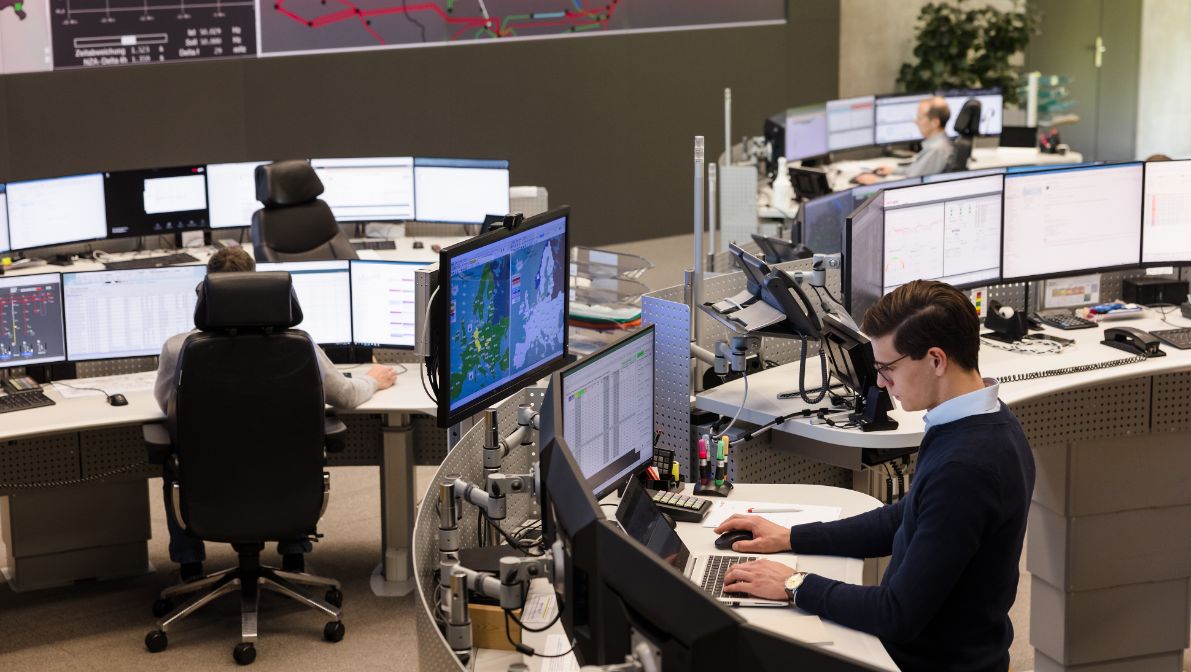
Swissgrid has been working hard for years not only to expand the transmission grid, but also to understand it and monitor it more effectively. Modern measurement systems, digital grid models and new analytical methods help Swissgrid to identify changes in the grid at an early stage. The Wide Area Monitoring System (WAMS), which provides time-synchronised measurements from various parts of Europe ten times per second, is just one example.
At the same time, Swissgrid is actively conducting dynamic grid studies to identify potential risks associated with new facilities and grid expansion projects as early as possible, to pinpoint the causes of phenomena observed locally, and to evaluate preventive or mitigating measures using advanced grid analysis tools, thereby ensuring continued system stability.
The aim is to create a kind of early warning system so that Swissgrid does not simply react when something goes wrong, but can detect when something is about to happen – and take action in good time.
The ENTSO‑E report «Instability Detection Technologies in Power Electronics Dominated Systems» confirms the validity of this approach. It illustrates the importance of these technologies for ensuring a stable electricity system in the future and shows that transmission system operators across Europe are all working on the same issues.
Swissgrid intends to actively support the current changes: with foresight, innovation and a clear focus on security of supply. so that electricity continues to reach us reliably wherever we need it – day after day.
Links
ENTSO-E report: «Instability Detection Technologies in Power Electronics Dominated Systems»
Author