
Swissgrid is pursuing the reform of the Swiss control energy market initiated in 2022. The transformation of the energy system has changed the energy mix in Switzerland and poses challenges for the operation of the transmission grid. Weather-dependent generation, particularly from photovoltaic plants, leads to deviations between the schedules of the balance groups and actual production in real time. In order to keep the costs for electricity consumers as low as possible, Swissgrid is continuing to develop the control energy market and facilitating access for new players and technologies. In addition, a new pricing mechanism has been in place since 1 January 2026 to reduce control energy deployment. Until these measures start to have an effect, control energy market players will continue to apply the price cap recommended by the Federal Electricity Commission (ElCom).
Electricity generation and consumption must be permanently balanced in the grid so that the frequency remains stable at 50 Hertz. In the event of unforeseen oscillations, Swissgrid has to use control energy, which it procures on the Swiss control energy market. The costs for control energy are borne by all electricity consumers. In order to keep costs low, Swissgrid has two objectives: to attract more bidders to the control energy market and to minimise the volume of control energy required.
The transformation of the energy system
Our country’s energy mix has changed a great deal in a short space of time due to the federal government’s energy strategy. The production of renewable energies is increasing rapidly and continuously. The arrival of new technologies such as solar plants, battery storage systems and electromobility represents an opportunity and a challenge at the same time. The change in the energy mix, mainly driven by the increase in photovoltaic plants, has a direct impact on the control energy market. The volatility of solar electricity generation in particular has significantly increased the demand for control energy in recent years.
Swissgrid and the industry in general have made great progress in this area over the past year, reducing the volume of control energy required. One of the key measures taken was to improve the production forecasts for solar power – the more accurate the forecasts provided by market players (balance groups), the lower the use of control energy.
The following diagram shows the number of events in which more than 800 megawatts of control power had to be requested.
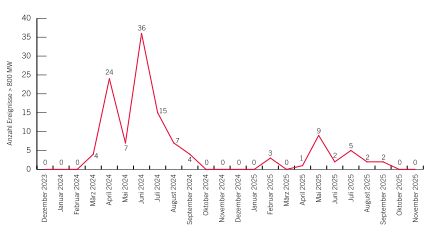
Swissgrid has also observed a decline in the total volume of secondary control energy activated. A comparison of the first ten months of 2024 with the same period in 2025 shows a 22 percent decrease in secondary control energy activations. This is partly due to a new AI solution for control energy requests, which Swissgrid implemented in 2025.
Swissgrid: responsibility for a functioning control energy market
By further developing the access rules for the Swiss control energy market, Swissgrid is creating a more liquid market and reducing the procurement costs for control energy as a result of greater competition. However, Swissgrid is not responsible for the prices offered on the market: they are set by the market players themselves.
New players and technologies
Storage hydropower is currently the most important supplier of control energy in Switzerland. This will remain the case in the future, but energy from solar plants, battery storage systems or bidirectional electric vehicles will play an increasingly important role. These developments are in line with Swissgrid’s mandate to operate the transmission grid securely and to organise the Swiss control energy market in a reliable, market-oriented and non-discriminatory manner. The minimum volume of control power that can be offered on the Swiss market will therefore be reduced from 5 MW to 1 MW. Swissgrid will also continue to develop existing products and launch new products on this market. These measures are designed to promote the participation of all new technologies and smaller electricity generators, and therefore to increase the number of suppliers on the Swiss market for secondary and tertiary control energy.
A more liquid market
The smooth functioning of the Swiss control energy market affects the entire energy sector. All stakeholders are required to help reduce the cost of control energy. Swissgrid is therefore continuing to develop the market in close consultation with the stakeholders involved in order to maximise the attractiveness of the Swiss market for secondary and tertiary control energy. Until these measures start to have an effect, control energy market players will continue to apply the price cap recommended by ElCom.
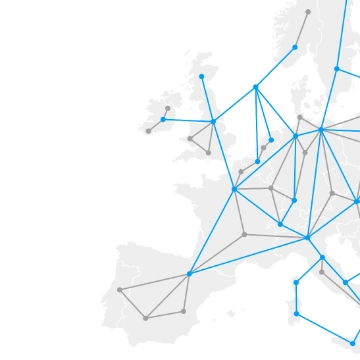
What is more, an electricity agreement with the EU would enable Swissgrid to benefit from the much larger and therefore more liquid European control energy market. This would strengthen the stable operation of the Swiss transmission grid and significantly reduce the costs for the procurement of control energy.
Balancing roadmap and new pricing mechanism for imbalance energy
Swissgrid will publish a new edition of the «Balancing Roadmap» brochure in the beginning of 2026. This brochure describes the products that are used on the Swiss control energy market.
In addition, Swissgrid will introduce the new pricing mechanism for imbalance energy on 1 January 2026. It creates incentives to guarantee a constant balance and stability in the grid.