Swissgrid is expanding the existing line between Beznau and Birr to 380 kV. A 1.3-kilometre section of the line at «Gäbihübel» near Bözberg/Riniken will be underground in future. The 220 kV line between Rüfenach and Habsburg will be dismantled.
By increasing the voltage between Beznau (AG) and Mettlen (LU) from 220 to 380 kilovolts, Swissgrid is securing the energy distribution and security of supply in the metropolitan area of Zurich, Central Switzerland and the Swiss Central Plateau. The new construction of the approx. 6.5-kilometre Rüfenach – Habsburg section is the last part of the line between Beznau and Birr that has not yet been expanded.
Partial cabling at «Gäbihübel»
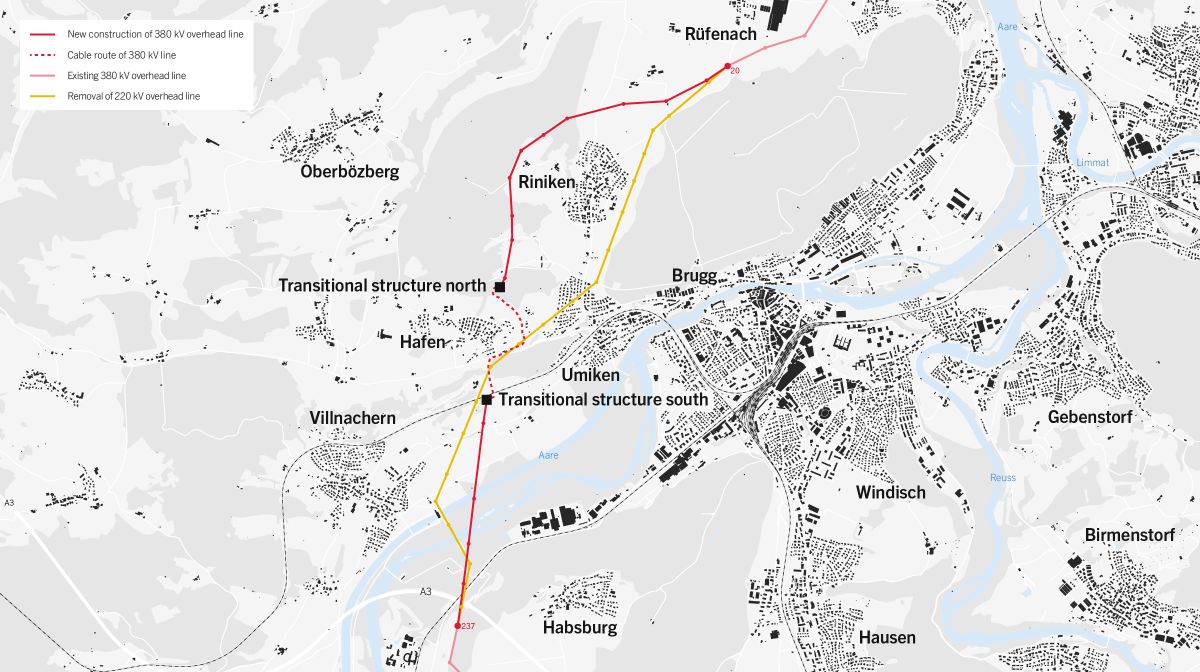
The project includes a first for Swissgrid: At Gäbihübel near Bözberg/Riniken, Swissgrid is laying a long section of an extra-high-voltage line underground for the first time. Transition structures will be built at both ends of the 1.3-kilometre section in order to connect the underground cable and overhead line. 5.2 kilometres of new overhead lines connect the underground cabled section to the route of the current line.
Easing the burden on the landscape and residential areas
After the cabling at Gäbihübel is commissioned, the entire overhead line between Rüfenach and Habsburg will be dismantled. As a result, the burden on the residential areas of Neu-Riniken and Hafen will be noticeably eased. Swissgrid considered the landscape as much as possible when positioning the two transition structures and the new section of overhead line.
A shop window for research and the public
At «Gäbihübel», the effects that cabling a long section of extra-high-voltage line has on the landscape and environment, the costs that result from this and the challenges presented in construction, operation and maintenance, will be visible for the first time. Swissgrid will provide scientific support for the project.
The costs for the entire project amount to around CHF 34 million.
Project
The project consists of the 1.3-km cable route, the northern and southern transition structures and 5.2 km of overhead line connections from pylon 20 in Rüfenach to pylon 30 in Krähtal and to the northern transition structure, as well as from the southern transition structure from pylon 32 in Villnachern to pylon 237 in Habsburg.
New construction of the extra-high-voltage line between Rüfenach (pylon 20) and Habsburg (pylon 237) with partial underground cabling at «Gäbihübel»
Partial cabling «Gäbihübel» (in German)
Carefully positioned transition structures
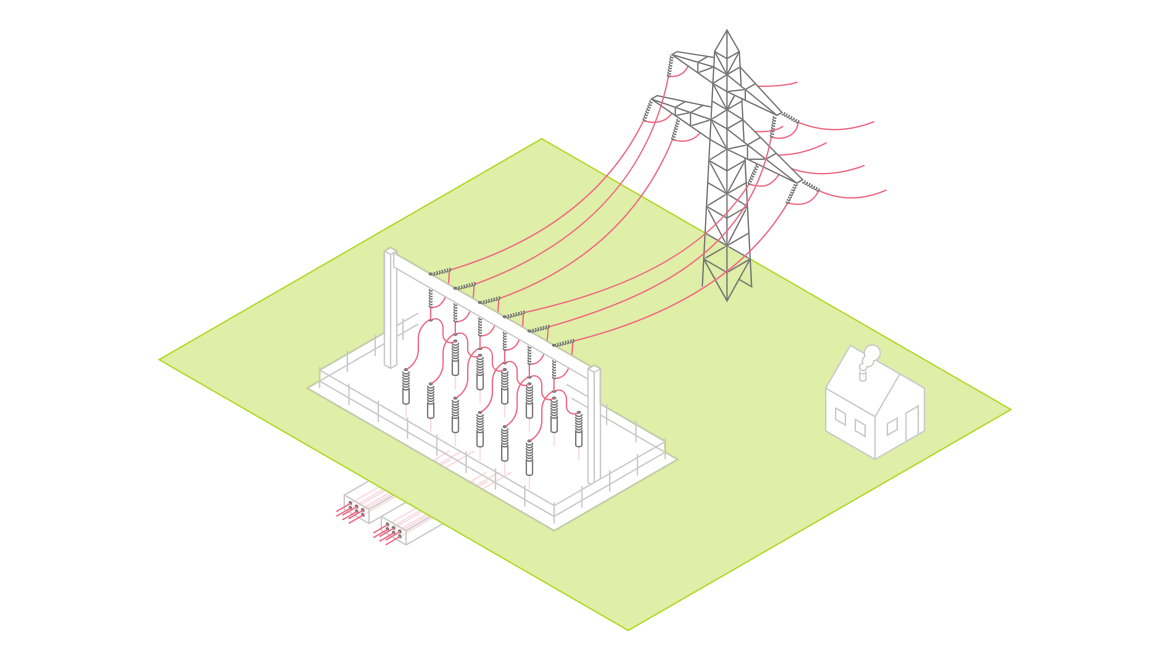
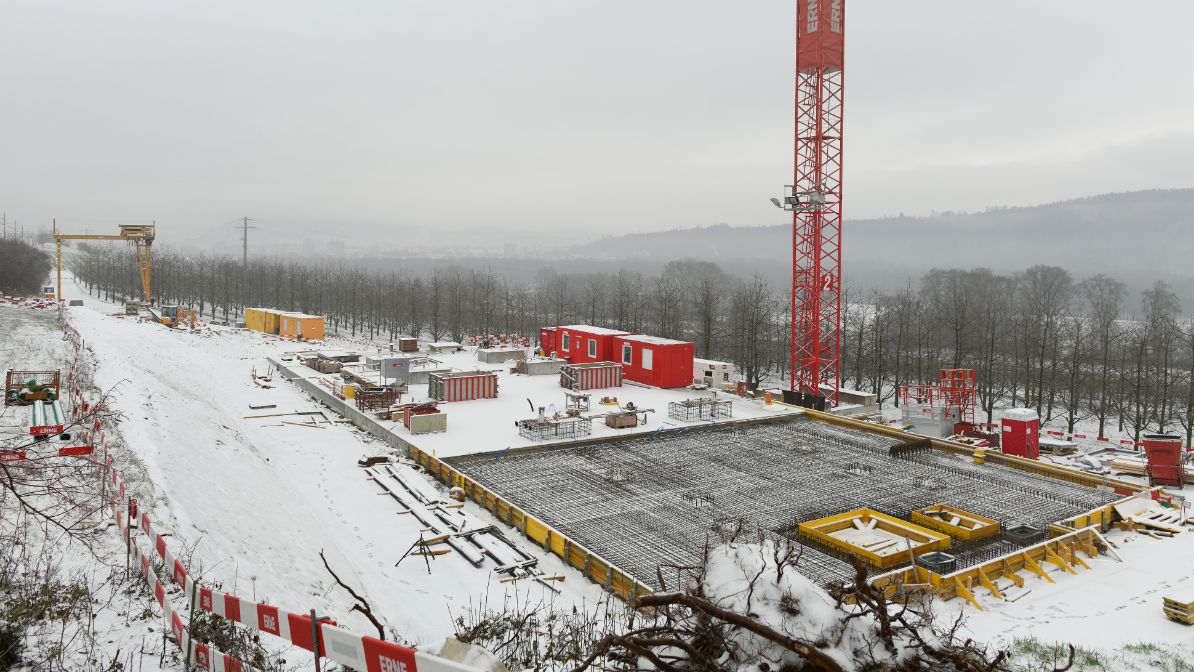
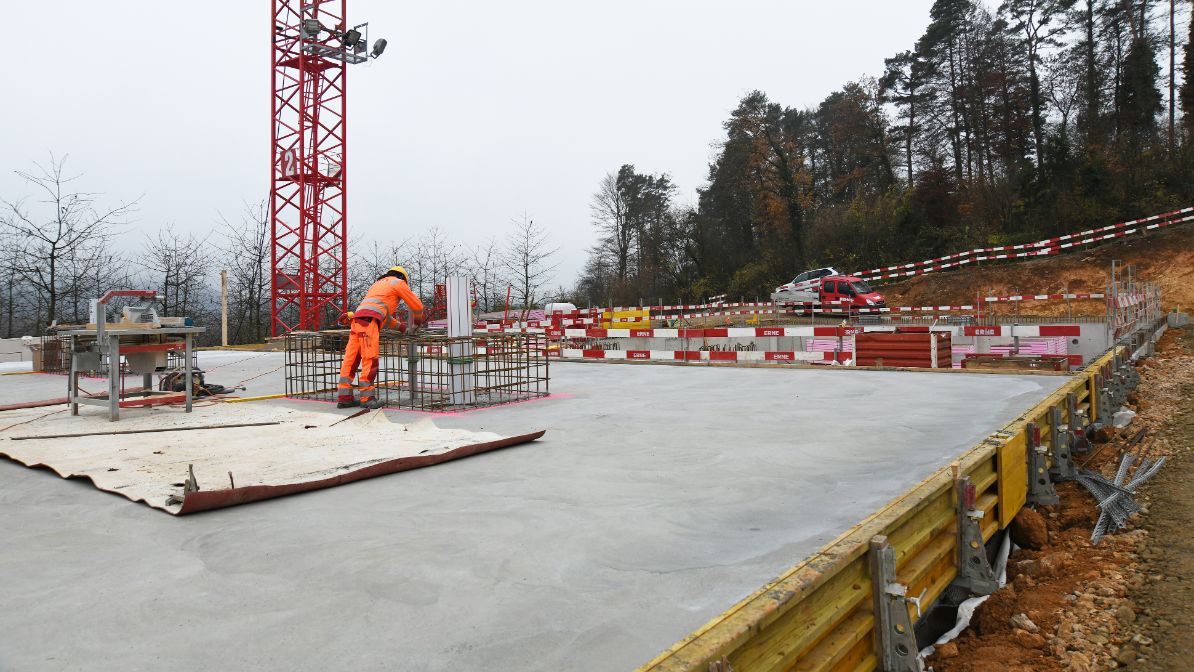
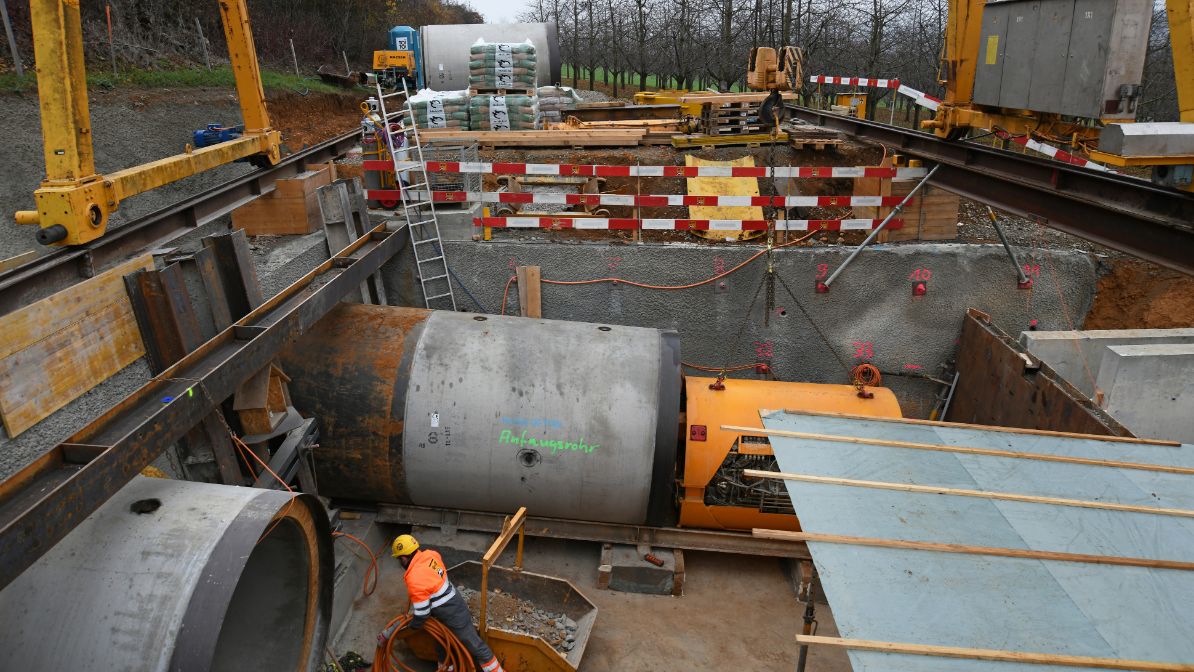
To connect the underground cabling with the overhead line connections, transition structures will be built to the north and to the south of «Gäbihübel». They each require an area the size of an ice hockey rink and are around 25 metres high.
Schematic representation of a transition structure
Swissgrid optimised the locations of the two transition structures during the course of the project. The northern transition structure in the «Pfaffenfirst» region has been positioned so that it is concealed as much as possible by the surrounding forest. The forest clearance and reforestation work required for this has already been completed. The southern transition structure will be built in the «Untere Stockacher» region, directly below the SBB Bözberg route, in order to protect the scenery as much as possible and to combine the emissions from rail and transmission line infrastructures.
1/22: Connection to the cable route
2/22: Installation of the transition structure
3/22: Installation of the transition structure
4/22: Installation of the transition structure
5/22: Installation of the transition structure
6/22: Installation of the transition structure
7/22: Unlodading of the transition structure
8/22: Ready for the installation of the transition structure
9/22: Transitional structures: Construction of the portal pylons
10/22: Transitional structures: Construction of the portal pylons
11/22: Transitional structures: Construction of the portal pylons
12/22: Southern transitional structure: Construction of the last ceiling section
13/22: Southern transitional structure: Cable outlet to the portal pylon
14/22: Southern transitional structure: Construction of supporting pillars and floor
15/22: Transition structure south: building of the side walls
16/22: Transition structure south: concreting of the base plate
17/22: Transition structure south: reinforcement of the base plate
18/22: Northern transitional structure: Reinforcement of the ceiling
19/22: Northern transitional structure: Concreting the foundation slab, putting up the side walls
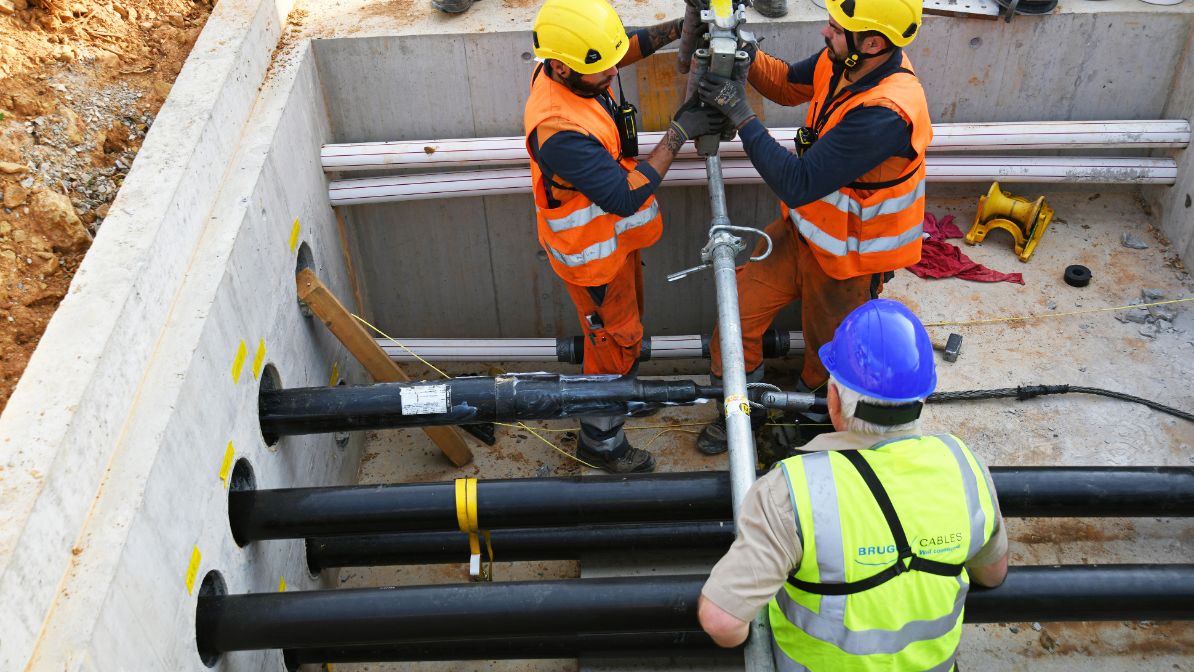
20/22: Transition structure north: transition of cable pipeline
21/22: Transition structure north: excavation
22/22: The completed north transition structure
Laying the underground cable
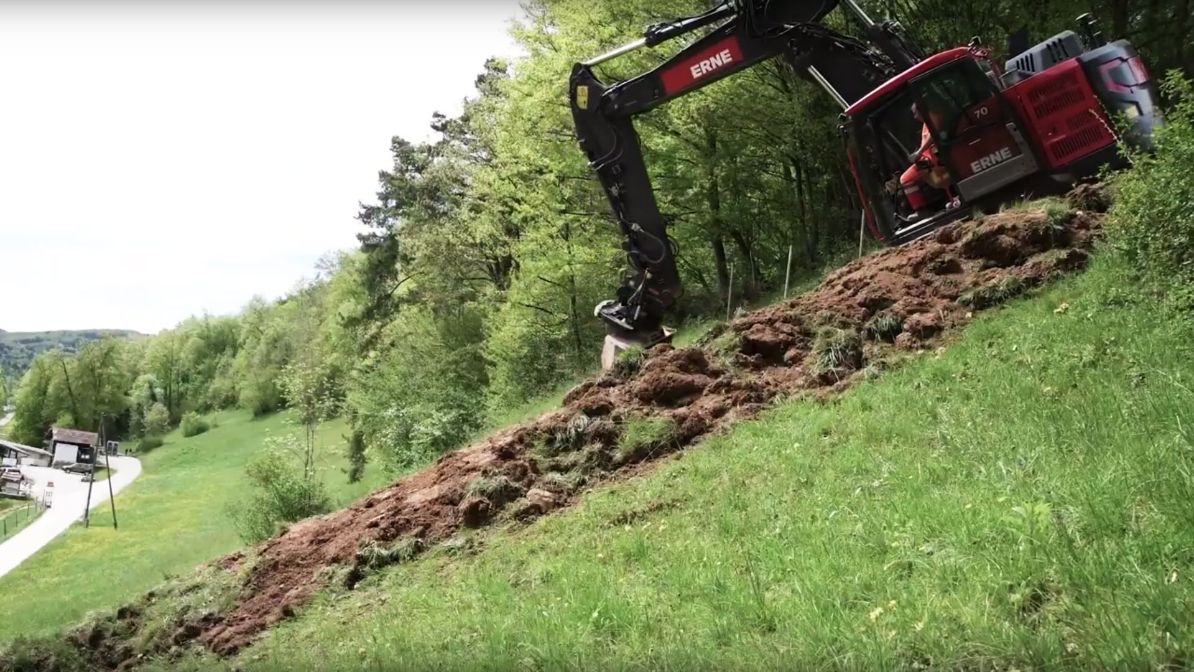
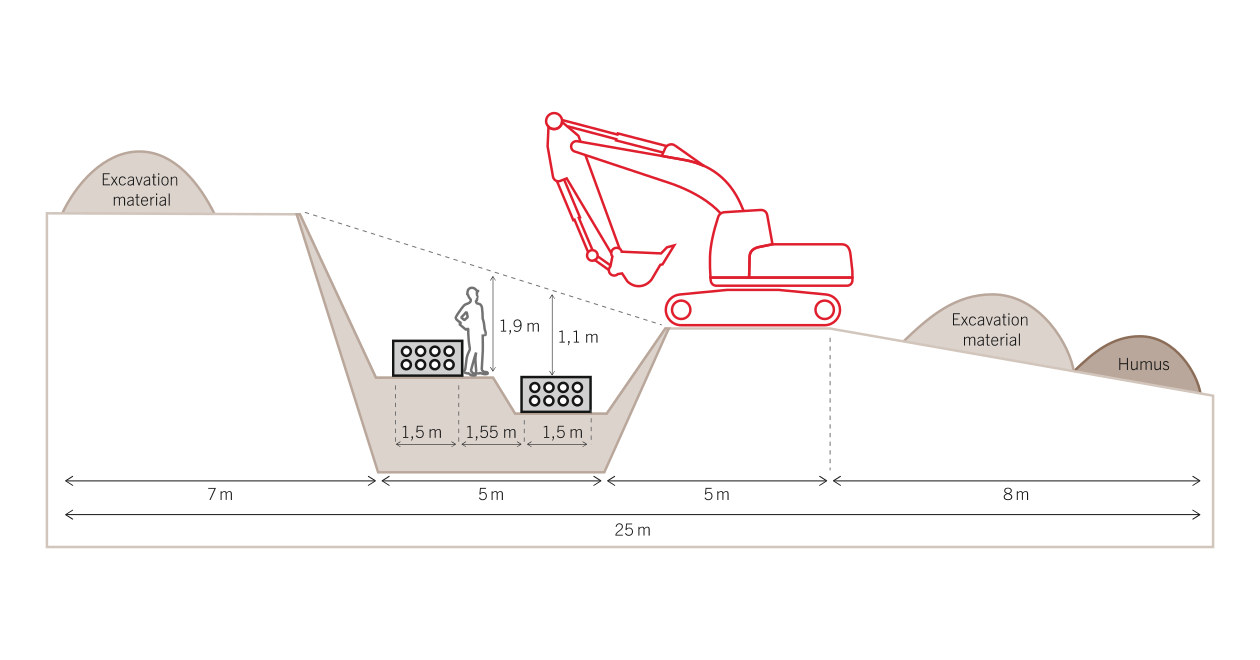
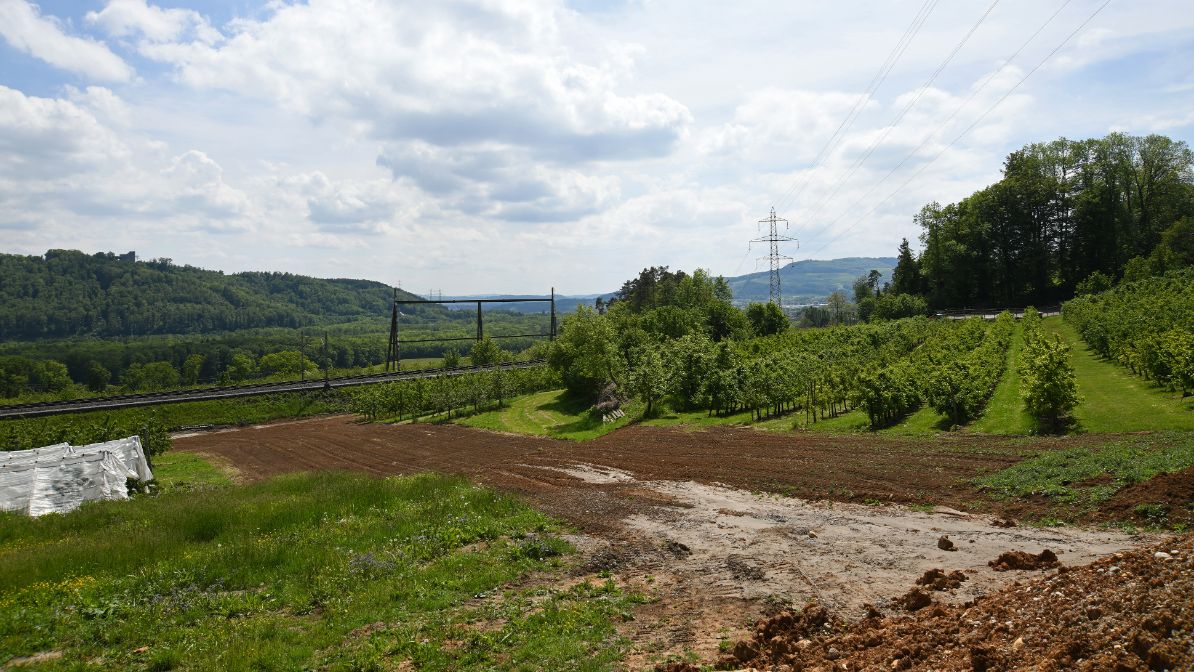
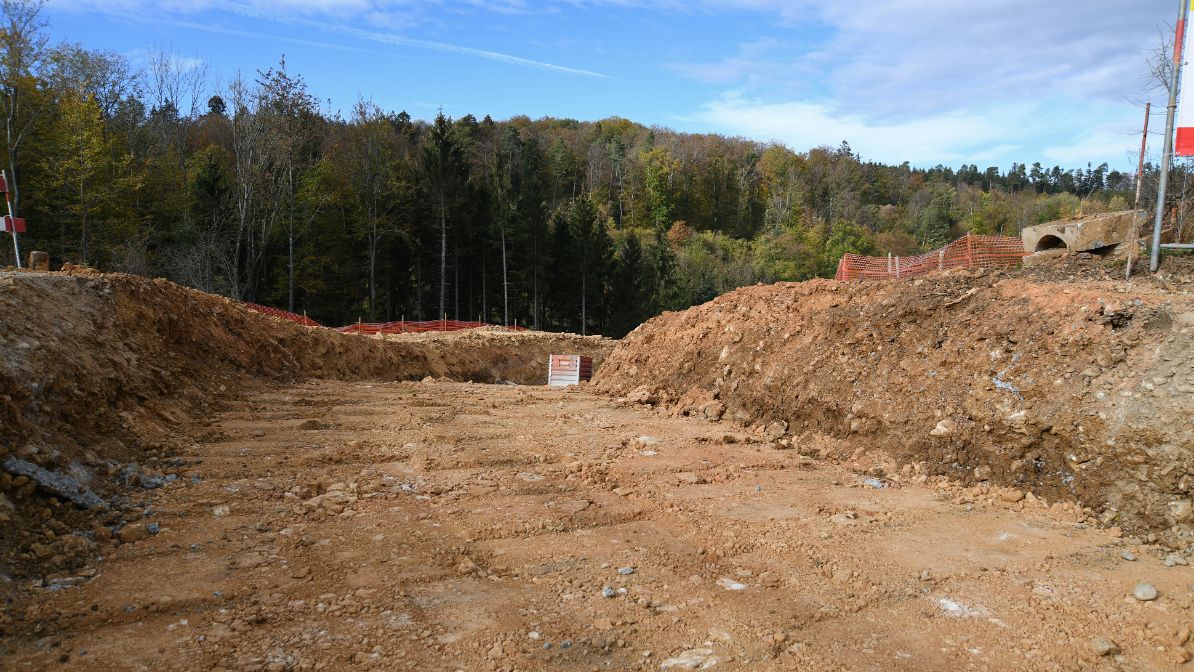
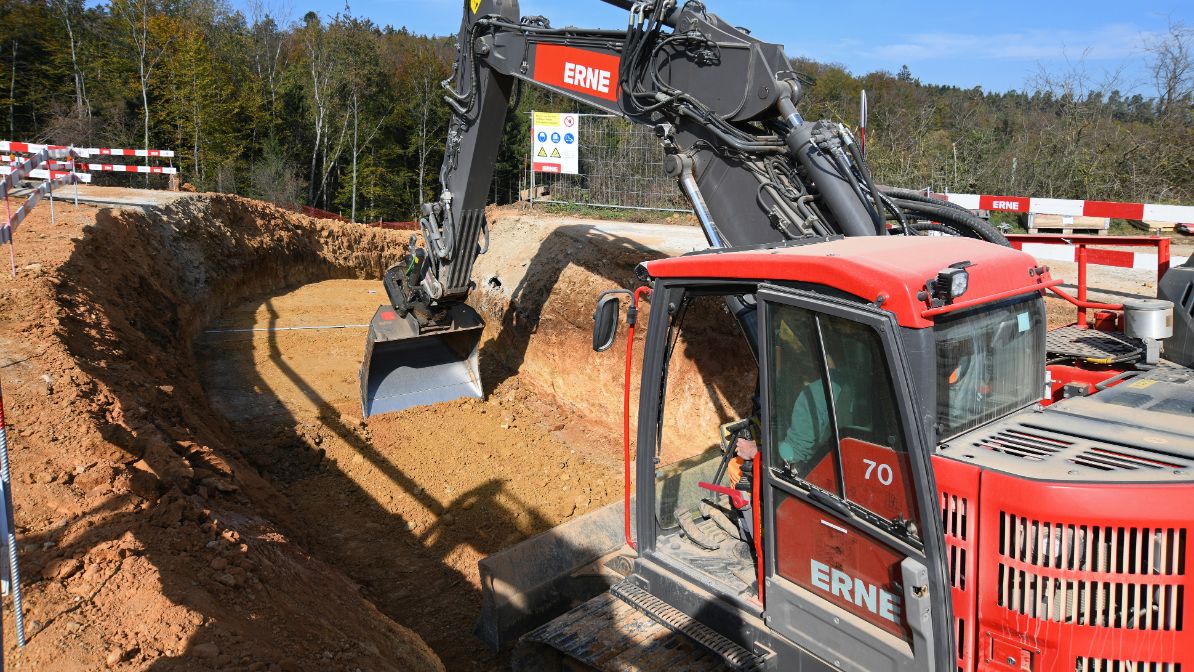
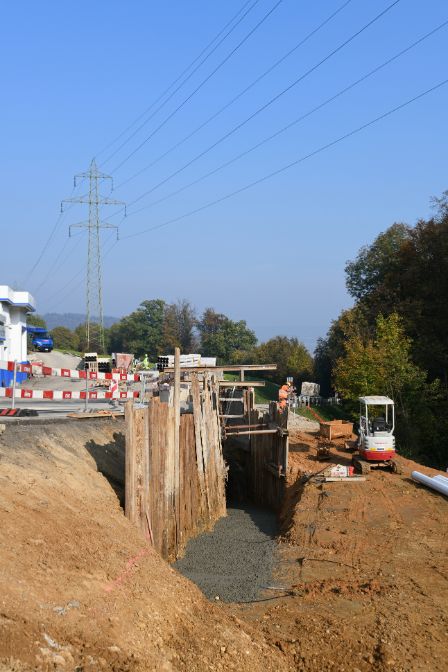
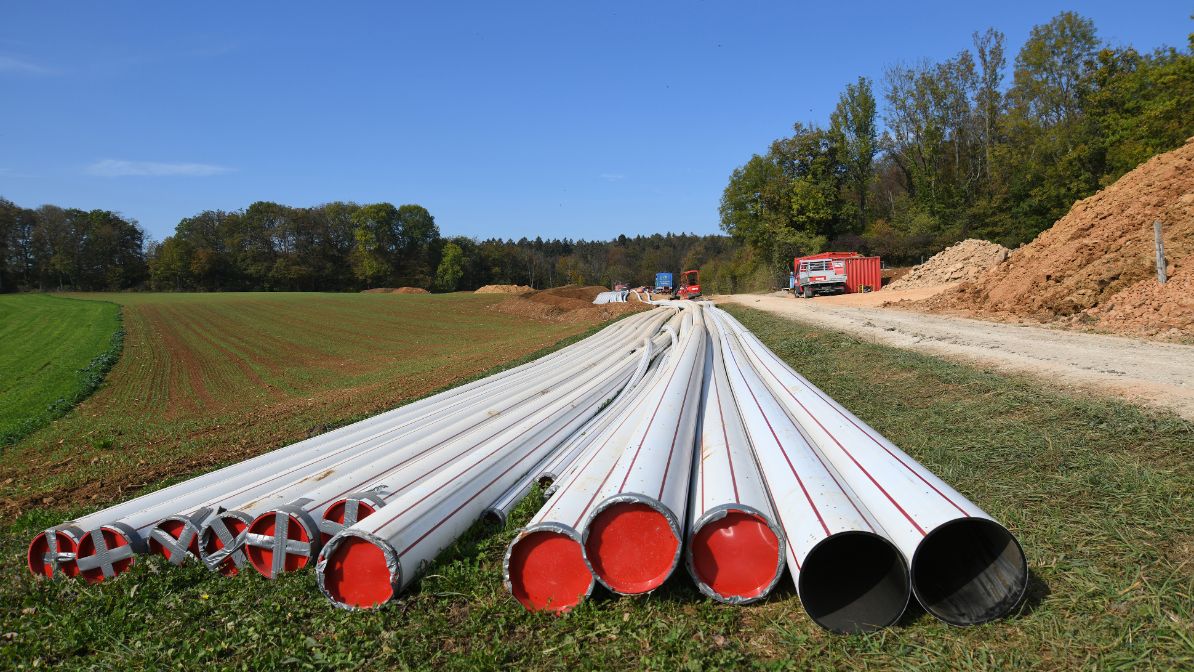
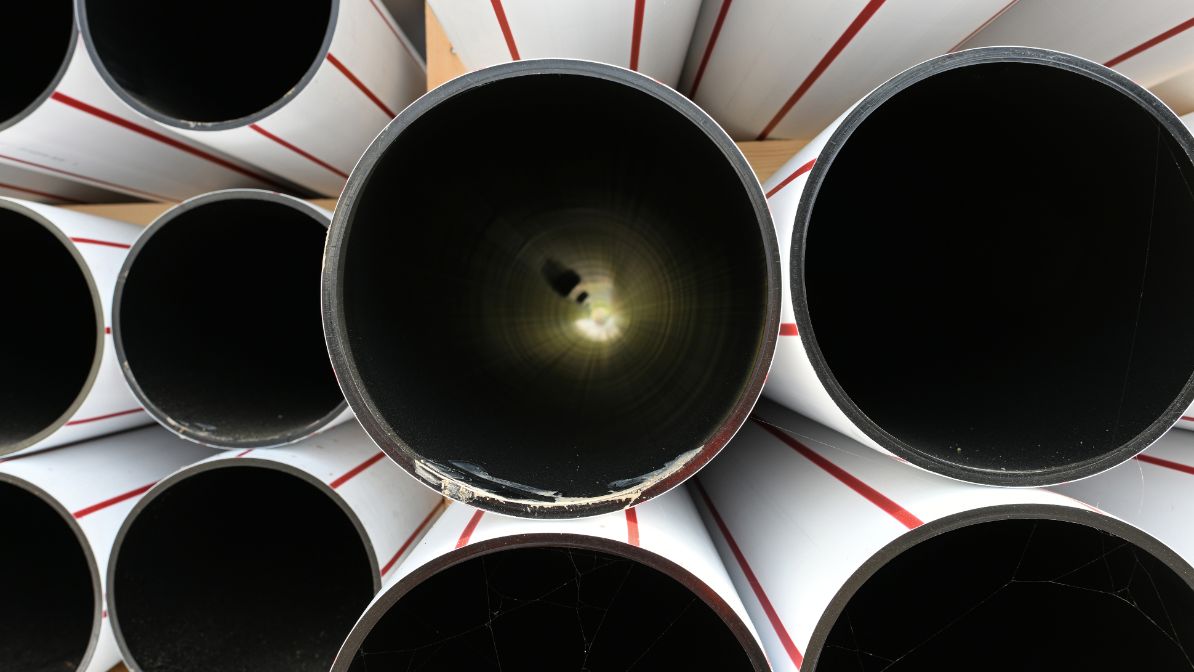
For the excavation and construction works required to lay the high-voltage line under the ground, a 25-metre-wide route must be created along the length of the cable. The approx. 5-metre-wide cable trench will be excavated in the centre of this. To do this, around 30,000 m3 of excavated material will be added and removed in Bözberg and around 25,000 m3 in Villnachern. Then the two 1.5-metre-wide conduit blocks will be recessed into the ground. In a subsequent step, six cables will be installed in each conduit block. This is a logistically challenging task, as underground cables are significantly heavier than overhead lines as a result of their much thicker insulation. Finally, the two conduit blocks will be covered with around one metre of earth. The route will then be renaturalised, apart from a 4.5-metre-wide strip over the two conduit blocks.
Schematic representation of the cable trench during the construction phase
1/7: Spreading of humus / restoration of the original state
2/7: Filling in the cable trench
3/7: Covering of the conduit blocks
4/7: Cementing of the cable conduits
5/7: Installation of the cable conduits
6/7: Installation of the cable conduits
7/7: Excavation of the cable pipeline
Installation of the underground cable
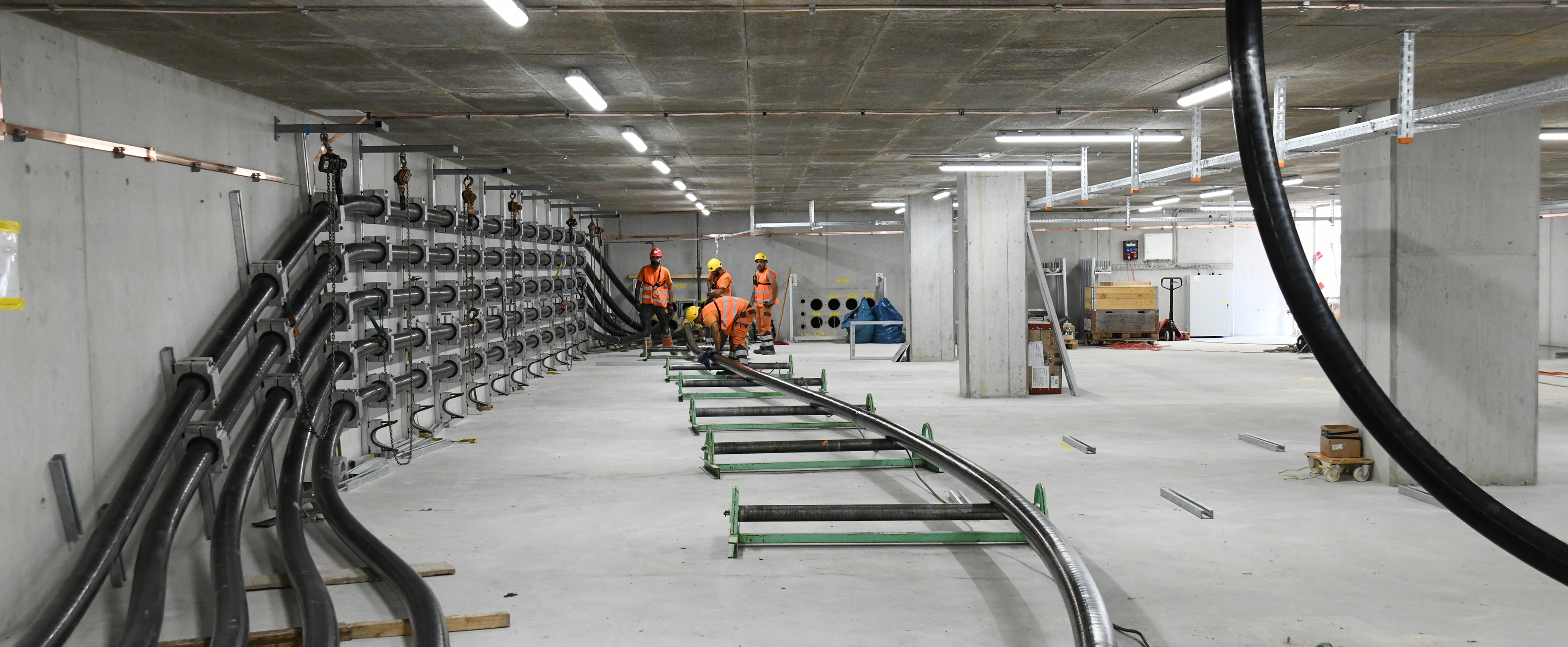
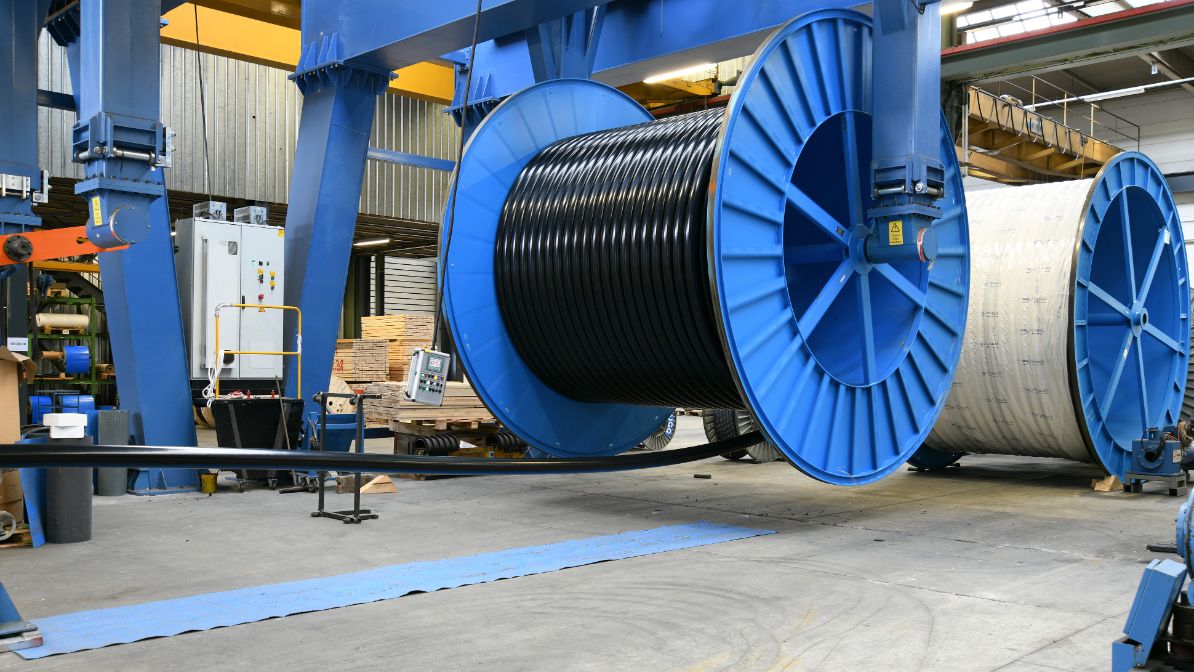
In summer 2019, the 380-kilovolt underground cables manufactured by Brugg Cables were installed in the cable conduits. Each of the twelve cables weighs around 40 tonnes together with the cable reel. In July and August 2020, the cable reels were brought from Brugg to the northern transition structure by heavy load transporter in twelve trips. Then they were unloaded and installed in the cable conduits.
1/19: Installation of the cables
2/19: Installation of the cables
3/19: Installation of the cables
4/19: Installation of the cables
5/19: Installation of the cables
6/19: Installation of the cables
7/19: Installation of the cables
8/19: Installation of the cables
9/19: Installation of the cables
10/19: Installation of the cables
11/19: Impressive dimensions: One of the twelve 40-ton cable reels in a hall of Brugg Cables ready for transportation to Gäbihübel
12/19: Cable production, part 1: Production of the aluminium conductor segments
13/19: Cable production, part 2: Stranding of the 5 aluminium conductor segments
14/19: Cable production, part 3: Semiconductor coating and insulation
15/19: Cable production, part 4: Sheathing with absorbent fleece
16/19: Cable production, part 5: Attachment of the copper wire shielding
17/19: Cable production, part 6: Mechanical protective coatings I
18/19: Cable production, part 7: Mechanical protective coatings II
19/19: Cable production, part 8: Reeling of the finished cables
Facts and figures relating to the partial cabling at «Gäbihübel»
Overall project
6.5 km line, consisting of 5.2 km overhead line and 1.3 km underground cable
Voltage level
380 and 220 kV
Number of underground cables
12
Underground cable weight
21 kg per metre
Total underground cable weight
around 380 tons
Number of new pylons
14
Number of dismantled pylons
19
Height of the pylons
47 to 80 metres (pylon 34, 35, 36 in Villnachern)
Builder
Swissgrid Ltd
Site management
Gähler und Partner AG
General civil engineering contractor
ERNE AG Bauunternehmung
Cable supplier
Brugg Cables
Construction of the overhead line connections
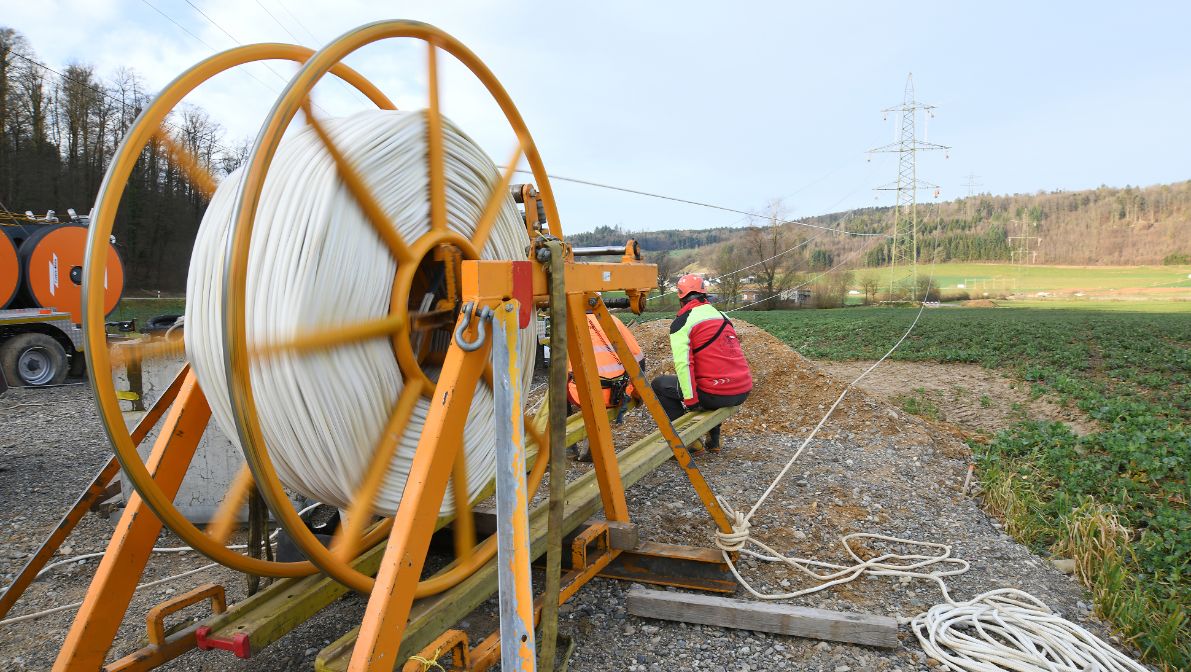
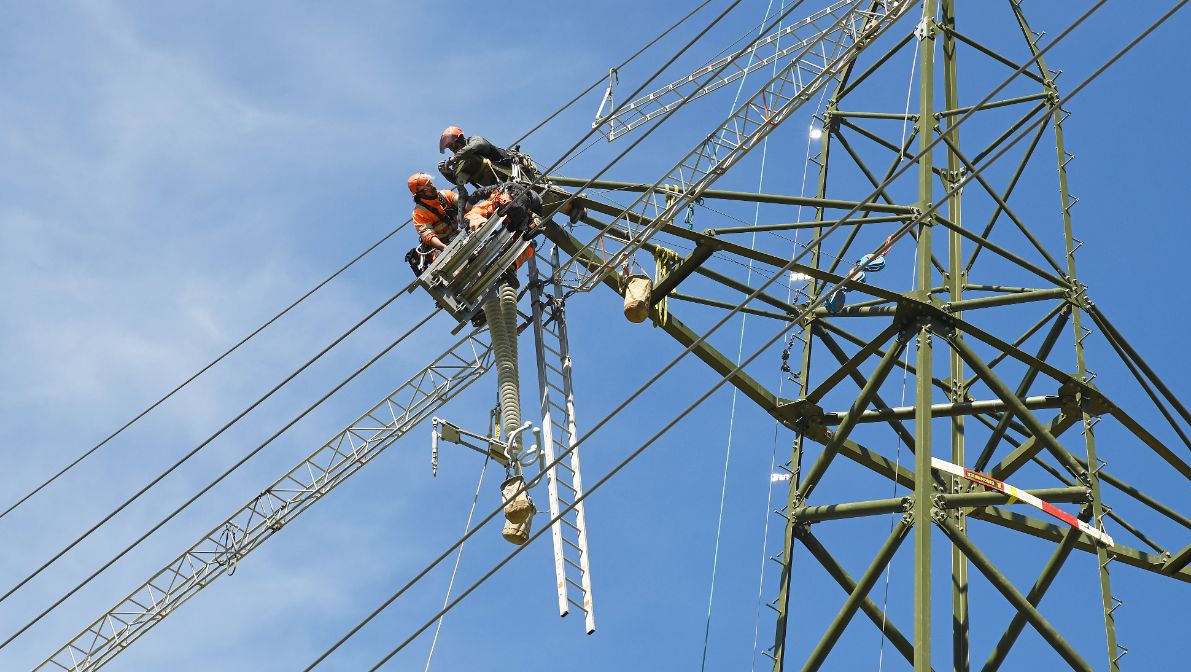
In parallel with the laying of the underground cable, the new sections of overhead line (5.2 kilometres in total), will be constructed. These connect the underground portion at «Gäbihübel» to the route of the existing overhead line. For this purpose, a total of ten new pylons will be constructed between pylon 20 at Rüfenach and the northern transition structure. Four new pylons will be constructed between the southern transition structure and pylon 237 at Habsburg. When planning the new overhead lines, Swissgrid attempted to find solutions that disturb the landscape as little as possible.
1/11: Installation of pulling line
2/11: Installation of pulling line
3/11: Installation of pulling line
4/11: Retraction of auxiliary rope
5/11: Installation of pulling line
6/11: Installation of pulling line
7/11: Installation of pulling line
8/11: Installation of conductor
9/11: Installation of conductor
10/11: Installation of conductor
11/11: Installation of conductor
Dismantling previous overhead lines
The current 220 kV overhead line runs between Rüfenach and Habsburg, in part directly over the residential area (Neu-Riniken) or in its immediate vicinity (Hafen in the municipality of Bözberg). After the new line is commissioned, this overhead line is expected to be dismantled by the end of 2020. This will noticeably relieve the burden on the residential areas.
1/2: Pylon disassembly in Riniken
2/2: Pylon disassembly in Riniken
Schedule
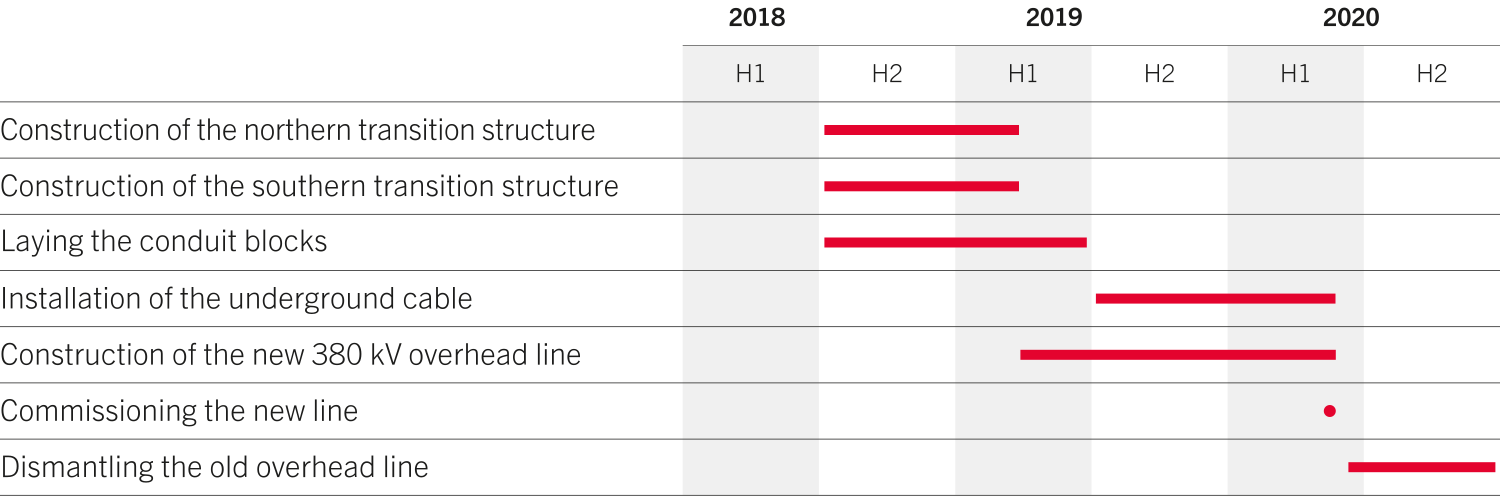
Construction work at Gäbihübel officially began with the ground-breaking ceremony on 23 August 2018. The construction of transition structures, the conduit block and overhead line connections was completed in mid-2020. The new extra-high voltage line has been in service ever since. The dismantling of the existing overhead line will be completed by the end of 2020.
Project planning under optimum circumstances
A project with an eventful pre-history
Initial plans to increase the voltage of the Beznau – Birr line to 380 kilovolts go back to the 1980s. In 1996 most of the overhead line sections were approved and built. In 2011, the Federal Supreme Court decided that a partial cabling project was to be developed at «Gäbihübel». In 2013, Swissgrid, now responsible for the transmission network, submitted a partial cabling project to the Swiss Federal Office of Energy (SFOE). In July 2016, it gave the green light.
Swissgrid will implement the most landscape-friendly line route possible when constructing the Gäbihübel partial underground cabling. Different versions and combinations of the cable route, locations of the transitional structures and the overhead line connections were reviewed. For example, the original position of the northern transitional structure was optimised so that it is concealed by the forest wherever possible. The overhead line connections are sympathetic to the landscape by blending in with the forest skyline.
Electromagnetic fields
An underground line causes electric and magnetic fields just like an overhead line. While electric fields are intercepted by the shielding in the cable, magnetic fields are generated externally. The spatial expansion of the magnetic fields is lower than for overhead lines, but the strength directly over the underground cable is much higher than under an overhead line. The limit of 1 microtesla is complied with from a distance of 6 – 8 metres to the line axis of the underground cable, while the corresponding distance for the overhead line is about 60 – 80 metres.
Soil and nature
The «Gäbihübel» partial underground cabling project will allow important knowledge to be gained on the underground cabling of extra-high-voltage lines. Swissgrid is therefore developing a scientific programme in consultation with the competent authorities and departments. The aim is to check the assumptions that were made for the dimensioning of the underground line and involves recording the underground line's impact on the soil. A comparison of the measurements with the calculations allows conclusions to be drawn about the reliability of the assumptions made.
In particular, the following points will be analysed during operation:
The temperature behaviour of the cable conductors under various operating conditions
The temperature profile in the soil in the immediate vicinity and the wider area about 20 metres from the conduit block under various operating conditions
The magnetic fields at different line loads
In the blog article «Soil is a precious resource», you will find detailed information on the impact of the underground cable on the soil and the environment.
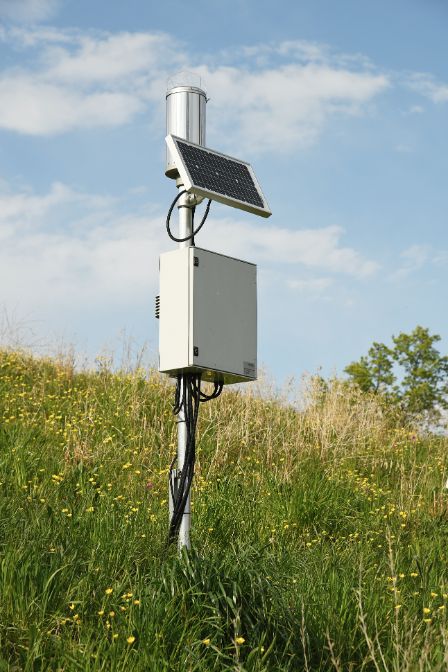
Measuring stations monitor the underground cable
Forestry work
Permanent forest clearance (about 4,000 m²) was carried out for the northern transitional structure, opposite the garage on Bözbergstrasse as well as for the pylon locations. Temporary forest clearance was executed at the location for the northern transitional structure and for the pylon construction sites in the forest (about 17,000 m²). The forestry work was carried out in early 2018. The reforestation activities for the permanent forest clearance areas will take place in Linn, in the municipality of Bözberg, and in the areas in which pylons are removed. In Riniken, deforestation activities are necessary along the line route, since the overhead line is kept low. Small trees and shrubs will regrow in this area (maximum height of 12 m). In Villnachern, the conductors cross the riverside forest.
This website uses cookies. By continuing to use this website you agree to the use of cookies. More information can be found in the privacy policy or the legal information.