

Switzerland at the heart of the European interconnected grid
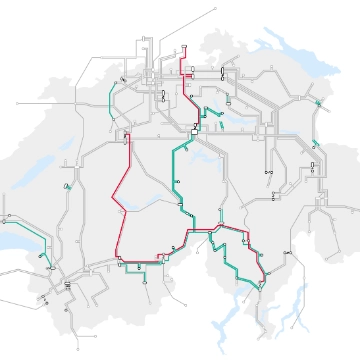
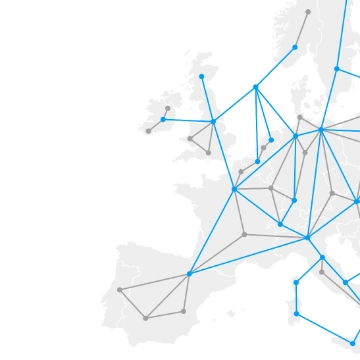
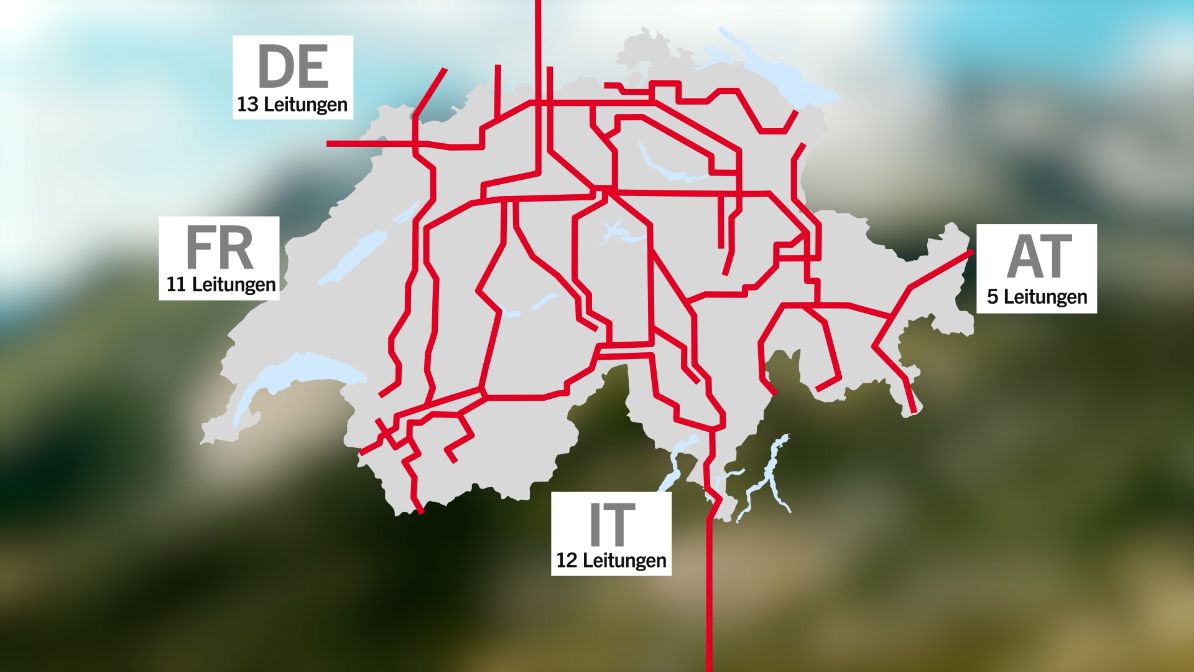
To ensure a secure supply of electricity and a stable grid, we rely on continuous electricity exchange and close cooperation with neighbouring countries. This is rooted in history: in 1958, Switzerland laid the foundations for the European interconnected grid in Laufenburg. Today, Switzerland is closely linked to the grids of neighbouring countries via 41 cross-border lines.
The electricity system in Europe and Switzerland is currently undergoing radical transformation. Decarbonisation, electrification and the expansion of renewable energy are bringing about fundamental change. Switzerland should not have to tackle this challenge on its own.
Although Switzerland lies at the heart of the European electricity system, it is excluded from important operational processes and decisions. At the moment, cooperation with European partners is based on temporary arrangements and agreements. This status quo can’t be sustained in the long term.
How does the supply of electricity work in Switzerland?
From the power plant to the power outlet: electricity is constantly flowing and does not stop at national borders. But how is electricity generated? How does it get to the power outlet? And could Switzerland function as an electricity island?
What is the electricity agreement?
The electricity agreement is a proposed treaty under international law between Switzerland and the European Union. It sets out legally binding regulations between states. As part of the Bilaterals III package, it establishes the legal framework for cooperation in the electricity sector.
The electricity agreement will enable Switzerland to participate in key European processes and platforms for energy exchange and grid operations. This is an important step; Switzerland is currently excluded from major European markets and processes. The electricity agreement will provide clarity and reliability, strengthen security of supply through electricity exchange, shared platforms for grid stability and joint planning, and guarantee access to the European power markets.
What is the current status of the electricity agreement in Switzerland?
The Federal Council negotiated the electricity agreement and submitted its dispatch to Parliament in March 2026. The parliamentary process is now under way. Deliberations have begun in the Environment, Spatial Planning and Energy Committees (ESPEC). During this phase, proposals will be drawn up to amend Swiss laws and ordinances – this is known as «domestic implementation».
Since the electricity agreement covers a wide range of technical and regulatory issues, deliberations will require several ESPEC meetings. Once the National Council and the Council of States have reached an agreement on the domestic implementation of the bill, it can be put to a public vote. This is expected to take place in 2028, alongside other proposals under the Bilaterals III.
More information: Dispatch on the Switzerland-EU Package (Bilaterals III)
Why Switzerland needs an electricity agreement


Contact
Would you be interested in further information, a presentation, an interview partner or background material on the electricity agreement?
Links
Links
Federal Council factsheet on the electricity agreement (in German)
2025 Ecoplan study: Key Swiss European policy reports