
Switzerland’s electricity system is in the midst of the greatest upheaval in its successful history. Electricity generation is becoming increasingly volatile due to new decentralised energy sources and power plants, as well as growing electricity generation from renewable energies. This places new demands on the grid and poses a challenge for secure grid operation. In addition, a large proportion of the lines in Switzerland’s transmission grid will reach the end of their technical service life in the next few decades and therefore need to be replaced. In order for the transmission system to meet future needs, it must be further developed in the long term.
While for lower grid levels, underground power lines are the standard and overhead lines are an exception, the opposite is true for the transmission system. At extra-high-voltage level (380 kV and 220 kV), electricity is currently predominantly transported using overhead lines. They account for 99 percent of the Swiss transmission grid. In recent years, Swissgrid has installed underground cable lines with a total length of over 40 kilometres in the transmission system. The use of underground cables in the extra-high-voltage grid is comparatively new, and experience in the field is relatively limited. Both technologies have their advantages and disadvantages with regard to project planning, construction, operation and maintenance. Swissgrid is open to the use of all technologies, and examines the overhead line and cabling options for every project. When doing so, Swissgrid always looks for the best possible way to reconcile the four areas of economic efficiency, technology, spatial development and the environment.
From a technical and operational point of view, cabling should continue to be used only selectively.
Overhead lines or underground cabling? The decision lies with the Federal Council
The Federal Council decides during the approval process whether a section of line should be implemented as an underground cable or an overhead line. The decision made as part of the transmission lines sectoral plan involves weighing up all the interests. The recommendation of the support group set up by the Swiss Federal Office of Energy (SFOE) plays an important role. This group is tasked with making the discussion more objective and enabling impartial and clear decisions to be made. A special evaluation scheme to assess the four areas of economic efficiency, technology, spatial development and the environment is available as a tool.
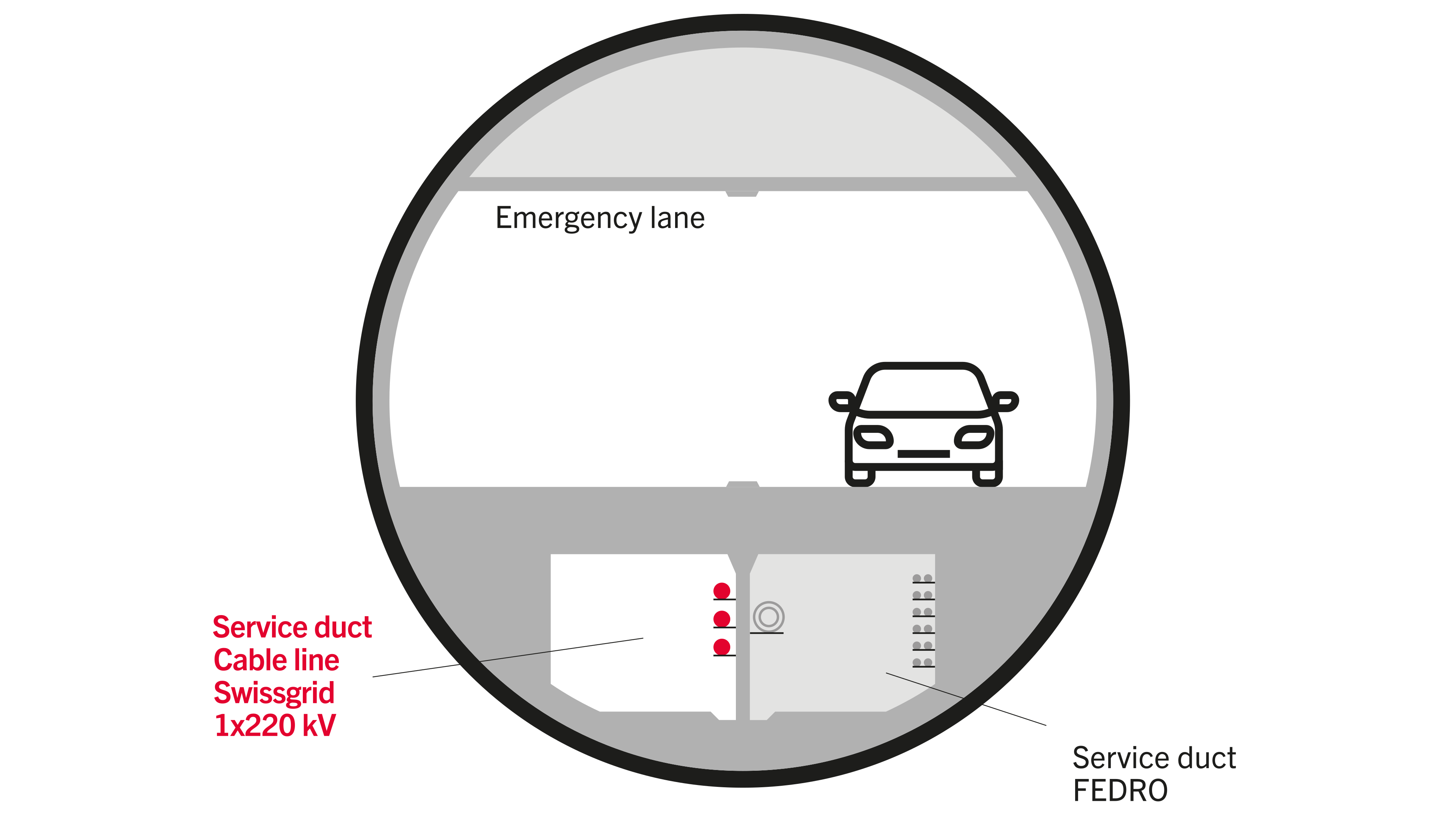
Bundled through the mountain – Airolo – Mettlen (Gotthard line)
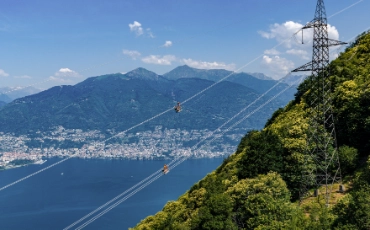
The construction of the second tube of the Gotthard Road Tunnel by 2029 offers Swissgrid a wide range of opportunities. The combination of an extra-high-voltage line with a motorway tunnel is a pioneering project that is the first of its kind in Europe. Swissgrid can gain valuable experience from this technically demanding project. Another plus is that the burden on the Gotthard landscape will be relieved by dismantling 23 kilometres of overhead lines and 70 pylons.
Maintenance and operation
The frequency of faults is higher for overhead lines than for underground cables, as they are more exposed to natural influences (e.g. lightning, ice or falling trees). While overhead lines can be made available for use again within a few hours, it can take weeks or months to put underground cables back into operation. The overhead lines in the Swiss transmission grid are equipped with automatic restarting systems. This means that if a sudden disturbance occurs, such as a lightning strike, the line is automatically switched off before being switched on again after a few seconds or approximately one minute. Sections with cabling cannot be restarted automatically. This is because a fault on an underground cable is usually associated with damage. The differences in (cable) technologies lie in the insulation material that the conductors are enclosed in, the necessary maintenance and the costs. The service life of an overhead line is around 80 years, while that of a cable line is around 40 years.

Long cables, major challenges
Due to their physical properties, underground cables have an impact on the stability of the entire transmission system. The greater the number of sections of the transmission system that are laid underground, the more the technical challenges increase. This is because the two technologies have different electrical properties that affect the stability and availability of the transmission system.
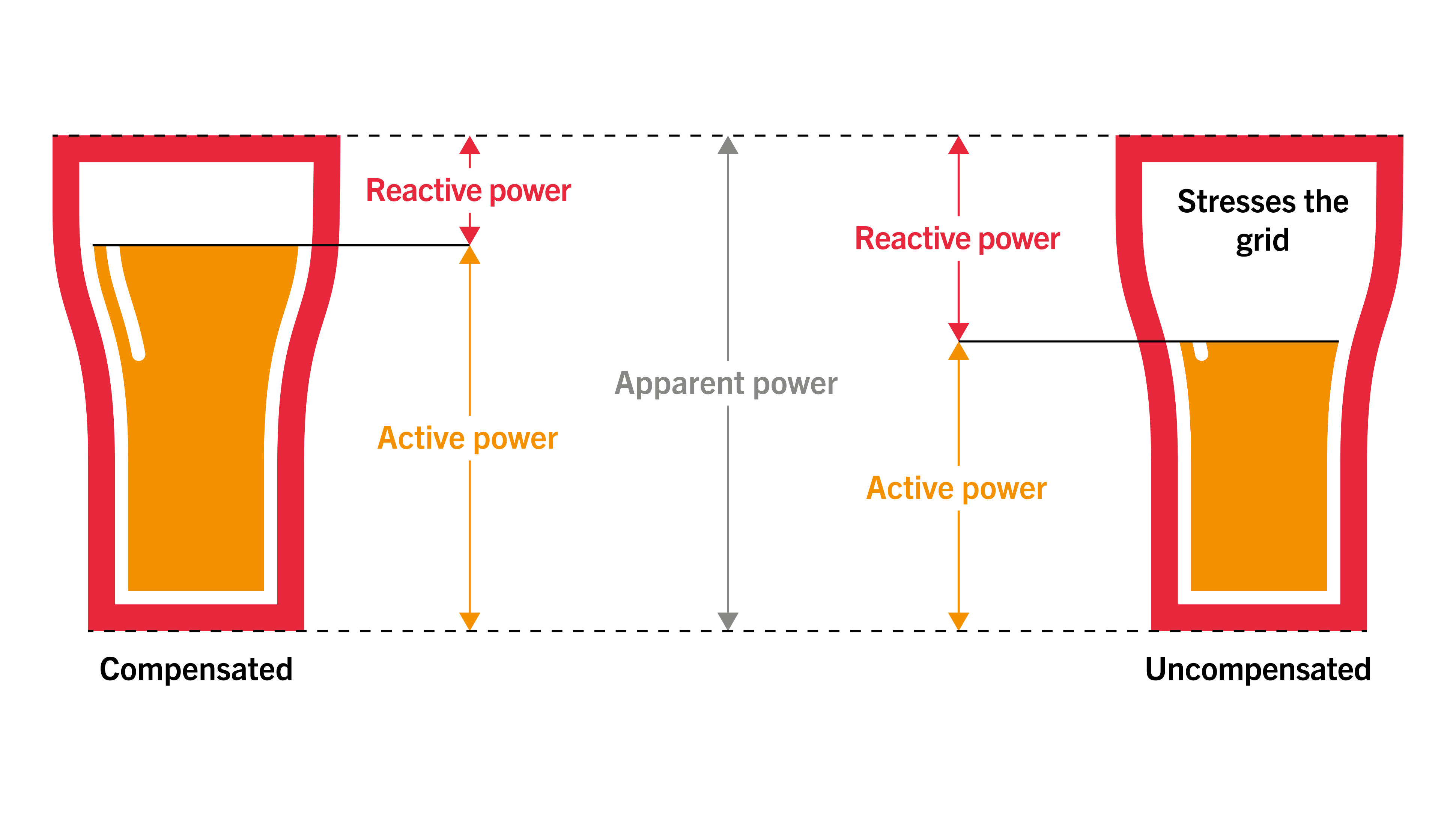
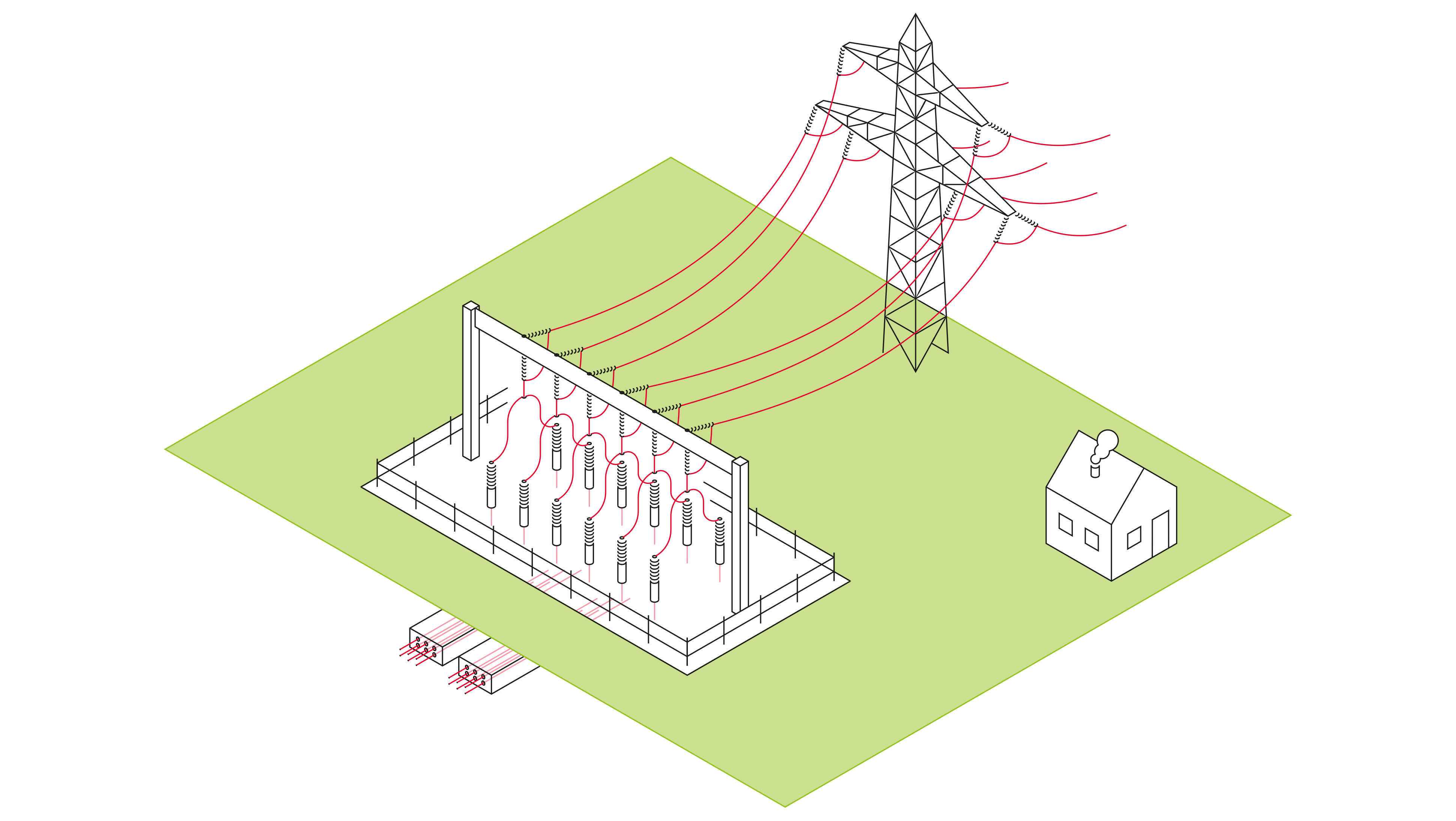
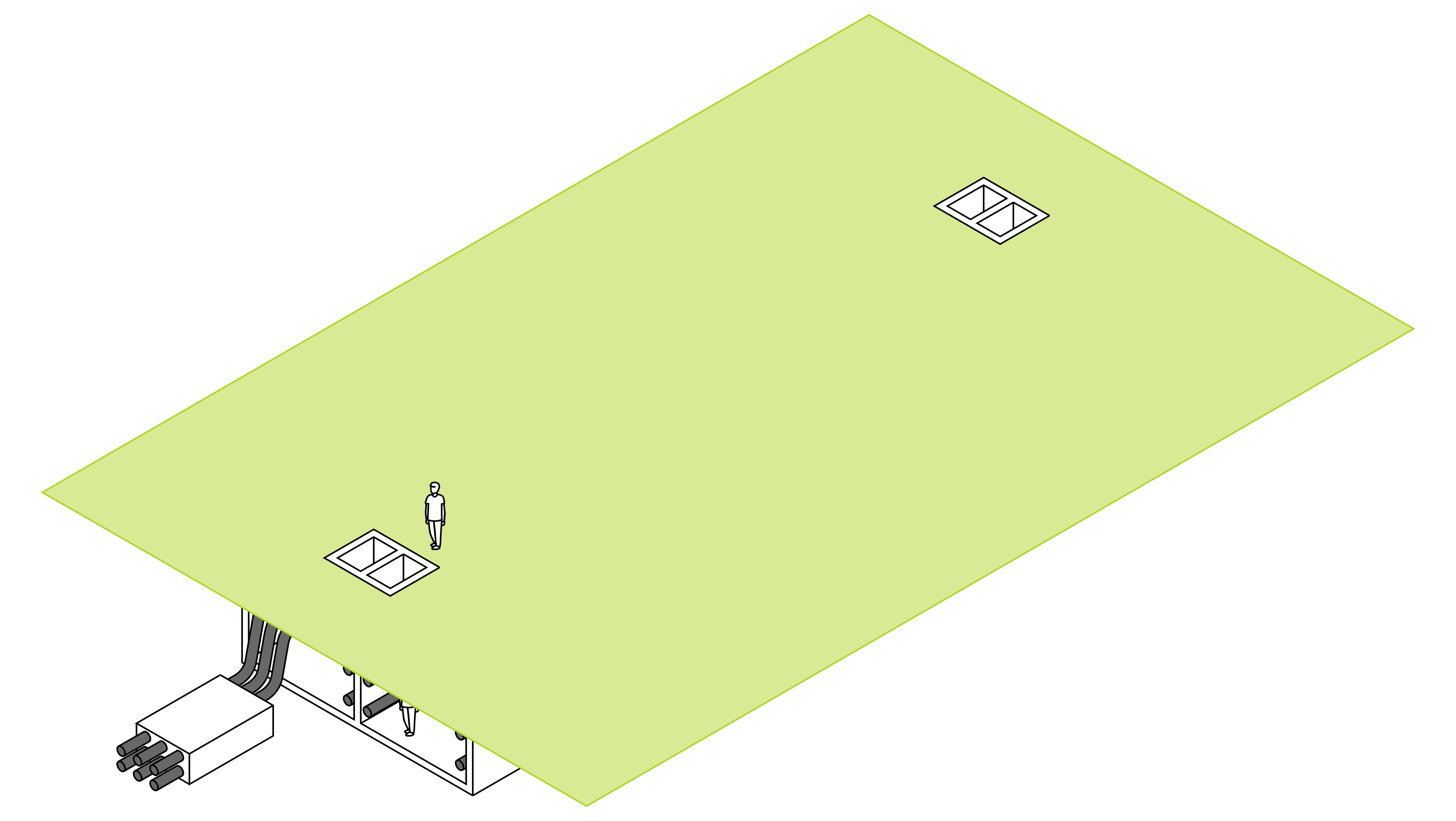
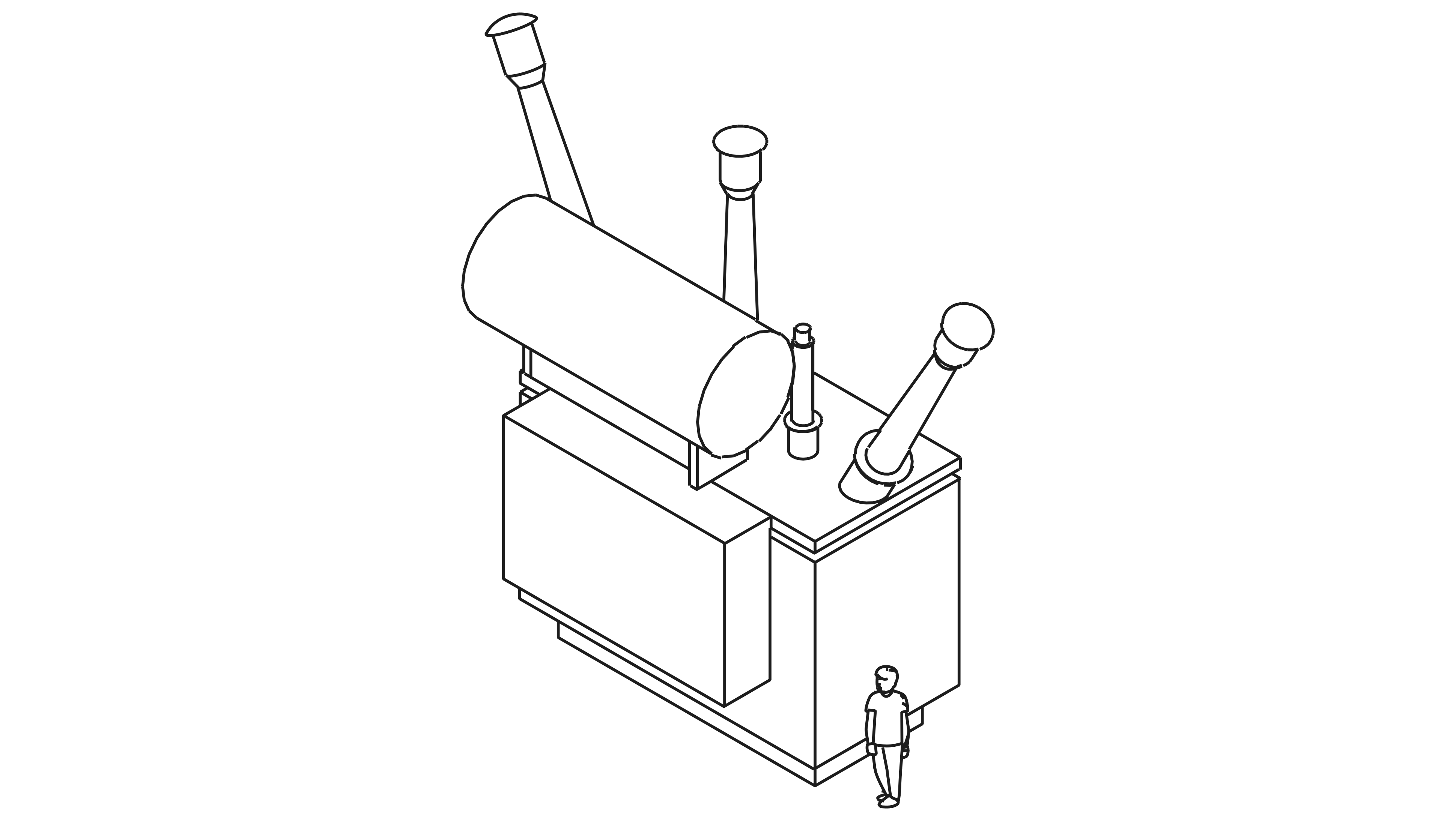
Swissgrid needs to ensure that the voltage across the entire transmission system never becomes too high. The voltage values observed at certain times are already very high and close to the permissible limits for the material. If the proportion of underground cabling in the transmission system increases, Swissgrid must build compensation systems that reduce the voltage. Depending on the power, a compensation system is roughly the size of a lorry. As well as taking up a lot of space, these systems are expensive, require additional energy to operate and cause noise. The reactive power generated by the cables causes an increase in the voltage in the grid and places an additional load on the conductors. For this reason, chokes must be connected to the cable ends to compensate for the reactive power. These massive structural elements have a major impact on power losses and substantially increase the dimensions of the transitional structures.
When assessing the advantages and disadvantages of underground cabling, it is important to consider not only the individual line section, but also the grid as a whole.
Electrical losses
Electrical energy is always lost when electricity is transported. The active power losses depend on the transmission power. They are higher for overhead lines than for underground cables. If the losses due to the compensation of reactive power are added to the figures for underground cable lines, the total losses are approximately the same for both transmission technologies.
Reactive power is like the foam that fills the top of the glass and leaves less room for the beer. Physically, a distinction is made between capacitive and inductive reactive power, which compensate for each other and ideally cancel each other out completely. Swissgrid tries to operate its lines as closely as possible to this point, which is referred to as «natural power». This is not possible with underground cables as they would heat up too much. Long underground cables therefore either reduce the effective power of a line (active power) or require systems to compensate for the reactive power. This difficulty increases in proportion to the length of the underground cable.
Cost comparison
The construction costs of an extra-high-voltage line can vary a great deal from case to case – depending on the topography, subsoil, potential natural hazards and the chosen technology. As a general rule, a kilometre of underground cable in the transmission system is between two and ten times more expensive than a kilometre of overhead line. When assessing economic efficiency, Swissgrid takes into account not only the construction costs, but also the life cycle costs of the various line variants.
Swissgrid’s calculation is based on a line service life of 80 years. However, various components must be replaced sooner. In the case of underground cables, the underground cables themselves are a particularly important cost factor. Due to their technical life expectancy, underground cables can only be operated for half as long as overhead lines and have to be replaced completely after around 40 years.

The cost of the construction of partial cabling over a length of 1.3 kilometres with two transitional structures is around CHF 20.4 million. The Beznau – Birr project shows that costs of around 10 to 15 million francs per kilometre are to be expected for partial underground cabling on the Swiss Central Plateau (transitional structures, normal subsoil, crossing under existing infrastructure). This makes the costs for the underground section of the Beznau – Birr extra-high-voltage line about six times higher than for an overhead line over its entire service life.
Visible elements of underground cabling
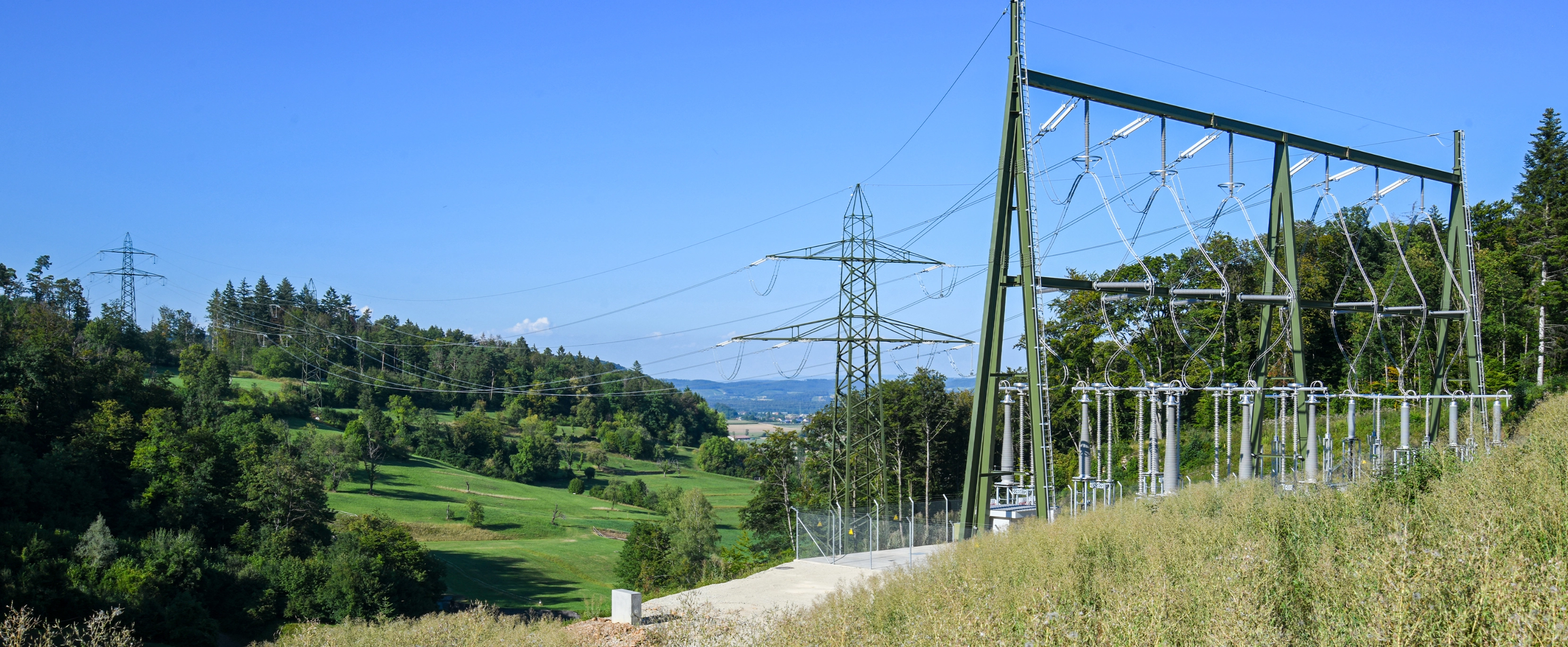
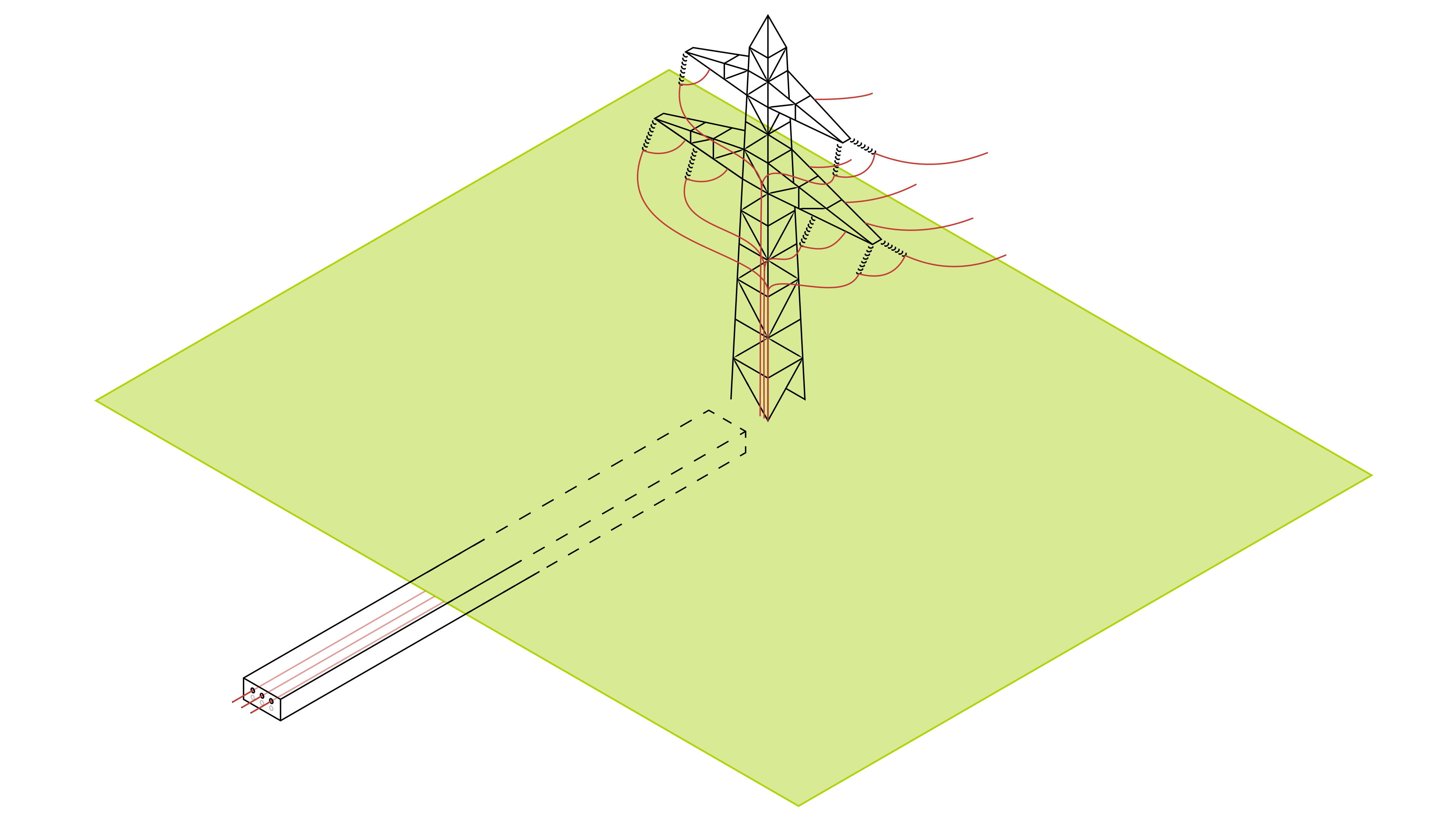
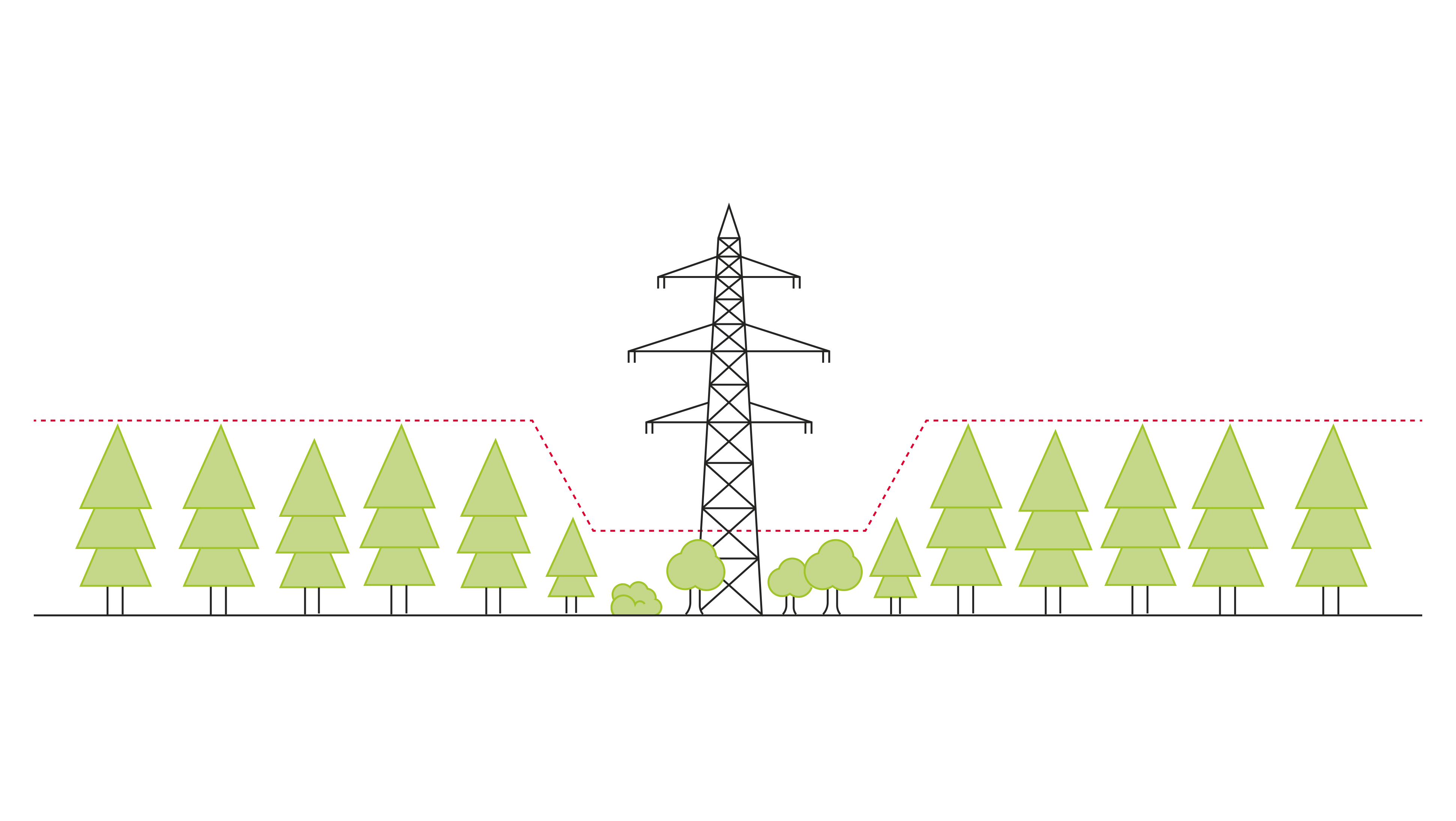
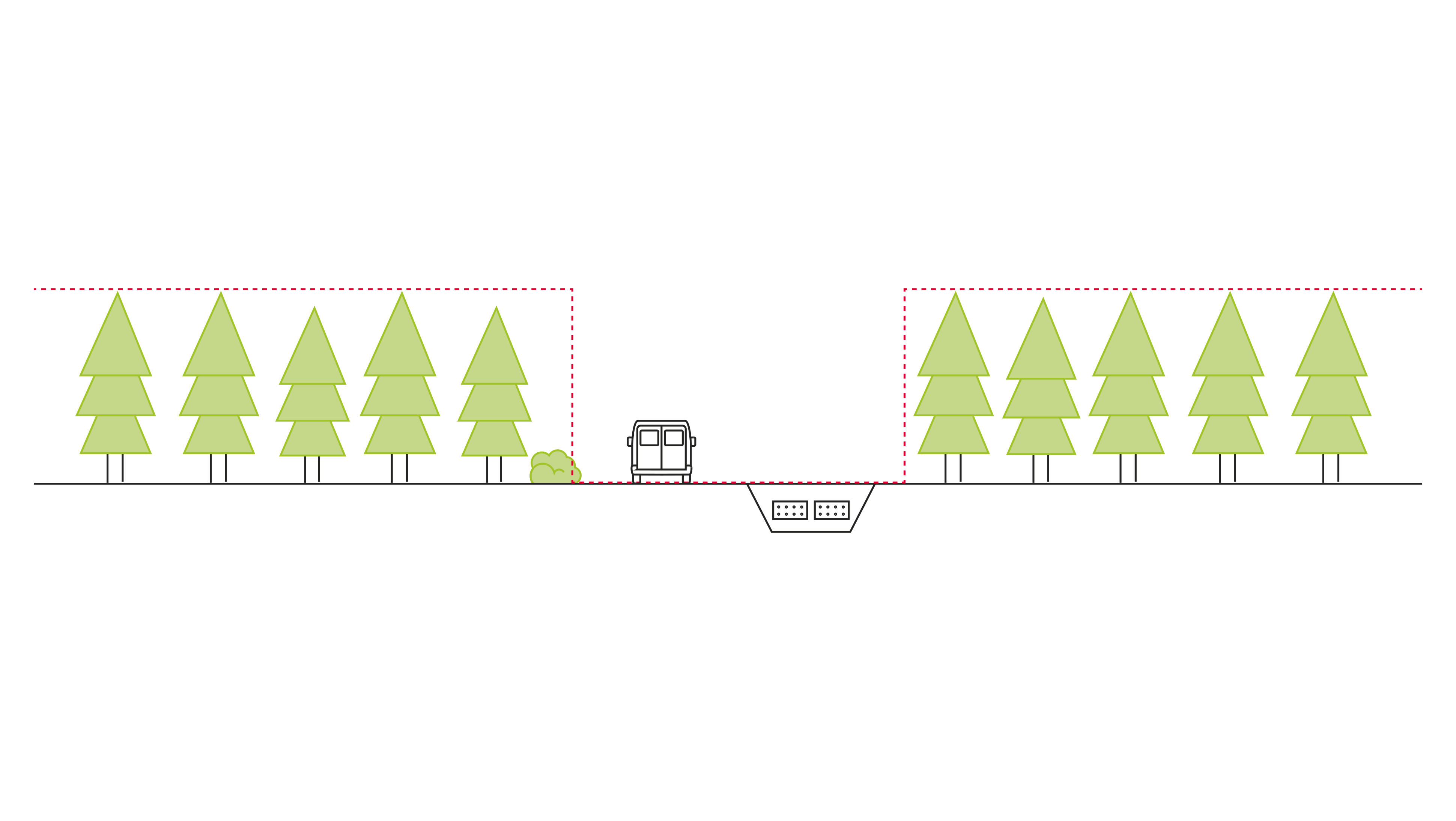
Protecting the landscape is a major advantage of underground cabling. The majority of the line infrastructure is in the ground – and therefore invisible. However, underground cables also leave traces in the landscape, for instance in the form of aisles in forests, access roads, compensation systems to reduce the voltage and transitional structures that connect overhead lines to the underground cables. Special shaft constructions are used to inspect and repair the cable connections.
Maximum protection for people and nature
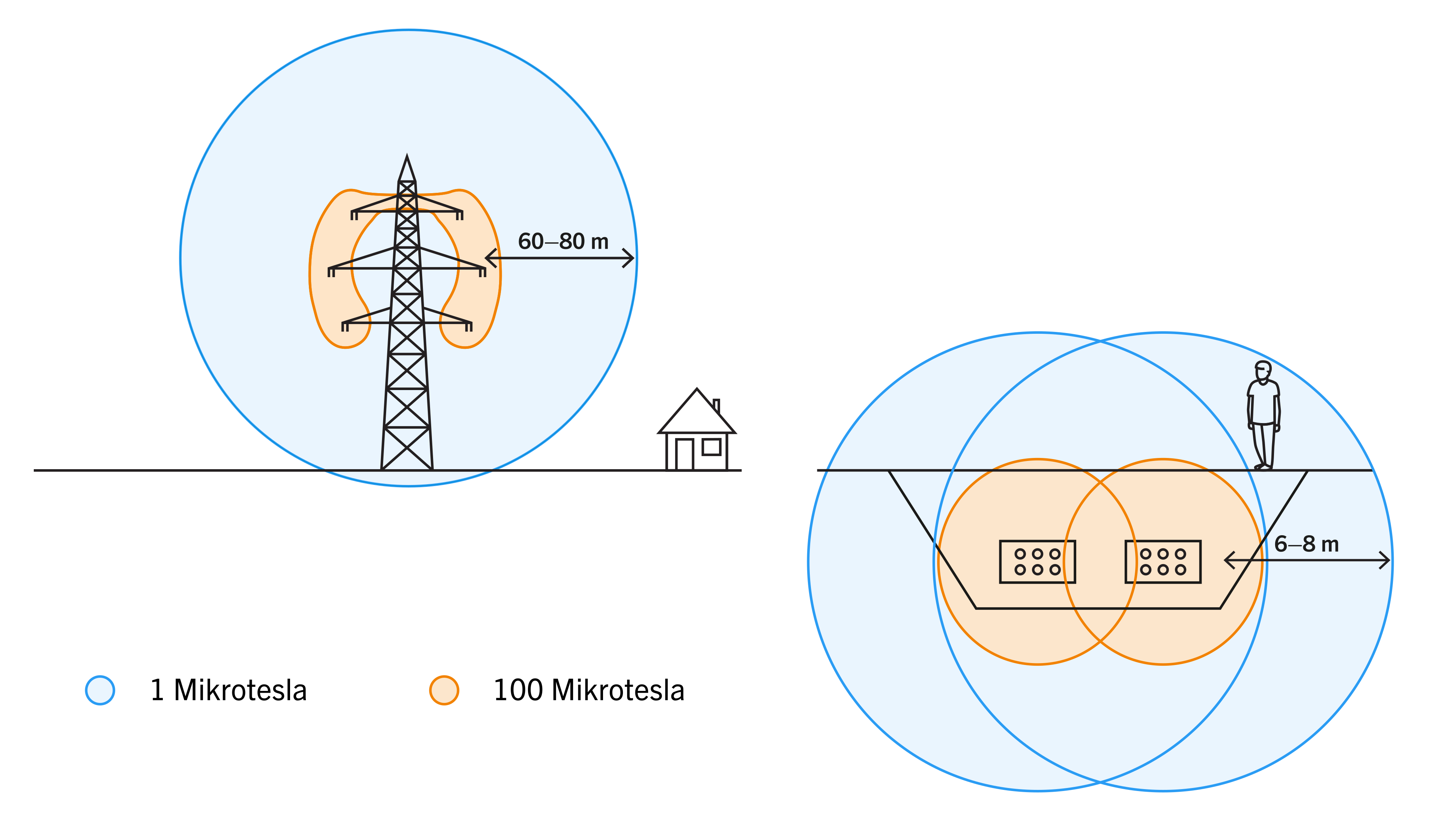
Swissgrid makes every effort to avoid or minimise negative impacts on people, the environment and the landscape during construction projects. The legal framework in Switzerland imposes strict limits for noise and electric and magnetic fields. However, Swissgrid also implements measures that go beyond the official requirements, for example by taking a range of steps to actively promote biodiversity.
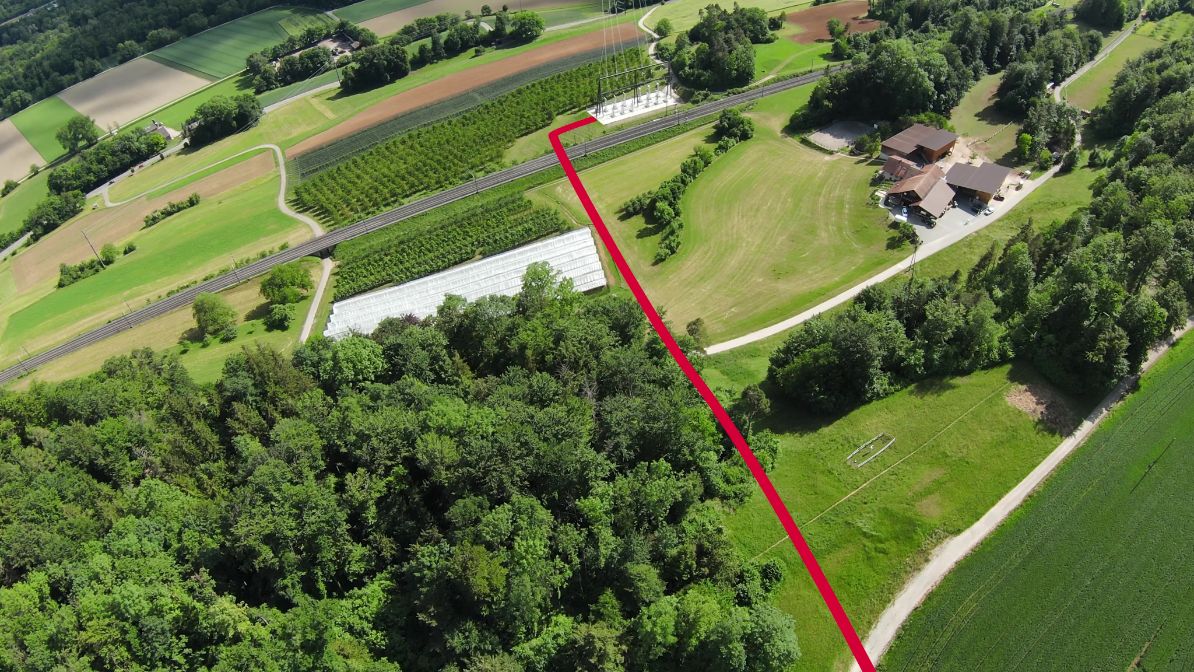
Swissgrid laid its very first extended section of a 380-kV extra-high-voltage line underground along the Beznau–Birr section in the Bözberg/Riniken area (Canton of Aargau). Electricity has been flowing via the underground cable since May 2020. The cable makes it easy to see the effects of the underground laying of a section of a 380-kV extra-high-voltage line on the landscape and the environment, as well as the challenges presented with regard to construction, operation and maintenance. Around two years after the underground cable was put into operation, the Swiss Federal Institute for Forest, Snow and Landscape Research WSL was commissioned by Swissgrid to investigate how earthworm populations and soil quality in the ground have been affected.
Conclusion
To summarise, it can be said that underground cabling in the extra-high-voltage grid poses a number of challenges. From a technical and operational point of view, the proportion of underground cables in the transmission system should be kept low. In the future, it will be necessary to weigh up from an overall perspective at which points in the transmission system underground cabling is the best implementation option. This can be the case in large, highly urbanised areas, for example, or in regions where there are options for bundling with other linear infrastructures (motorways, road/rail tunnels, etc.). The construction of the new Gotthard Road Tunnel tube is the first time that an extra-high-voltage line has been bundled with a national road tunnel, for instance..
Even though overhead lines and cabling each have advantages and disadvantages, the disadvantages of underground cables in the extra-high-voltage grid outweigh the advantages.
Author