The energy transition is fundamentally transforming the European electricity system. More and more electricity is being generated from photovoltaics and wind energy. These energy sources do not generate electricity continuously. Instead, their output depends on the weather and the time of day. At the same time, electricity requirements are rising as a result of digitalisation, data centres, electromobility and heat pumping technology.
This creates a new reality for transmission system operators: electricity flows are becoming more dynamic and increasingly cross-border in nature. As renewable energy expands across Europe, electricity flows can sometimes become very high, with electricity now being transmitted over long distances.
The extra-high-voltage power lines form Europe’s electricity highways. They are used to transport large volumes of energy both within Switzerland and across its borders. Unlike on the roads, however, transmission system operators cannot put up traffic signs to prevent congestion in the electricity grid. This is because electricity follows the laws of physics and always takes the path of least resistance. Yet this is not always the most cost-effective option from the point of view of grid operations.
Despite these changes, Swissgrid’s remit remains the same: the transmission system must be operated securely, reliably and efficiently at all times. Achieving this requires not only new lines but also innovative technologies that help make better use of existing grids and enable more targeted control of energy flows.
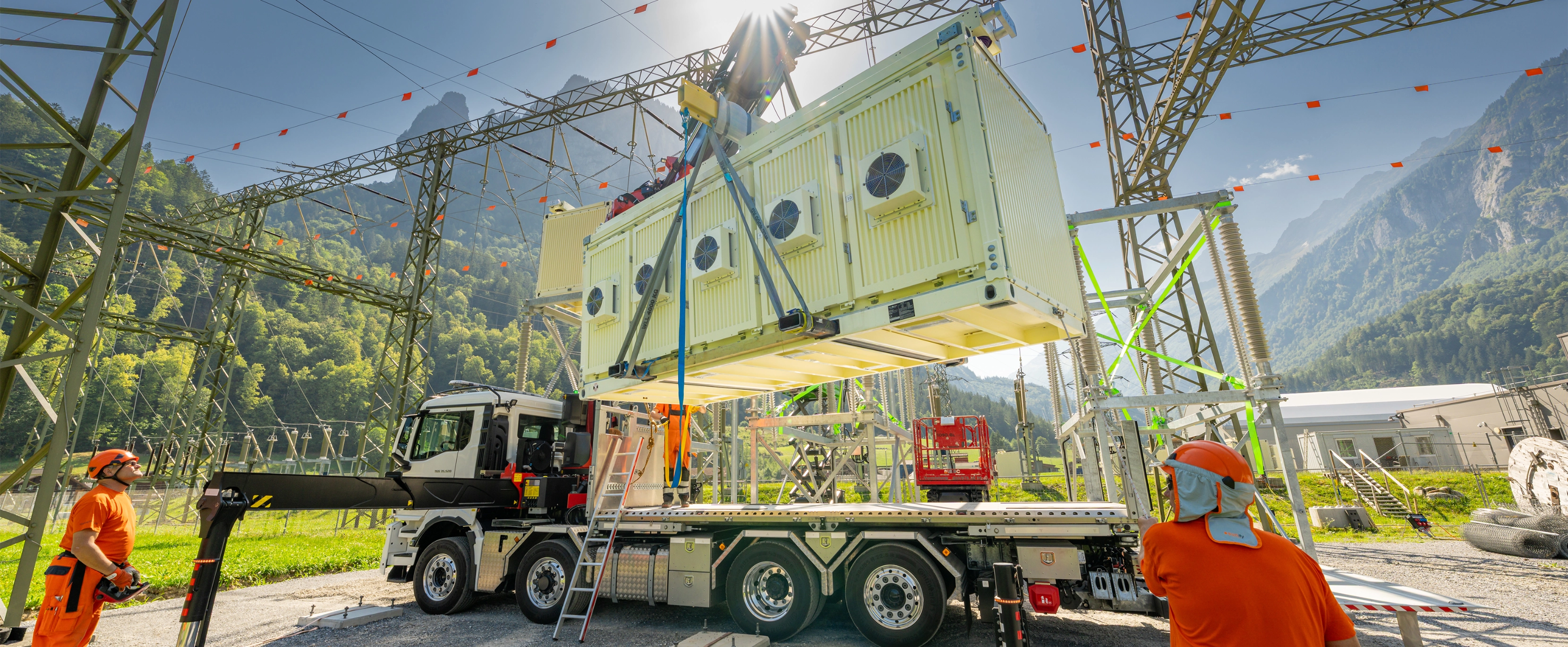
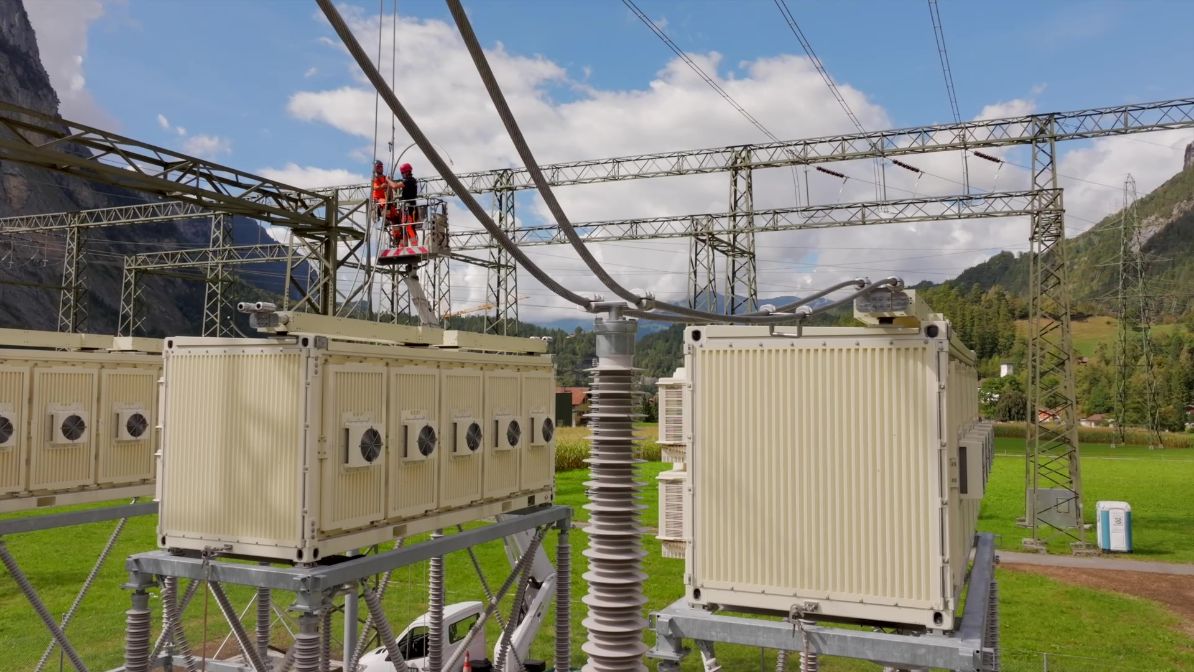
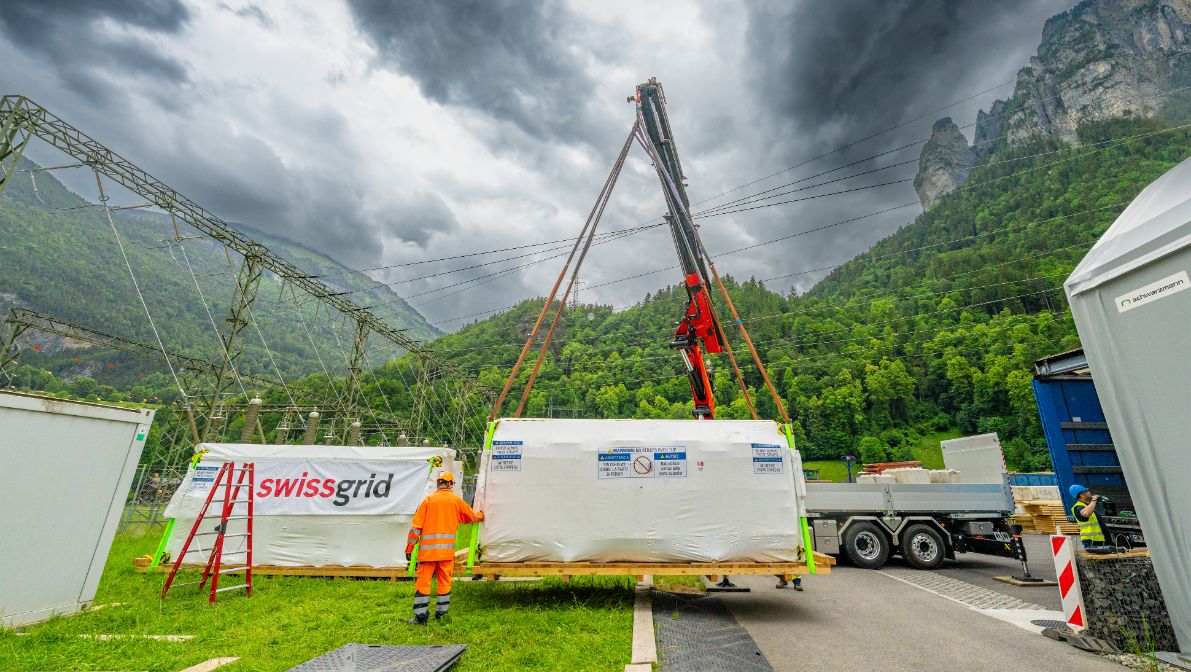
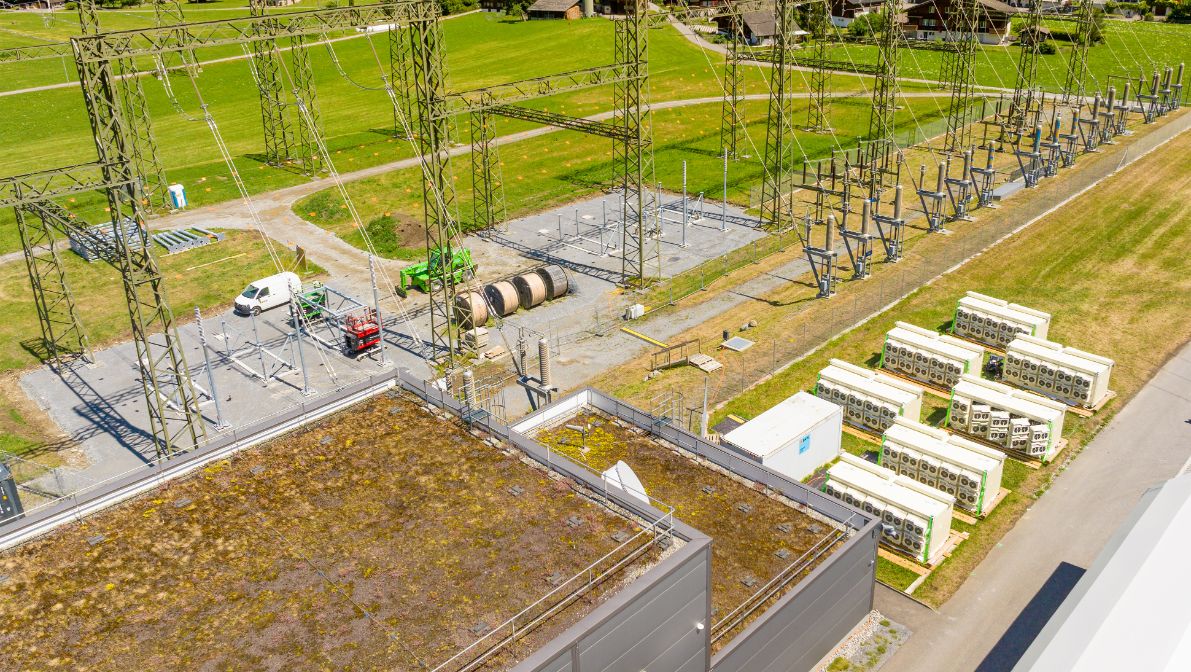
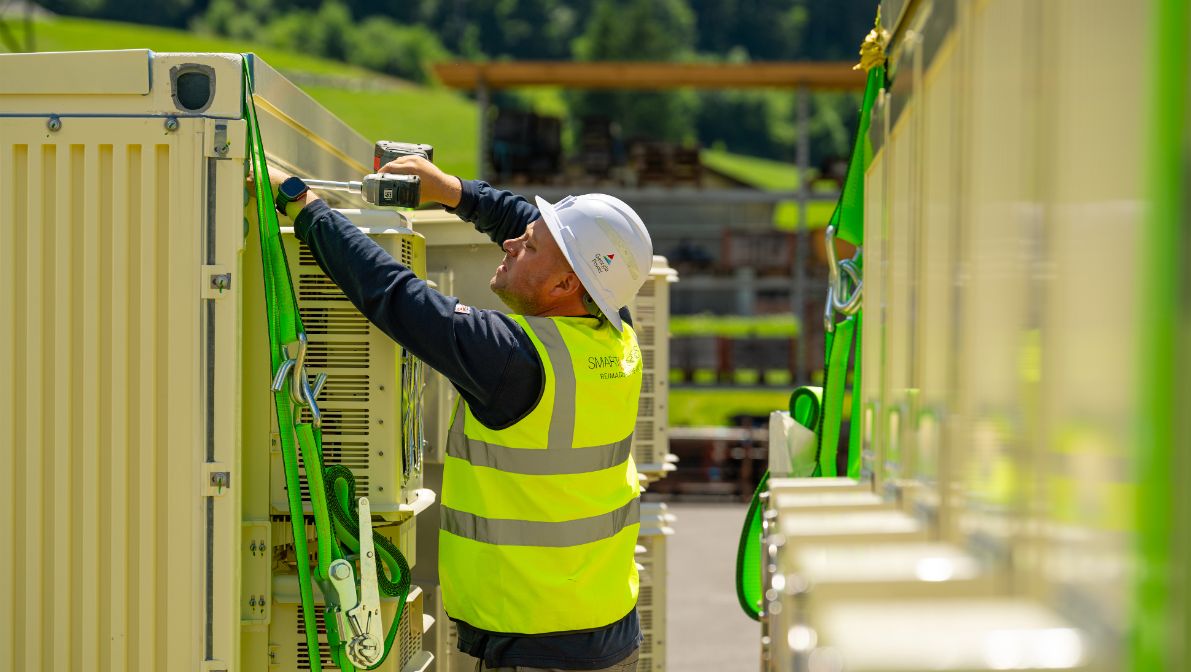
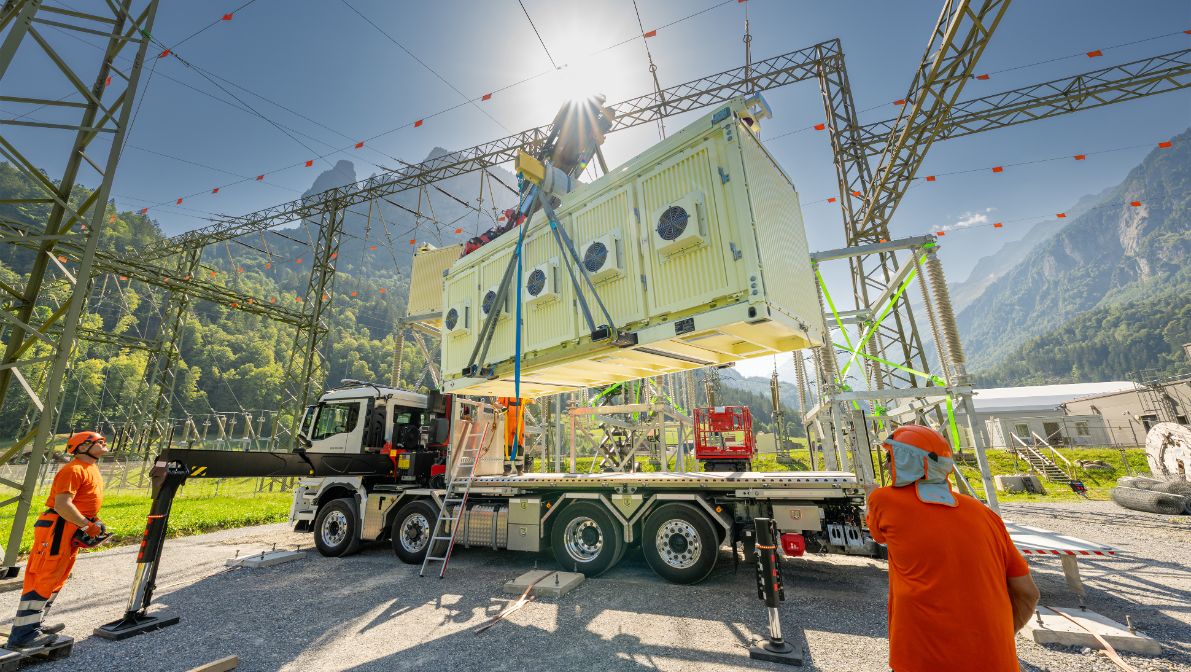
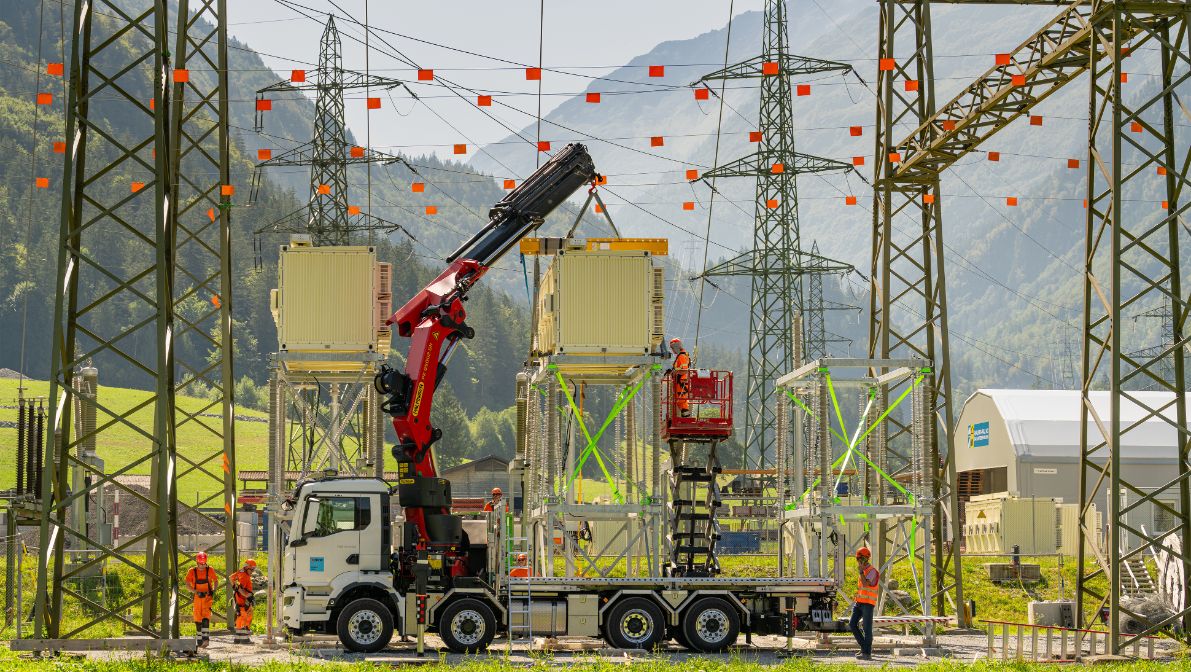
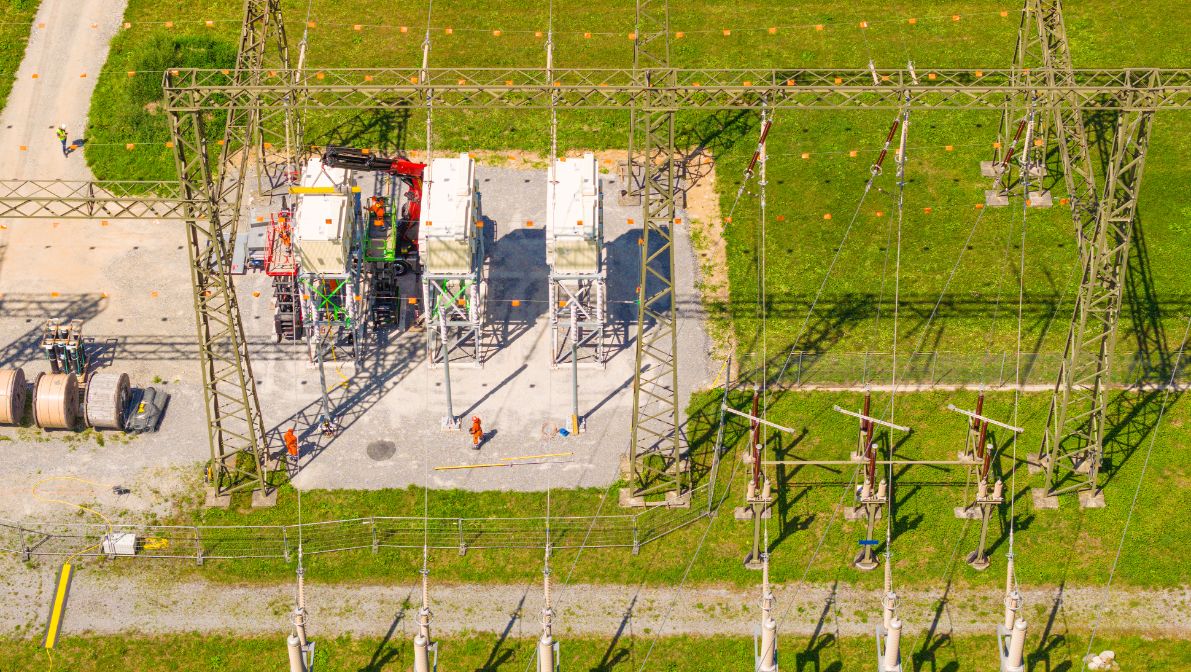
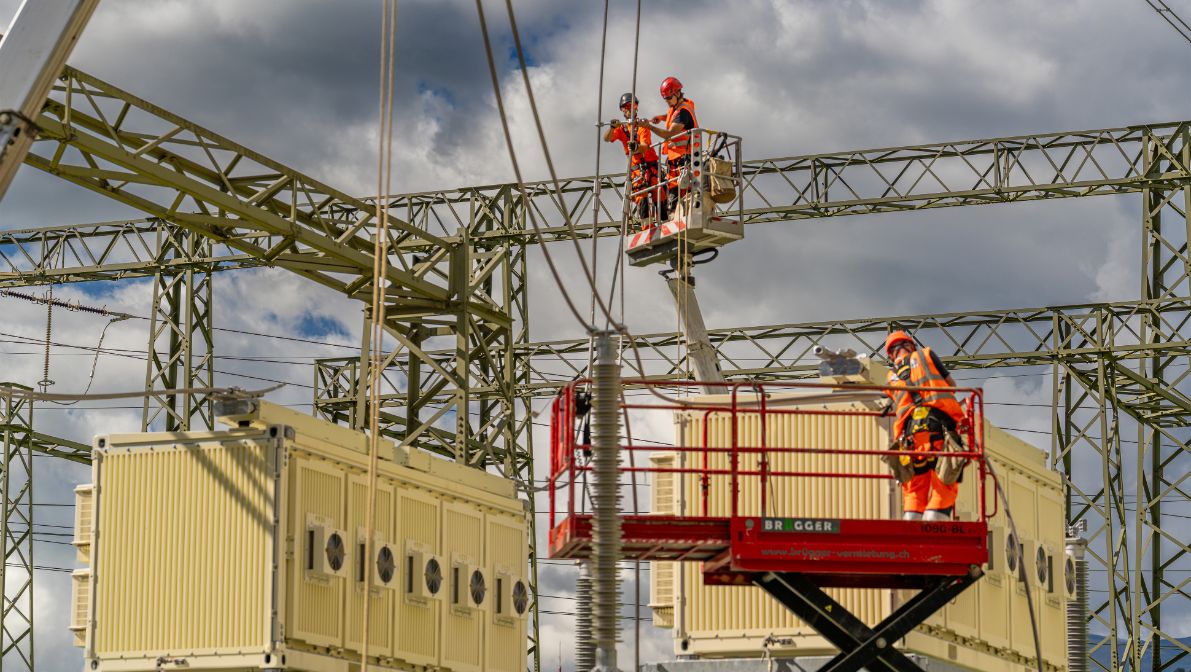
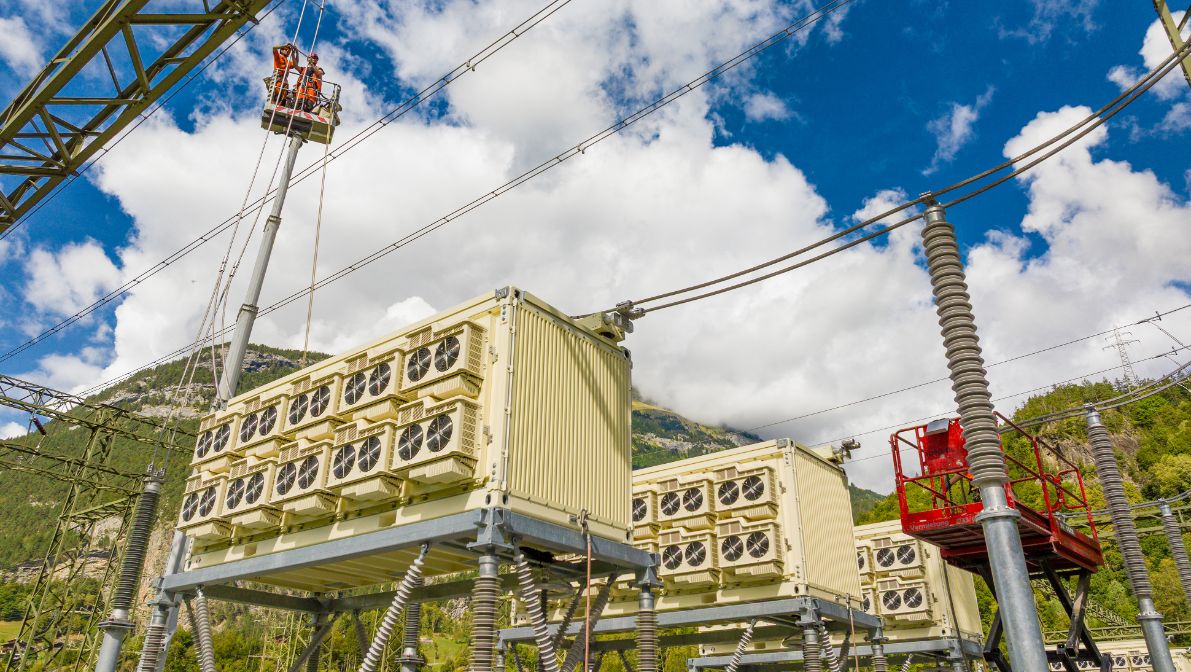
This is precisely where the new system comes in that Swissgrid is deploying for the first time in the Swiss transmission grid. The new Static Synchronous Series Compensator (SSSC) at the Innertkirchen substation helps Swissgrid to manage electricity flows in the grid more flexibly and to utilise the existing grid infrastructure even more efficiently. Does this mean there is a traffic sign for the electricity highway after all?
Ensuring that electricity takes the right route in Innertkirchen
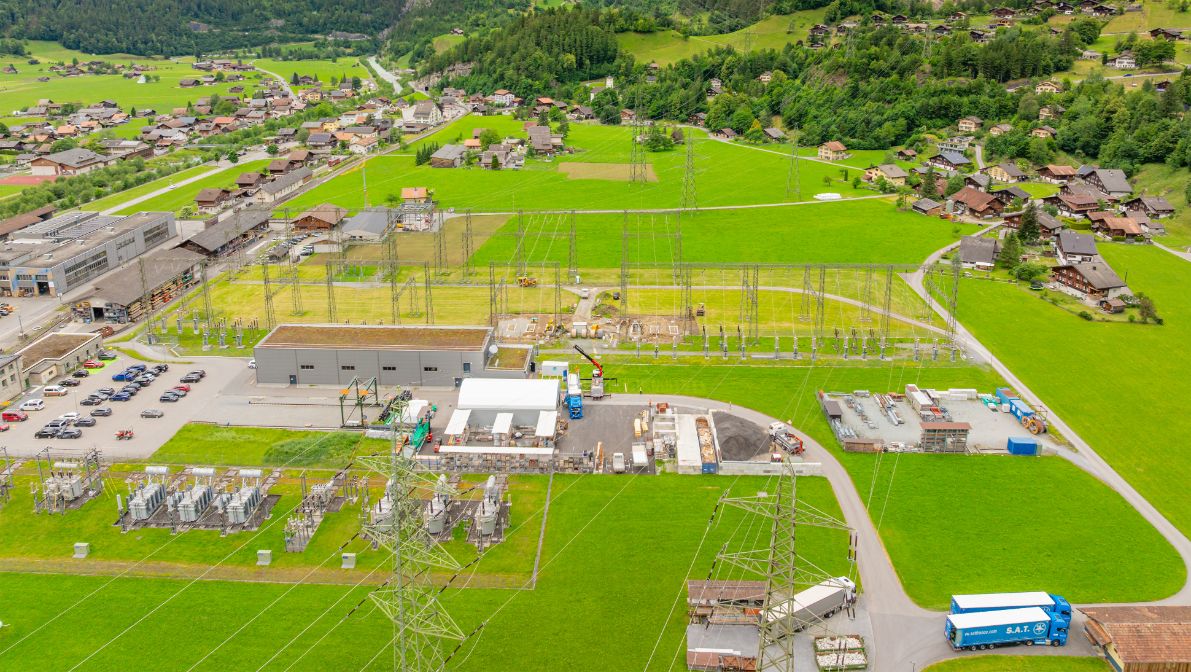
During the summer months, a number of factors converge in Innertkirchen. Firstly, high levels of photovoltaic generation in Europe lead to greater international electricity flows along the north-south axis. Secondly, the reservoirs in the cantons of Bern and Valais generate large volumes of renewable energy from hydropower at this time of year.
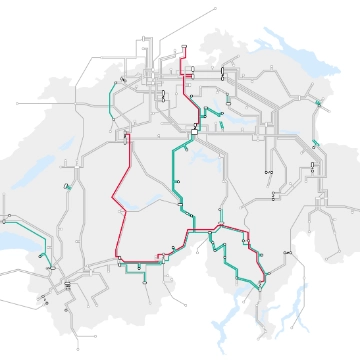
With such high electricity flows, the 220 kV Innertkirchen – Mettlen line may reach its capacity limits. By using the SSSC, Swissgrid can influence the electricity flows on these lines in a more targeted manner. The SSSC increases the impedance (electrical resistance) on the heavily loaded Innertkirchen – Mettlen line. This diverts part of the electricity to the less congested Innertkirchen – Bickigen line. The electricity flows are distributed more evenly across the existing grid. This creates additional capacity both for international energy exchange and for the transport of renewable hydropower from the Bernese Oberland and the Valais.
The new SSSC in Innertkirchen is intended to be used only during a limited period each year. Yet this is exactly what makes it so valuable. The system is put into operation precisely when the grid is under particular strain. This makes it possible to reduce costly redispatch measures. Redispatch means that power plants must be deliberately ramped up or down to prevent individual grid elements from becoming overloaded.
A strong grid needs more than just new technology
The new SSSC in Innertkirchen is representative of a new generation of operating facilities capable of controlling electricity flows more quickly and precisely than many conventional systems. These technologies complement existing solutions, such as phase-shifting transformers, and help to adapt the grid flexibly to the requirements of the energy transition.
However, technological innovations alone are not enough. The energy transition also requires an efficient transmission system. Many lines were built for an energy system that is very different from what is required today. The transformation of the energy system and grid expansion must therefore go hand in hand. To prevent the grids from becoming a bottleneck in the energy transition, faster approval procedures are needed. This is the idea behind the Grid express, which is designed to help speed up the implementation of key grid projects.
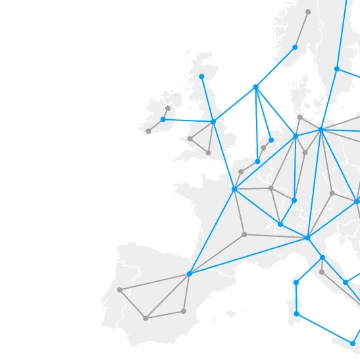
At the same time, grid stability does not end at national borders. The Swiss transmission grid is an integral part of the European interconnected grid. Electricity flows are not determined by political borders, but by the physical characteristics of the entire European electricity system. Close cooperation with European transmission system operators is therefore crucial for secure and efficient grid operations. The electricity agreement will facilitate joint planning and coordination of electricity flows, thereby strengthening security of supply.
The SSSC symbolises the future of the grid: not just more infrastructure, but also more intelligence in the grid. In this way, Swissgrid can ensure that the Swiss transmission grid will remain one of the most secure and reliable in the world.
A toolkit for future power system control