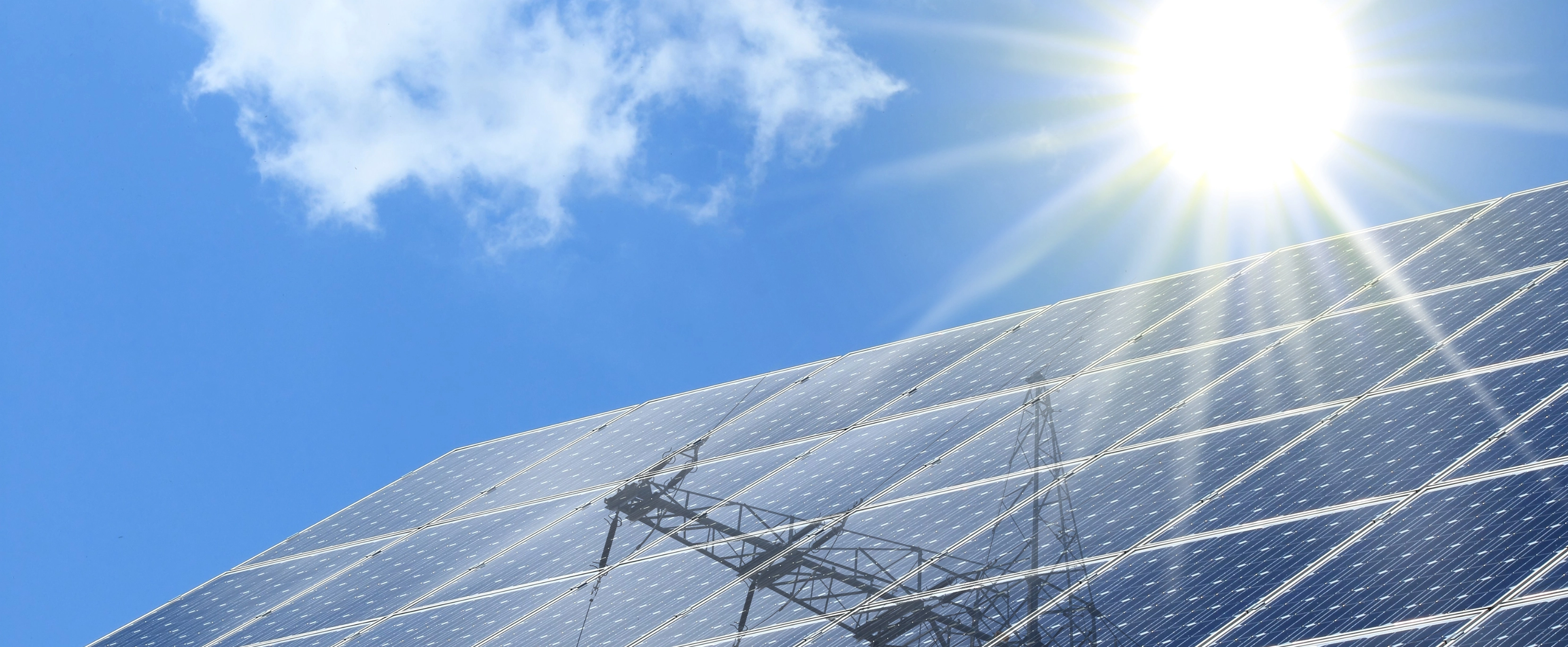
Switzerland is experiencing an unprecedented boom in photovoltaic plants. As a cornerstone of the Energy Strategy 2050, solar energy is expected to eventually reach around 40 gigawatts of installed capacity.
This major transformation of the Swiss energy landscape is changing the operating conditions of the electricity system. It also poses new challenges for the transmission grid, even though no photovoltaic plants are directly connected to the transmission grid operated by Swissgrid.
The «System-Compatible Integration of Photovoltaics» white paper shows that there is no one-size-fits-all solution. Successful integration depends on a coherent set of measures implemented in collaboration with all the players involved. Three of these issues are of particular relevance to Swissgrid:
- Balance between generation and production
- Production forecasts
- Voltage support
These challenges all call for new approaches. We examine three levers that can help stabilise the transmission grid.
1. Remunerating solar plants for balancing the grid
Today, the sale of the electricity generated remains a significant source of income for the owners of photovoltaic plants. However, the simultaneous increase in solar power generation in Switzerland and across Europe is making electricity prices more and more volatile. At certain times of day, when large numbers of plants are generating electricity at the same time, prices can fall sharply or even turn negative.
Consequently, the flexibility not to feed electricity into the grid so that it can be consumed on site or stored is becoming increasingly valuable. A photovoltaic plant fitted with a control system, combined with battery storage, can temporarily adjust its generation or consumption in line with market prices and the needs of the electricity system.
This flexibility can be sold on various markets, including the control energy market. Swissgrid uses control energy to ensure a stable frequency of 50 Hz when there are fluctuations between electricity generation and consumption. Today, most of the control energy used in Switzerland comes from hydroelectric power plants. In future, photovoltaic plants could also make a greater contribution to achieving this objective. A pilot project is currently underway. More information in our blog article: PV4Balancing: solar energy for grid stability.
The challenge is twofold: to strengthen the resources available for secure grid operation while creating new economic opportunities for the owners of photovoltaic plants.
2. Data: the key to forecasting solar power generation
How much electricity are Swiss photovoltaic plants generating right now? At the moment, we often don’t know.
Although the forecasts for solar power generation are constantly improving, they are still largely based on the technical characteristics of the plants and on weather forecasts. However, the lack of production data limits the accuracy of these models.
For Swissgrid, reliable forecasts are essential. They make it possible to anticipate discrepancies between generation and consumption and to reduce the amount of control energy required to correct these imbalances. Greater visibility of photovoltaic generation therefore contributes directly to more efficient operation of the electricity system.
Improving access to data and developing data-sharing platforms will enable all the players in the electricity sector to access more comprehensive and up-to-date information. The creation of a national Energy Data Hub incorporating photovoltaic production data represents a significant step forward.
More accurate data leads to more reliable forecasts. And more reliable forecasts help to reduce the costs associated with balancing the system, which benefits all consumers.
3. Inverters to contribute to voltage maintenance
For a long time, the Swiss electricity system relied on a limited number of large power plants. Today, thousands of decentralised photovoltaic plants feed electricity into the grid. This transformation makes it more difficult to maintain the voltage within a defined range.
If the voltage is too high, it may damage certain electrical equipment. Conversely, a voltage that is too low may jeopardise system stability. Voltage maintenance is therefore crucial to security of supply.
Large power plants naturally help to stabilise the voltage by supplying reactive power. When photovoltaic generation is very high, large hydroelectric power plants stop generating electricity, so it becomes necessary to find new solutions to fulfil this essential function.
Photovoltaic plants can help solve this problem. Thanks to their inverters, they are able to supply or absorb reactive power, thereby playing an active role in maintaining grid stability. However, in order to fully harness this potential, harmonised technical requirements and appropriate settings must be defined in a coordinated manner by all the players in the sector.
The more solar power flows into the grid, the more demanding voltage control becomes – and the more important it is for photovoltaics to contribute to it. Safe grid operation also requires reliable production forecasts. With thousands of solar systems on residential rooftops, this is a challenge for the entire industry. Because solar power is a key part of Switzerland's generation mix, it must be available as balancing energy.
This calls for a change in thinking, above all among system owners: their installation has value even when it is not feeding electricity into the grid. Integrating photovoltaics will only succeed if everyone pulls in the same direction – from the transmission grid to homeowners.
Links
White paper «System-Compatible Integration of Photovoltaics»
Author