
They have now become a regular feature of our summers: traffic updates reporting kilometres of queuing vehicles on the motorway between Switzerland and Italy, ever-longer waiting times and road links under increasing pressure. When a major transport route reaches its limits, the consequences are immediately apparent.
When it comes to electricity, on the other hand, grid congestion can only be tolerated to a very limited extent. If the load becomes too high, the grid switches off automatically. Energy must be able to flow in a secure, reliable and coordinated manner at all times, even across national borders. That’s why electricity exchange between Switzerland and its neighbouring countries is a key part of security of supply.
Energy exchange is crucial
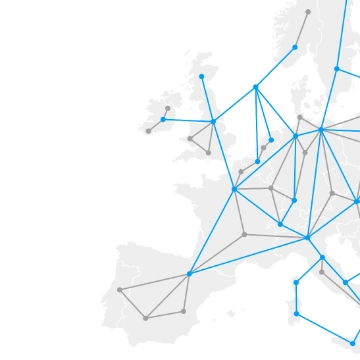
The European electricity system operates as an interconnected system. Every day, electricity is traded between different countries to balance out the differences between generation and consumption and to guarantee a continuous supply to homes, businesses and infrastructure.
Italy has traditionally been one of Europe’s largest net importers of electricity and relies heavily on imports from neighbouring countries, but Switzerland also benefits from this exchange of electricity. In the summer, when hydroelectric generation is high, our country can export electricity abroad. In the winter, however, the reverse tends to be true: domestic electricity generation falls, and Switzerland is reliant on imports to meet some of its own requirements.
This means that international energy exchange is not a one-sided benefit, but a mutual necessity. It contributes to security of supply in all the countries involved and makes the electricity system more flexible and resilient.
What is needed for energy to flow?
Modern, well-maintained infrastructure, reliable grid operation and appropriate framework conditions are required to enable electricity to flow across borders efficiently and securely. Lines with sufficient capacity, coordinated real-time management and rules agreed upon by all countries are essential, as energy and the power market don’t stop at national borders.
Swissgrid plays a key role in the management and development of the transmission system. It monitors the grid 24 hours a day via its national control centre to ensure the balance between generation and consumption and secure, stable operation at all times. At the same time, it is investing in the modernisation and expansion of infrastructure to bring it into line with the needs of an ever-evolving energy system.
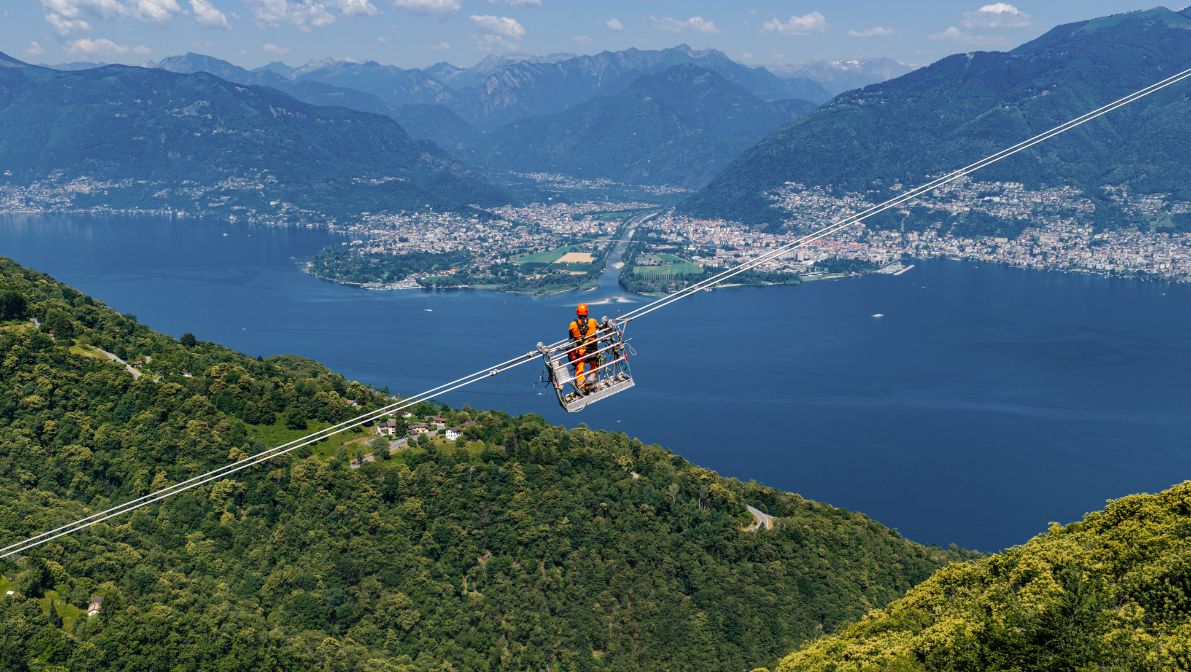
Lavorgo – Musignano: vital work to ensure a reliable grid
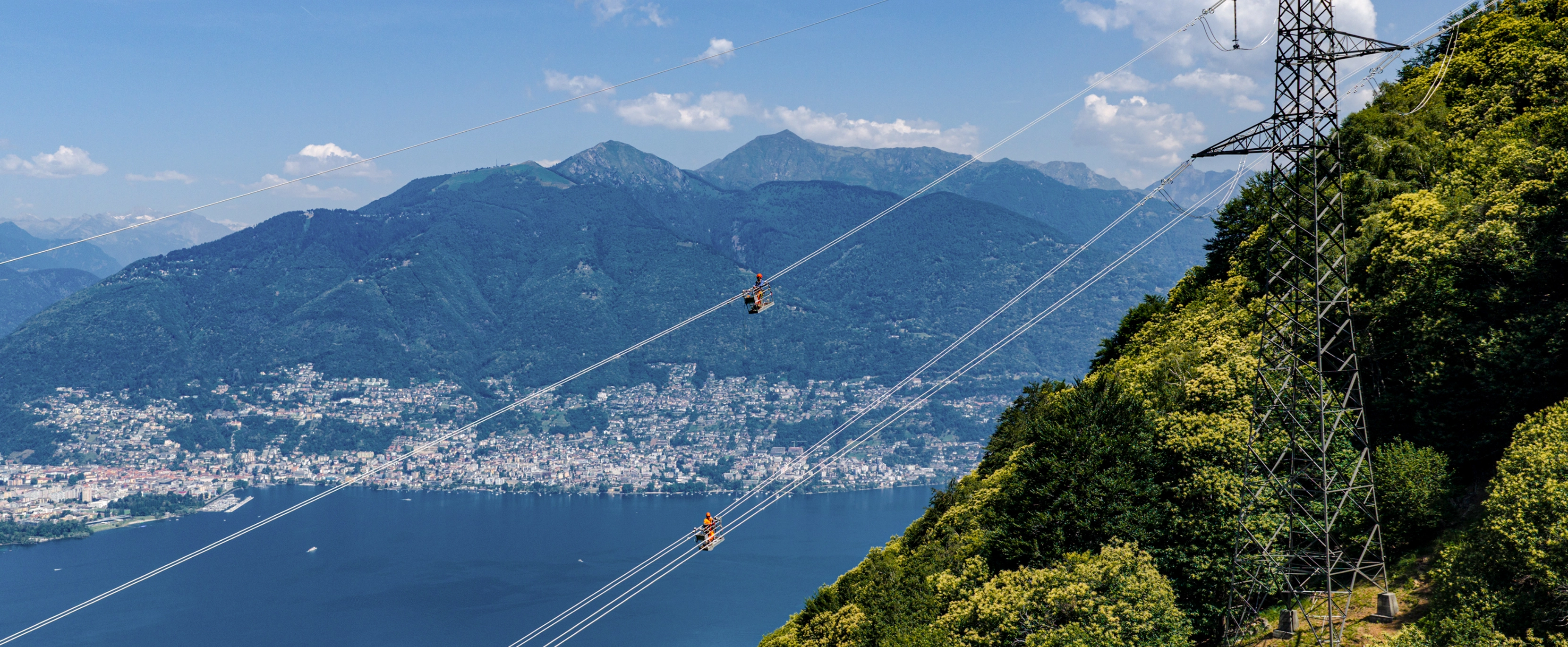
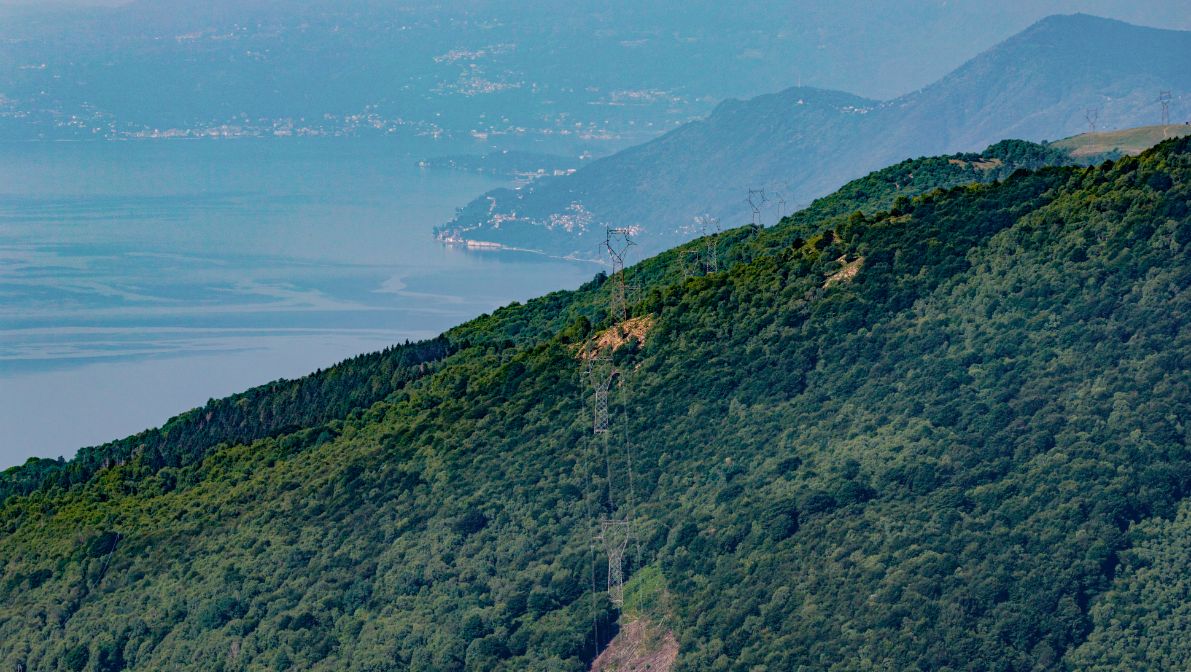
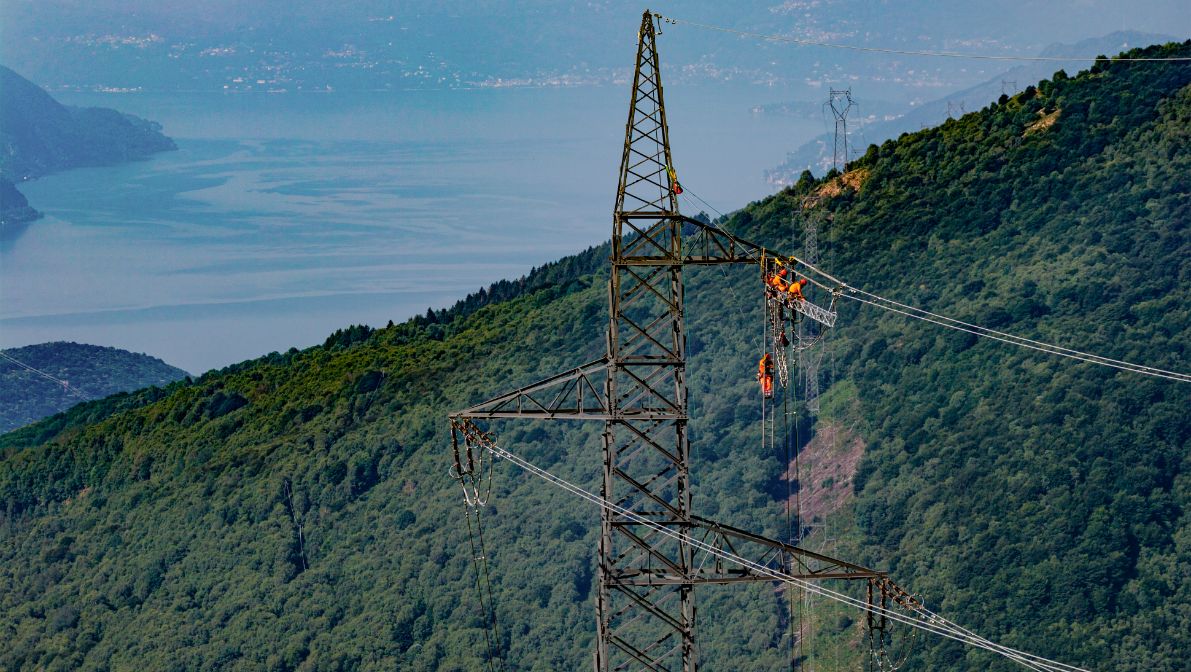
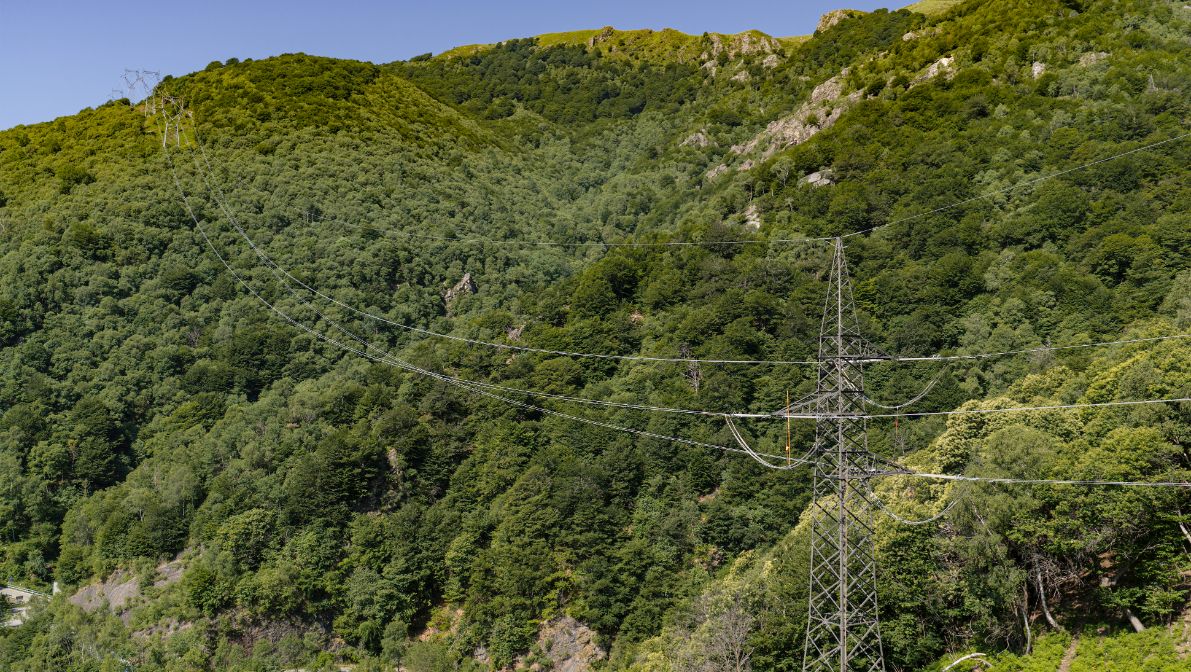
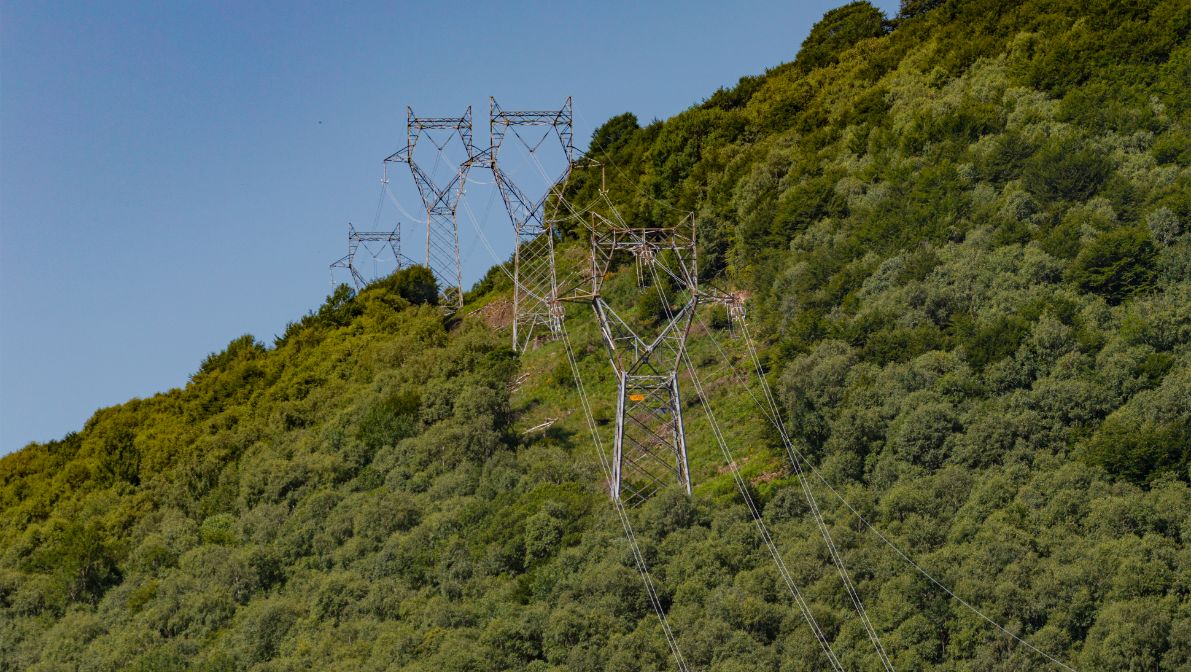
One specific example is the renovation work on the extra-high-voltage line between Lavorgo and Musignano, one of the strategic links between Switzerland and Italy. Last June, the insulators on 25 pylons and the spacers on 24 spans were replaced, and 50 supports were protected against corrosion using special anti-rust paint. The project, which was coordinated and planned approximately 3 years in advance, involved up to 65 site workers, 4 contractors, a specialist inspection firm and 2 engineering firms responsible for technical and environmental planning. The work was carried out both on the plains and in the mountains, at altitudes ranging from a minimum of 200 to a maximum of 1,300 metres above sea level at pylon number 1990x169. As part of the work, a surface area of around 18,000 m² was cleaned and painted, and 170 ceramic insulators were replaced with silicone insulators.
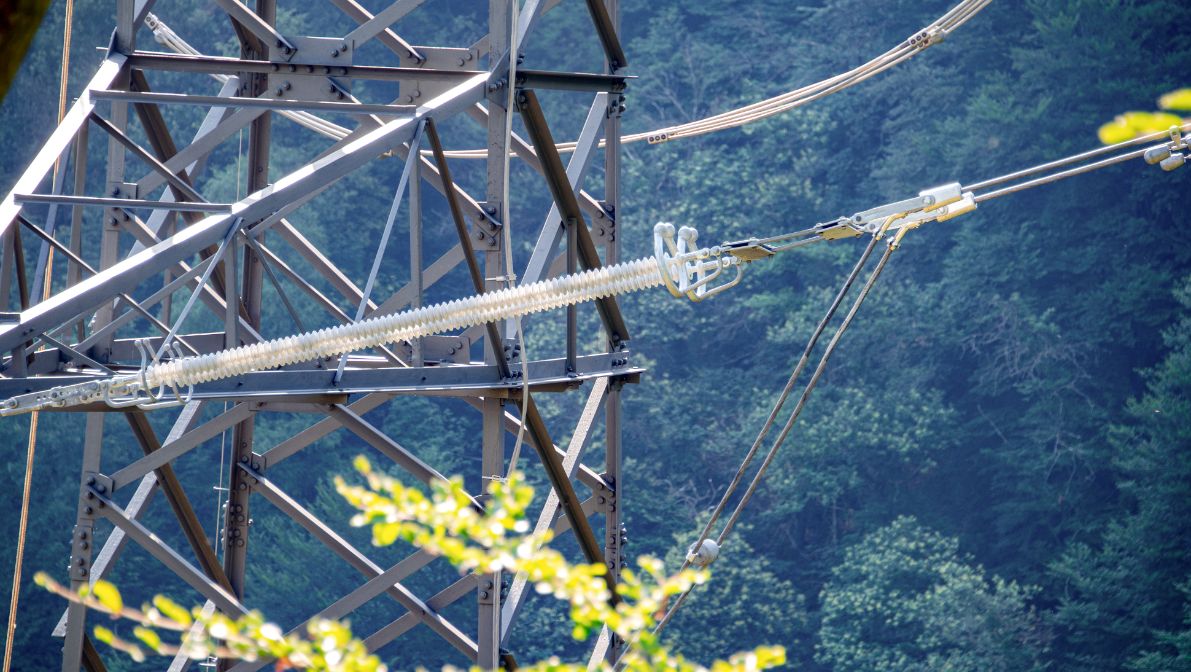
Performing work on an international line of this importance requires careful preparation. The work must be planned in close collaboration with the grid operators in neighbouring countries, taking cross-border flows into account and guaranteeing the security of the electricity system at all times.
The operational organisation is also complex, as suitable time windows must be identified, numerous different parties coordinated, and the impact on grid operations minimised. For this reason, maintenance and renovation work is planned well in advance and, in this case, coordinated between the national grid operators of the countries concerned. In addition, the fact that power lines are often situated at high altitudes adds to the complexity of operations.
This work is often not very visible to the general public, but it is essential so that electricity can continue to flow reliably.
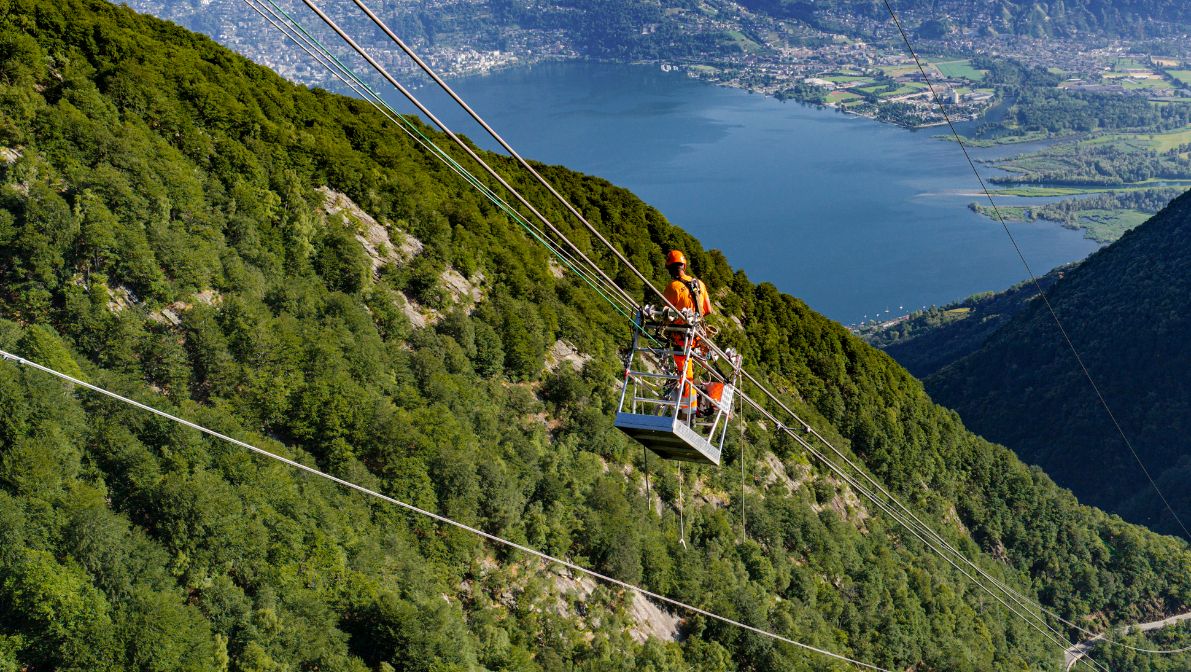
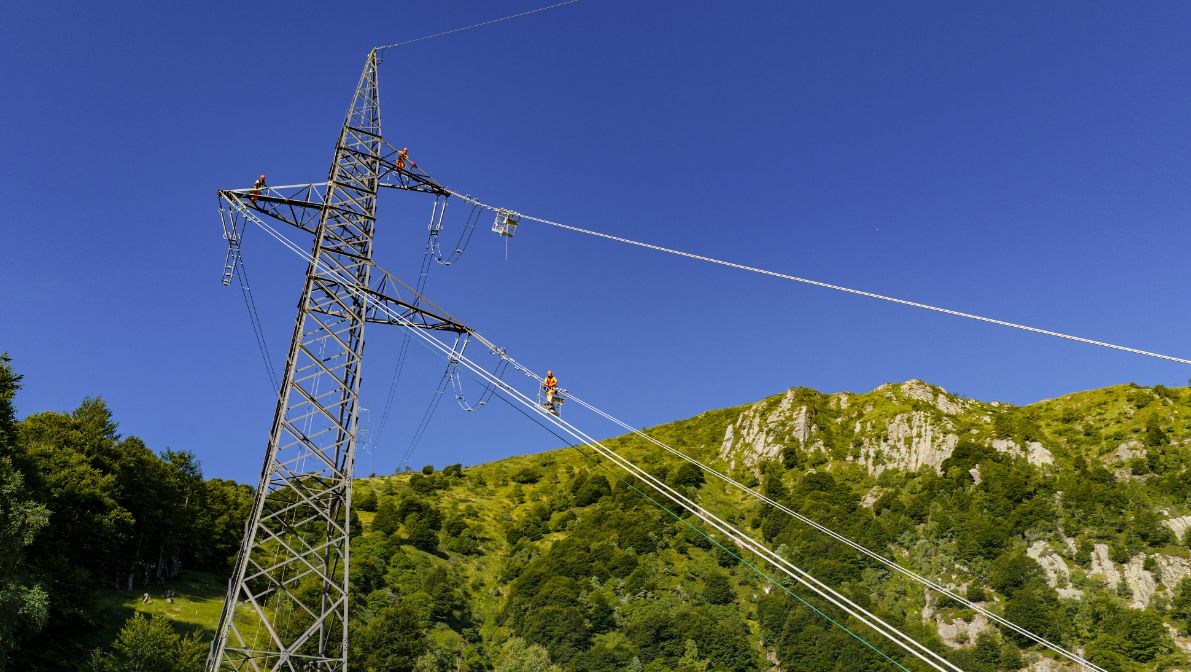
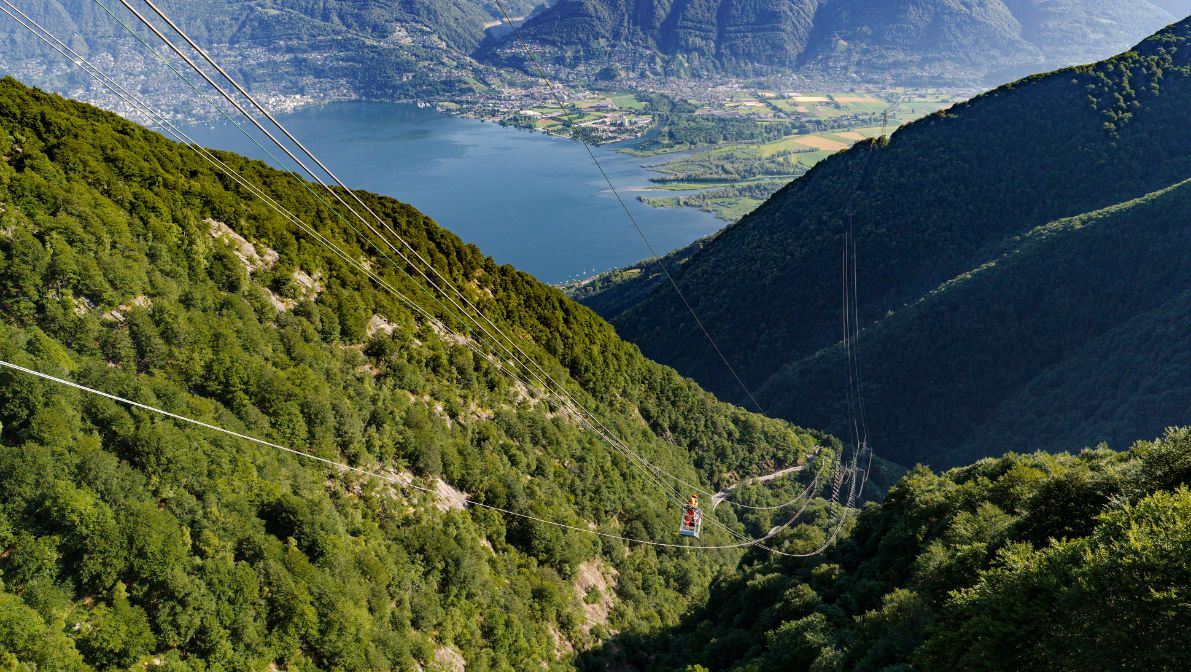
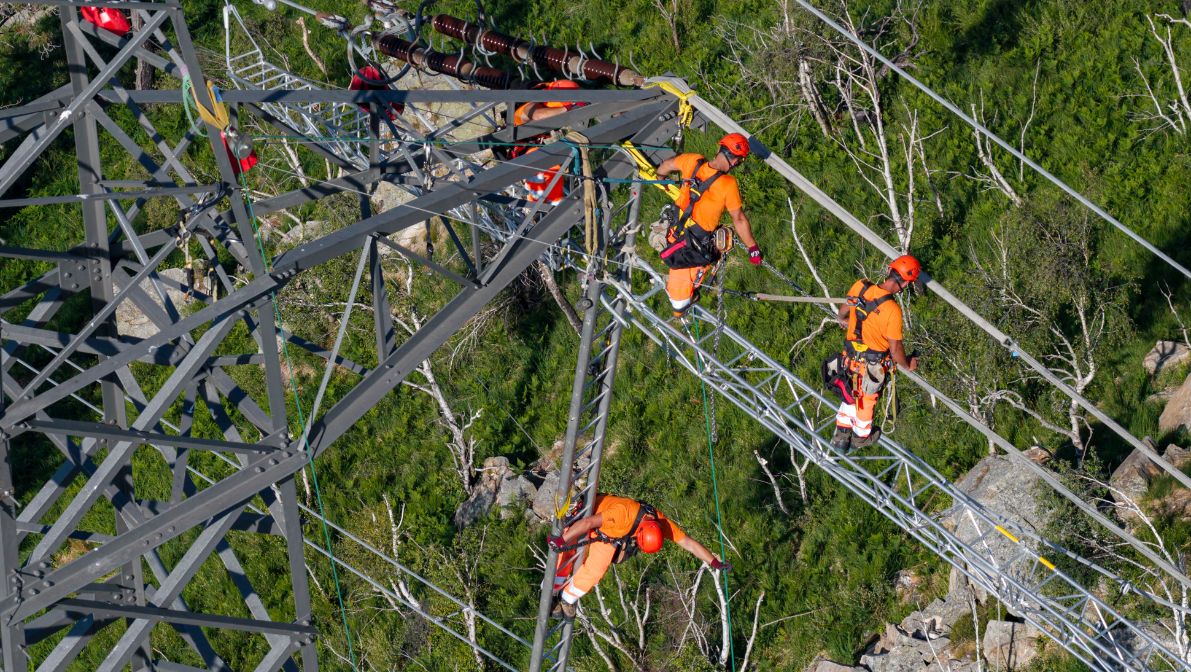
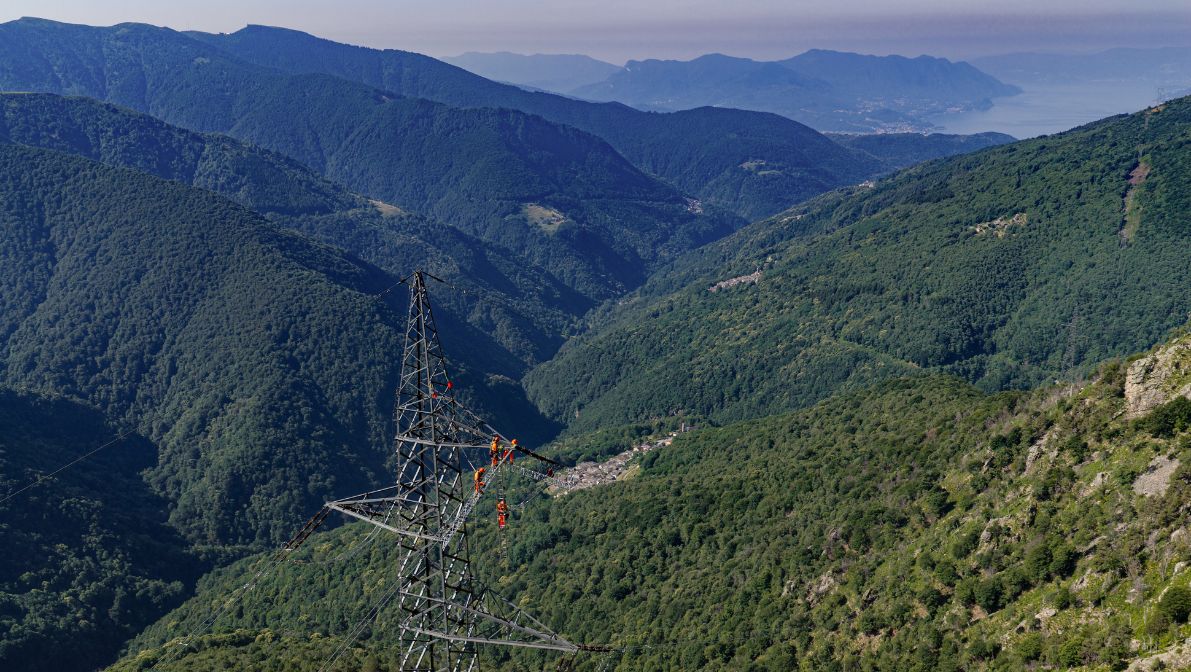
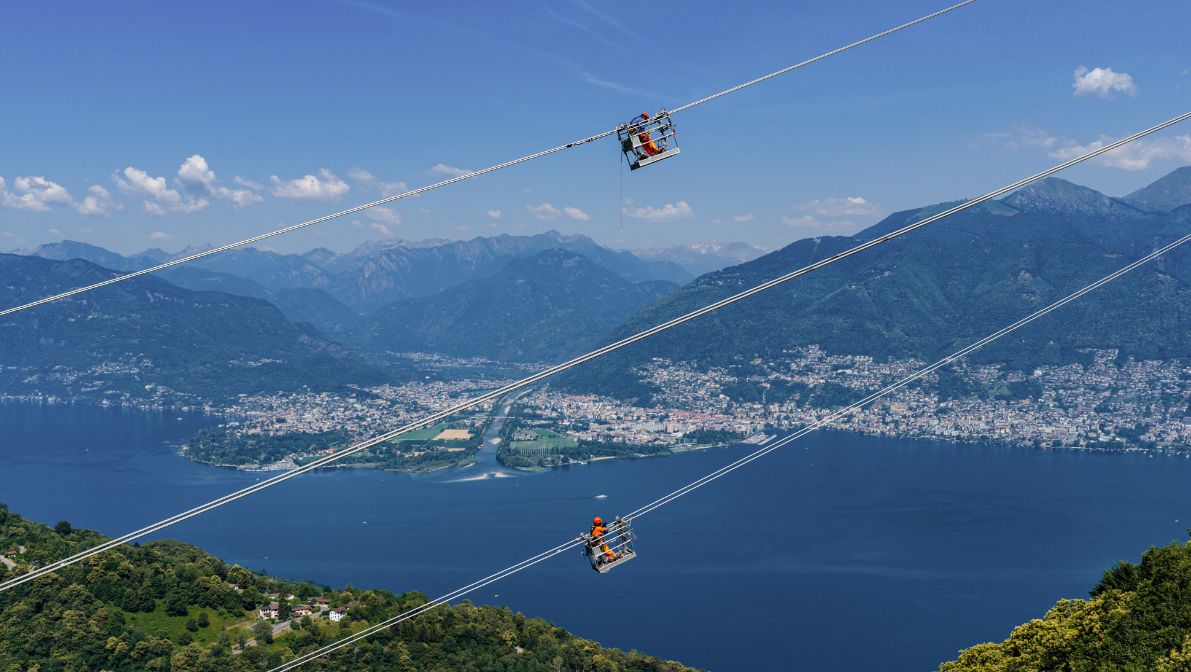
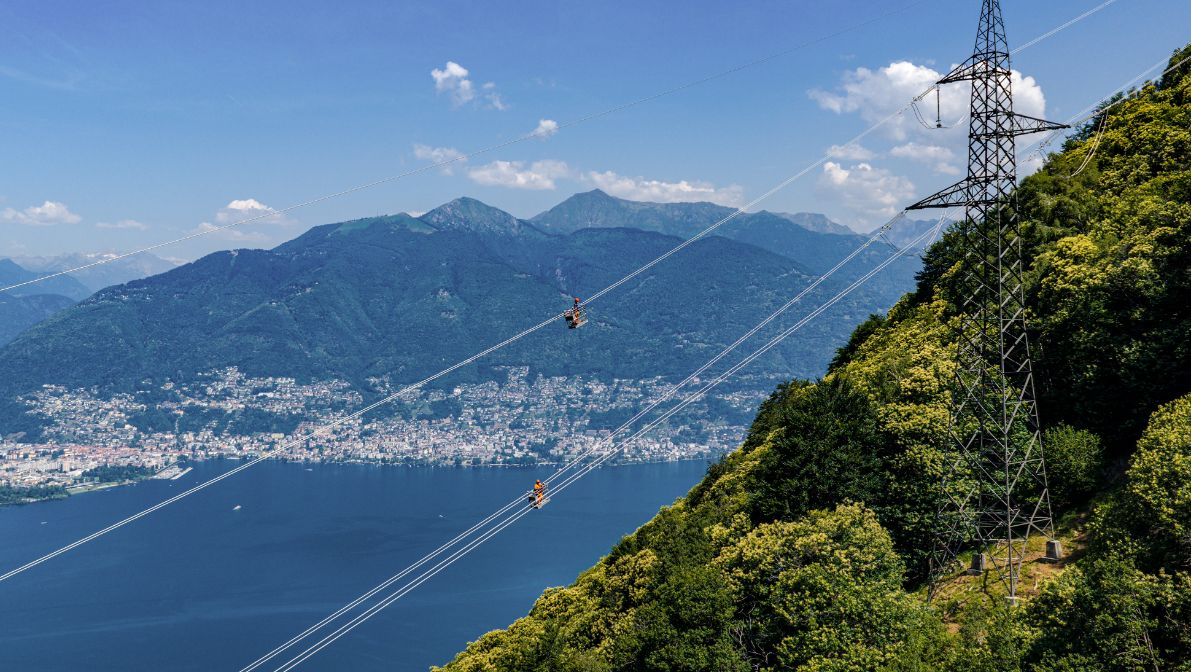
The renovation work in pictures
Framework conditions for the future
Modern infrastructure and forward-thinking grid management are fundamental, but on their own, they are not enough to ensure efficient and secure electricity exchanges with neighbouring countries in the long term.
A stable framework of rules and institutional cooperation with neighbouring countries and the European Union is also needed. This is the only way to ensure that Switzerland can continue to play an effective role in the European electricity system and contribute to regional security of supply. An agreement with the European Union is vital for this purpose.
In an increasingly interconnected electricity system, energy must be able to flow along its own «motorways» unhindered. That’s because unlike when traffic jams form on the Gotthard Pass, when it comes to electricity, we can’t afford to let a queue build up.
Author