
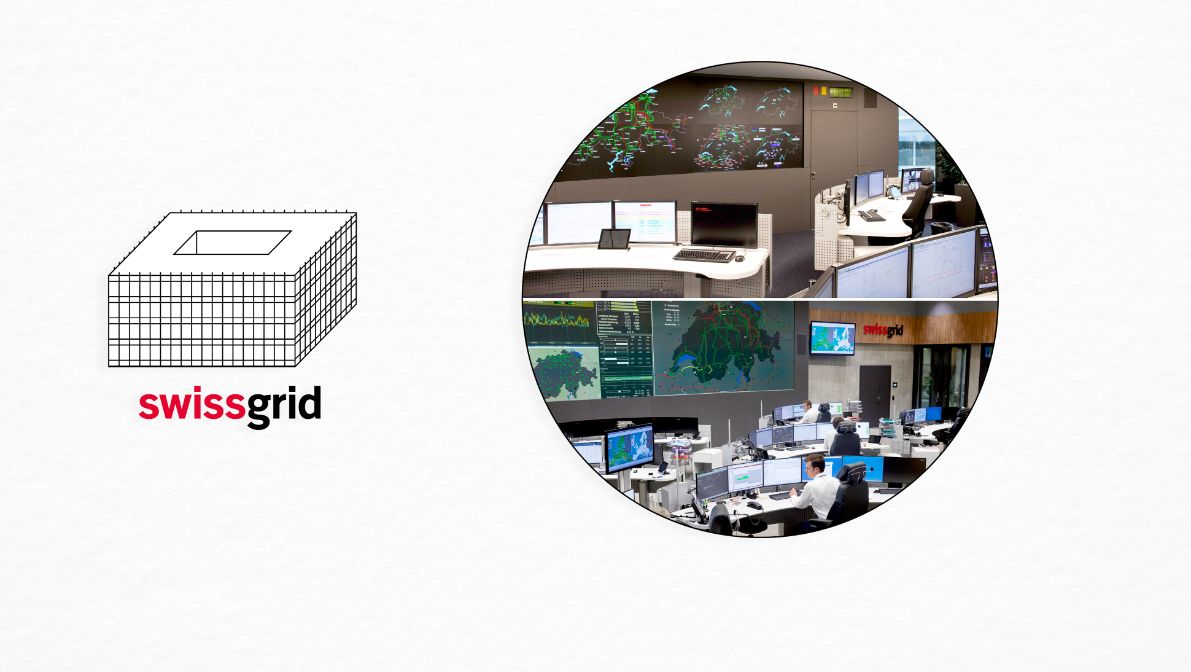
The electricity price is made up of different components. Consumers pay not only for the electricity supplied, but also for its transport, among other things. As the national grid company, Swissgrid is responsible for part of the path followed by electricity. It is the owner of the Swiss extra-high-voltage grid and ensures a properly functioning and secure infrastructure, as well as the operation of the transmission system.
Swissgrid operates in a regulated environment. Its mandate is governed by the Electricity Supply Act (ESA) and the Electricity Supply Ordinance (ESO). The ordinance also specifies how Swissgrid may cover the costs of its services using tariffs.
What is the electricity price composed of? How much do end consumers pay for Swissgrid’s services? How are Swissgrid tariffs calculated? And how have they developed in recent years? An overview.
One electricity price – several components
Roughly speaking, the electricity price is made up of three components. The energy rate covers the costs of the electrical energy used by electricity consumers. These costs are charged to them by their energy supplier.
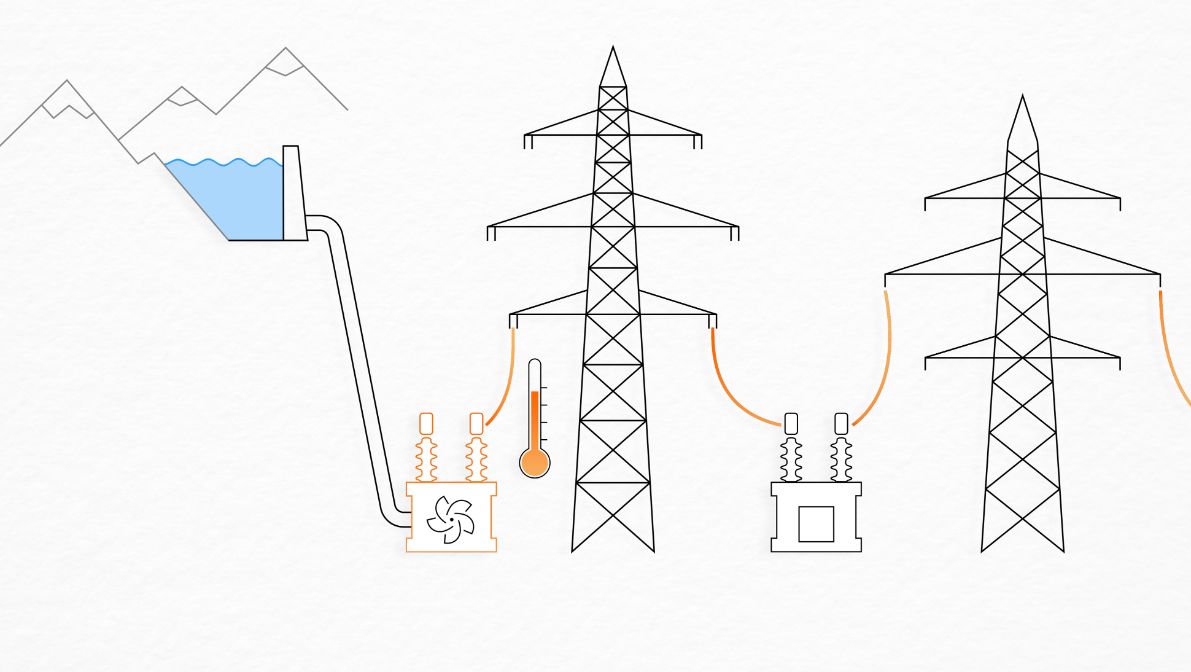
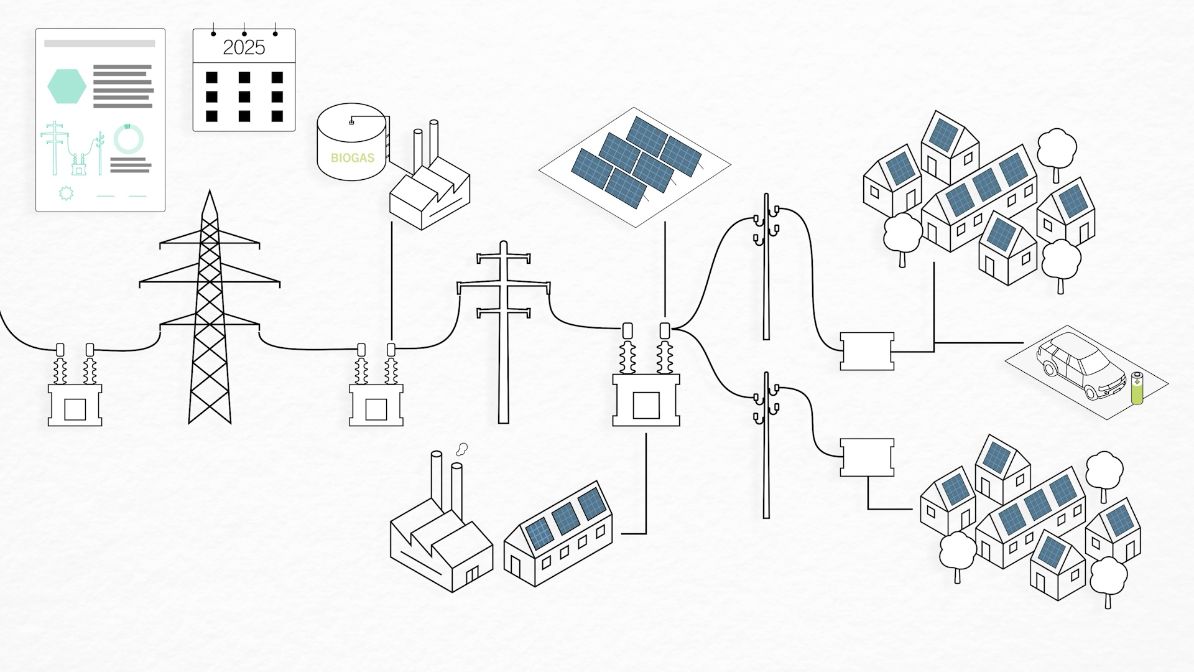
The costs of transporting and distributing the electricity from the power plant to homes or companies are covered by the grid usage tariff. This includes the costs for the construction, operation and maintenance of the grids. These costs are incurred by the distribution system operators (lower grid levels: high, medium and low voltage) and by Swissgrid (highest grid level: extra high voltage). The costs for the ancillary services, which Swissgrid requires in order to operate the grid safely and efficiently, are also covered.
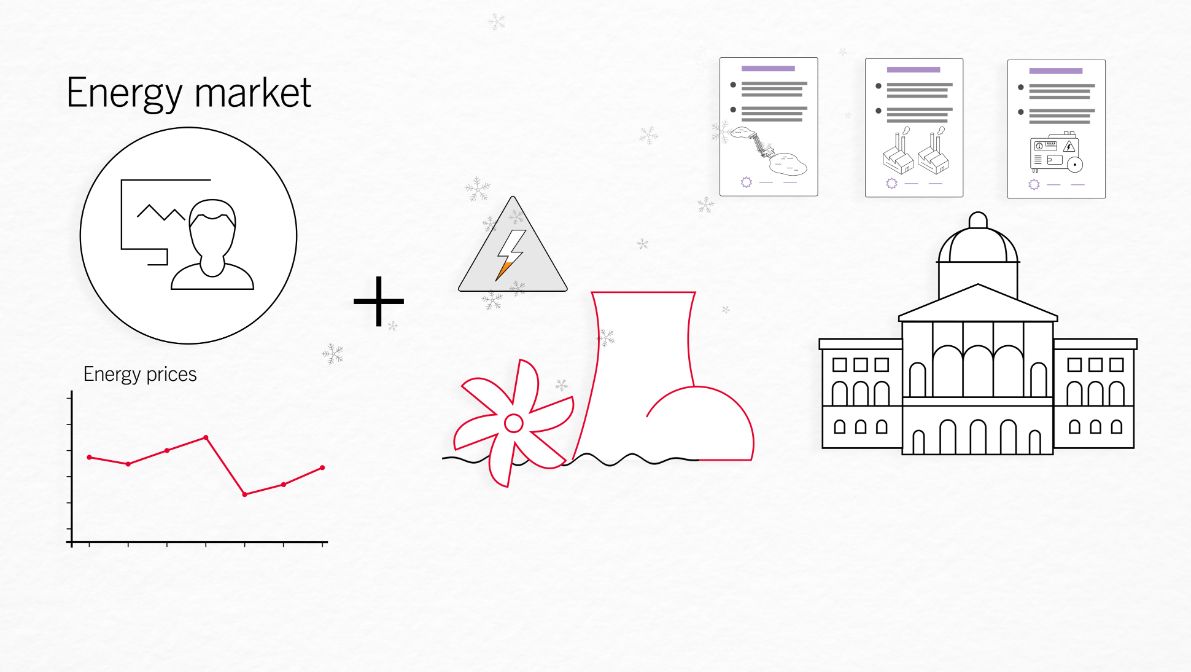
Since 2024, the «power reserve» tariff has been included in the electricity price. This covers the costs of the measures taken by the federal government to increase the security of supply in winter. These measures include the hydropower reserve. According to the Electricity Supply Ordinance (ESO), these costs must be charged via Swissgrid.
In 2026, further costs referred to as «solidarised costs» were also added. This surcharge is used to finance the necessary grid enhancements in the lower grid levels and to implement the four-year state aid for the steel and aluminium industry decided on by the Swiss Parliament.
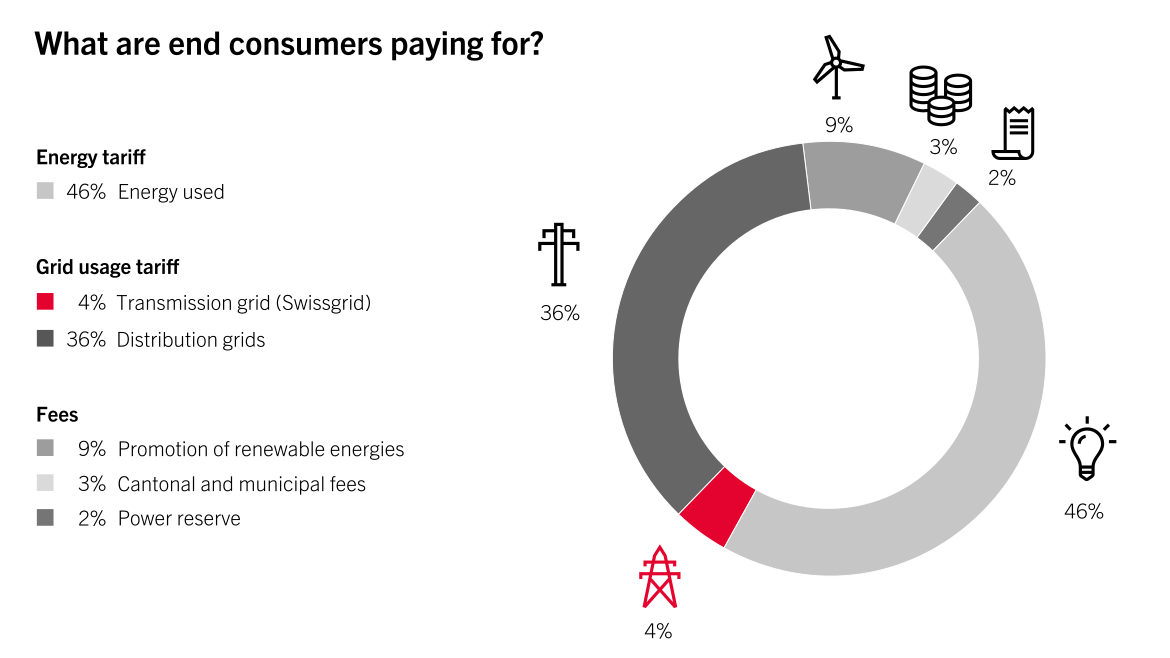
The average cost per kWh of electricity is around 27 cents in 2026. Energy accounts for around 46 percent of the electricity price, and transport and distribution around 41 percent. Together, the various fees represent around 12 percent of the electricity price. The costs for the measures taken to increase security of supply in winter make up around 1 percent of the price.
Of the total electricity price paid by end consumers, the costs for Swissgrid’s transmission system amount to just under 5 percent on average. A Swiss household like the one described will therefore pay about 64 Swiss francs in 2026. The costs for the power reserve amount to around CHF 18 and for the solidarised costs around CHF 2. The overall price of Swissgrid’s services will go down in 2027.
Various electricity prices in Switzerland
Swissgrid charges its tariffs, which are standardised throughout Switzerland, to the distribution system operators and end consumers directly connected to the transmission system. End consumers therefore do not receive a bill directly from Swissgrid. Swissgrid’s costs are included in the distribution system operators’ bills. They are shown as grid usage tariffs, either separately or cumulated, along with the distribution system operators’ grid costs. The grid usage tariff can vary depending on the region. For example, the topology of the supply region influences the level of expenditure for the expansion and maintenance of each distribution system.
The energy tariff also varies depending on the region; some energy suppliers own power plants and supply their customers with electricity they produce themselves, while others buy electricity on the market or from an upstream supplier. The energy tariffs are completely independent of Swissgrid’s tariffs.
How the tariffs for the Swiss transmission grid are created
Swissgrid charges various tariffs to cover its costs: three tariffs for grid usage, one tariff for general ancillary services and two tariffs for individual ancillary services. The structure of the tariffs is precisely stipulated in the Electricity Supply Ordinance (ESO).
In 2024, additional costs were billed via Swissgrid for the first time. These costs are incurred for the measures taken by the federal government to increase the security of supply in winter. Since 2026, Swissgrid has charged additional costs not incurred by Swissgrid itself (for grid enhancements in the distribution grids and temporary state aid for the steel and aluminium industry).
Swissgrid must announce the tariffs for the following year by the end of March each year. Therefore, tariffs are calculated on the basis of assumptions about expected costs and revenues. In its calculations, Swissgrid relies, among other things, on the price trends forecast for the international power markets.
The development of Swissgrid tariffs
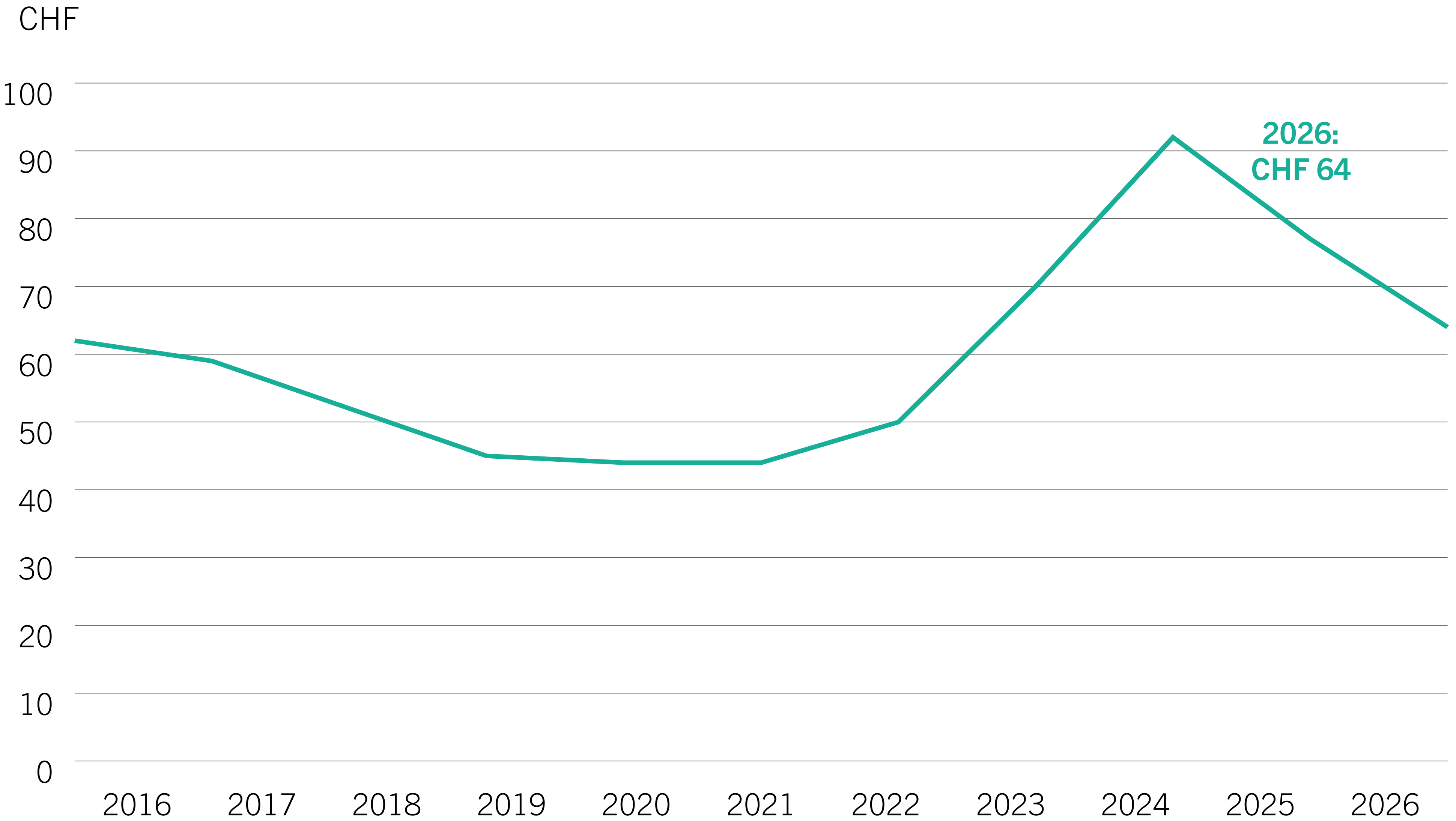
Swissgrid’s tariffs have shown mixed trends in recent years. Tariffs for grid usage, for example, have not changed much. The development of these tariffs is less dependent on exogenous factors.
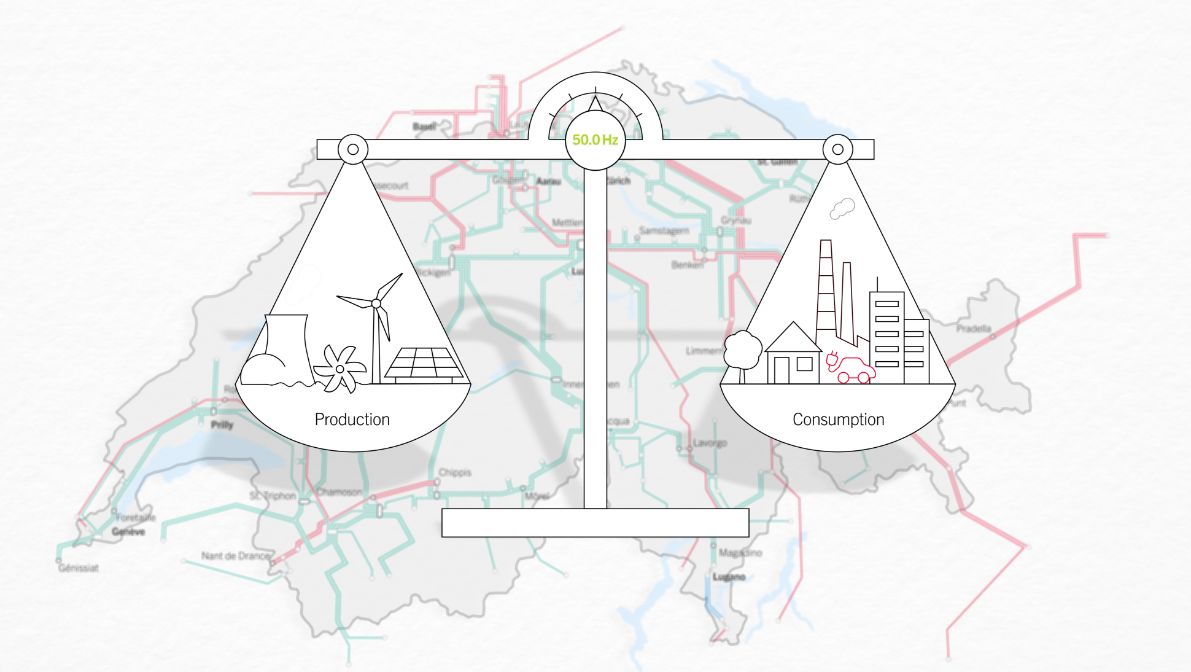
The tariff for general ancillary services is largely determined by price trends on the international power markets. The reason for this is as follows: the largest share of the costs is attributable to the procurement of control reserves, which Swissgrid uses to ensure the secure and stable operation of the grid. Swissgrid procures this power on control power markets, as it is not allowed to own power plants. In order to increase liquidity and competition in the market, Swissgrid has introduced market-based procurement mechanisms and continuously expanded its product range.
The same development can be seen in relation to the tariff for individual ancillary services – the tariff for active power loss. Swissgrid must also procure the electrical energy to compensate for active power losses, which occur during the transport of electricity, for example, on the power market. Swissgrid has developed a procurement strategy to counteract the volatility of electricity prices. For example, services are procured in individual tranches and sometimes far in advance.
Swissgrid is firmly committed to keeping the financial burden on electricity consumers as low as possible.
Who monitors the tariffs?
In 2008, the Electricity Supply Act (ESA) came into force, creating the conditions for the development of a competitive electricity market in Switzerland. One requirement was the ‘demerger’: the separation of generation, transmission, distribution and the end-user business. This act and the associated Electricity Supply Ordinance (ESO) thus also created the legal basis for Swissgrid, which is responsible for the transmission of electricity and therefore the extra-high-voltage grid. The transmission system is a natural monopoly. This prevents the infrastructure from having to be built several times by competing companies.
As the owner of the extra-high-voltage grid, Swissgrid thus operates in a highly regulated environment. As an independent state regulatory authority in the electricity sector, the Swiss Federal Electricity Commission (ElCom) monitors compliance with the Electricity Supply Act (ESA). Among other things, ElCom acts as a «price monitor»; it monitors the tariffs of Swissgrid and the distribution system operators and can adjust them.
More information on Swissgrid’s regulatory business model.